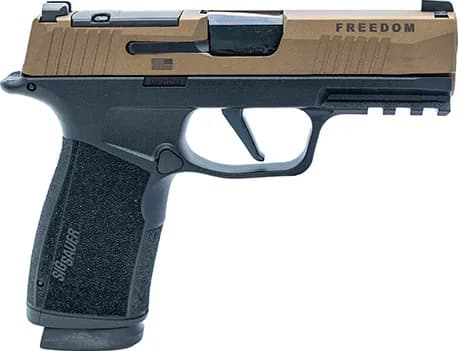
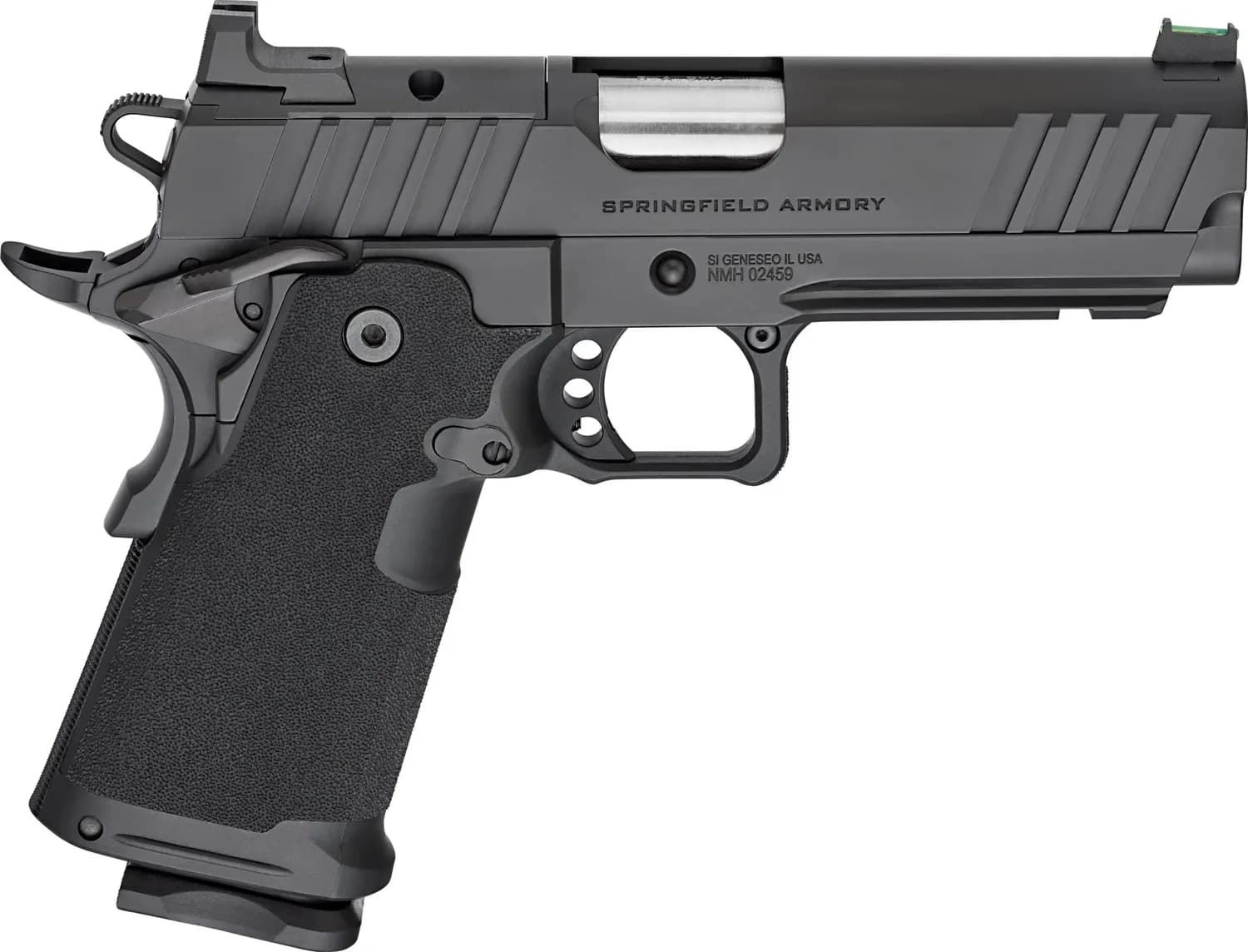
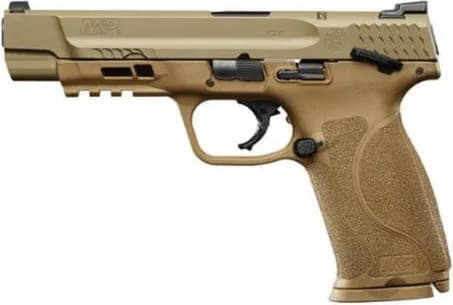
Who This Comparison Is Really For
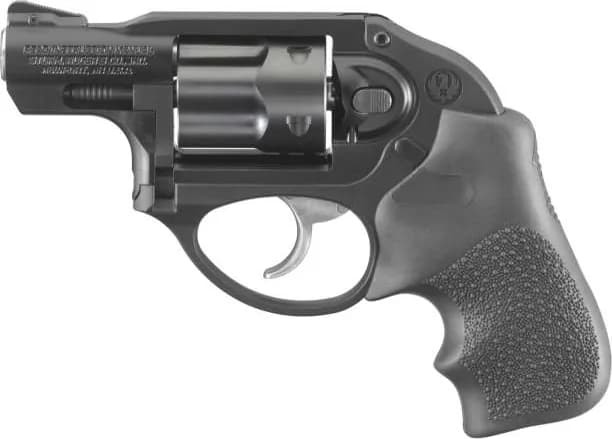
This comparison is for shoppers who want an enclosed-hammer lightweight revolver and are deciding between the Smith & Wesson Model 642 and Ruger LCR. It is the right matchup when you already know you want a compact defensive revolver for discreet carry, but still need to compare which execution looks more convincing once the dimensions, weight, and price are lined up directly.
It is especially useful because both revolvers sit near the center of the modern lightweight snub nose conversation. This is not a broad cross-category decision. It is a close comparison between two carry-focused revolvers that solve the same problem in slightly different ways.
Key Tradeoffs Between Smith & Wesson Model 642 and Ruger LCR
The main tradeoff in this matchup is classic Airweight-style simplicity versus a competing modern lightweight revolver design. The Smith & Wesson Model 642 tends to appeal to buyers who want the familiar J-frame style defensive revolver, while the Ruger LCR attracts shoppers who want a modern alternative aimed at the same practical carry role.
That means the spec table should drive the decision. Weight, barrel length, overall dimensions, action details, and grip-related differences are usually the rows that matter most because this category leaves very little margin for extra bulk or carry discomfort. Small differences can have an outsized effect when the whole point is easy day-to-day concealment.
Current offers also matter. Since this page includes updated pricing and current offers, shoppers should compare the actual live prices instead of assuming one well-known name automatically represents the better deal. When two revolvers live in the same narrow role, the better current price can become a decisive advantage.
Bottom Line For A Shortlist
Keep the Smith & Wesson Model 642 on your shortlist if you want a classic lightweight defensive revolver with strong familiarity in this category. Keep the Ruger LCR in the mix if you want a modern competitor serving the same concealed-carry job and prefer to make the final call through the exact specs and current offers shown on the page.
The better fit depends on how you weigh traditional carry-revolver familiarity, design feel, concealability, and current price.