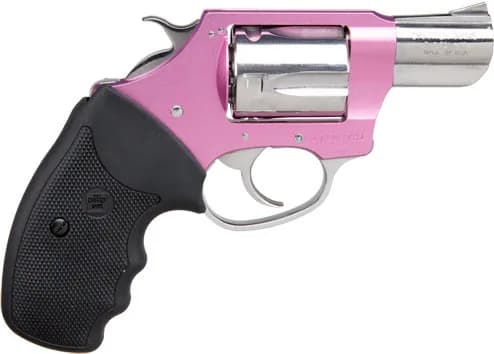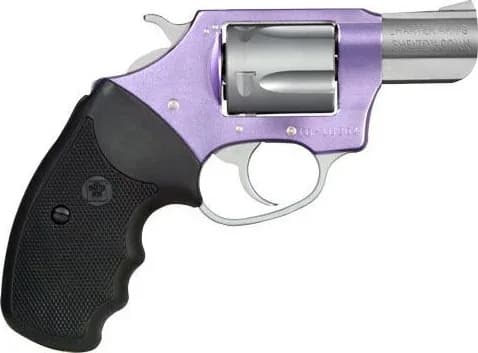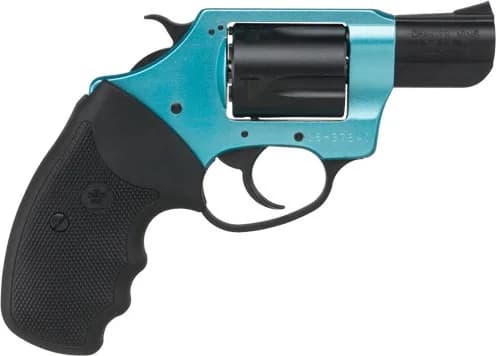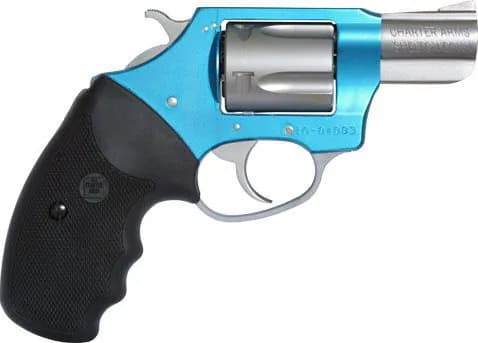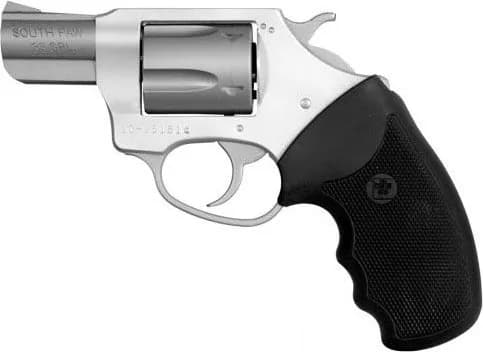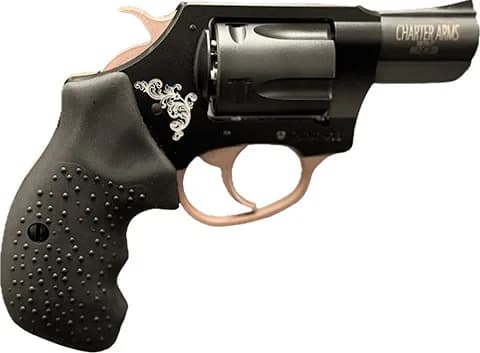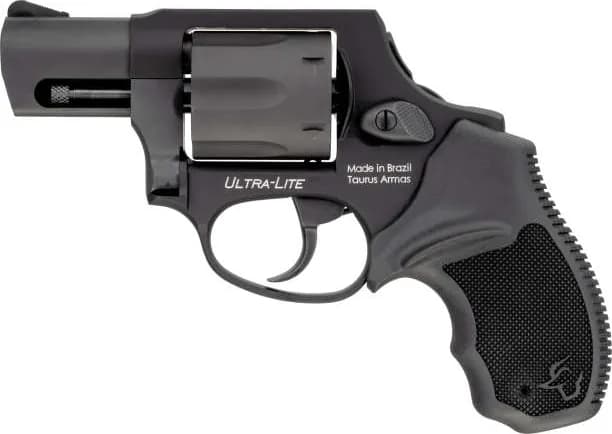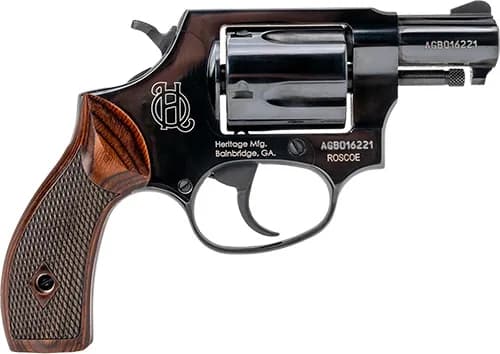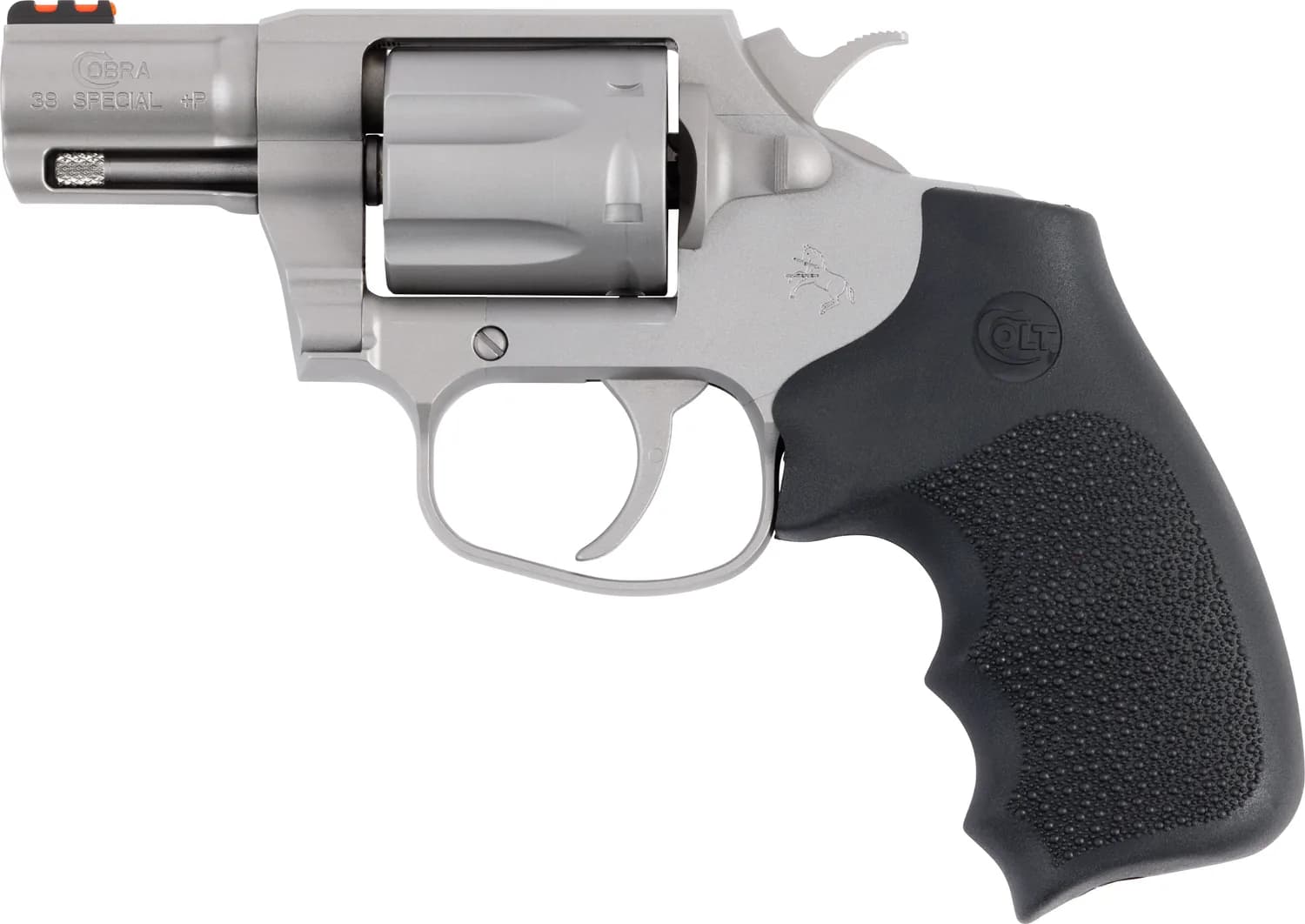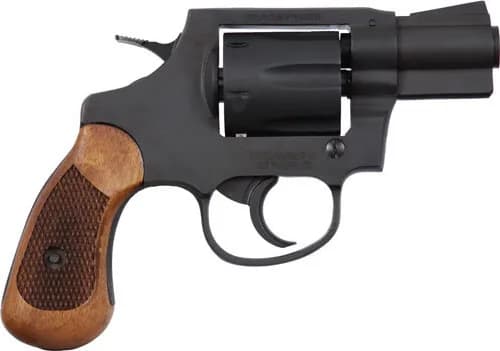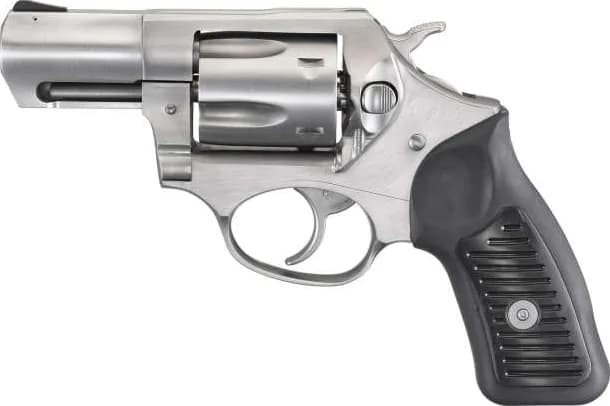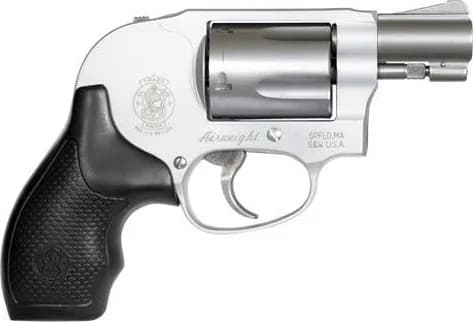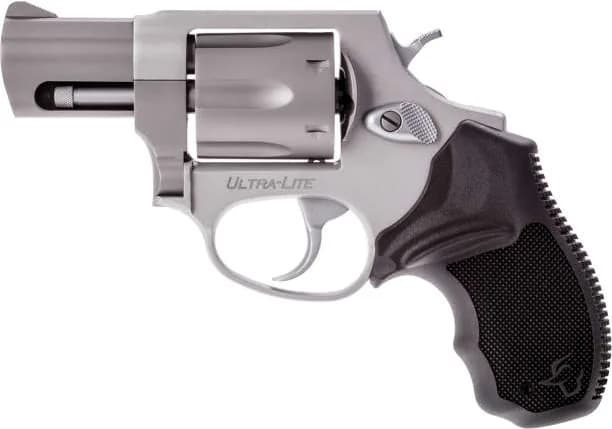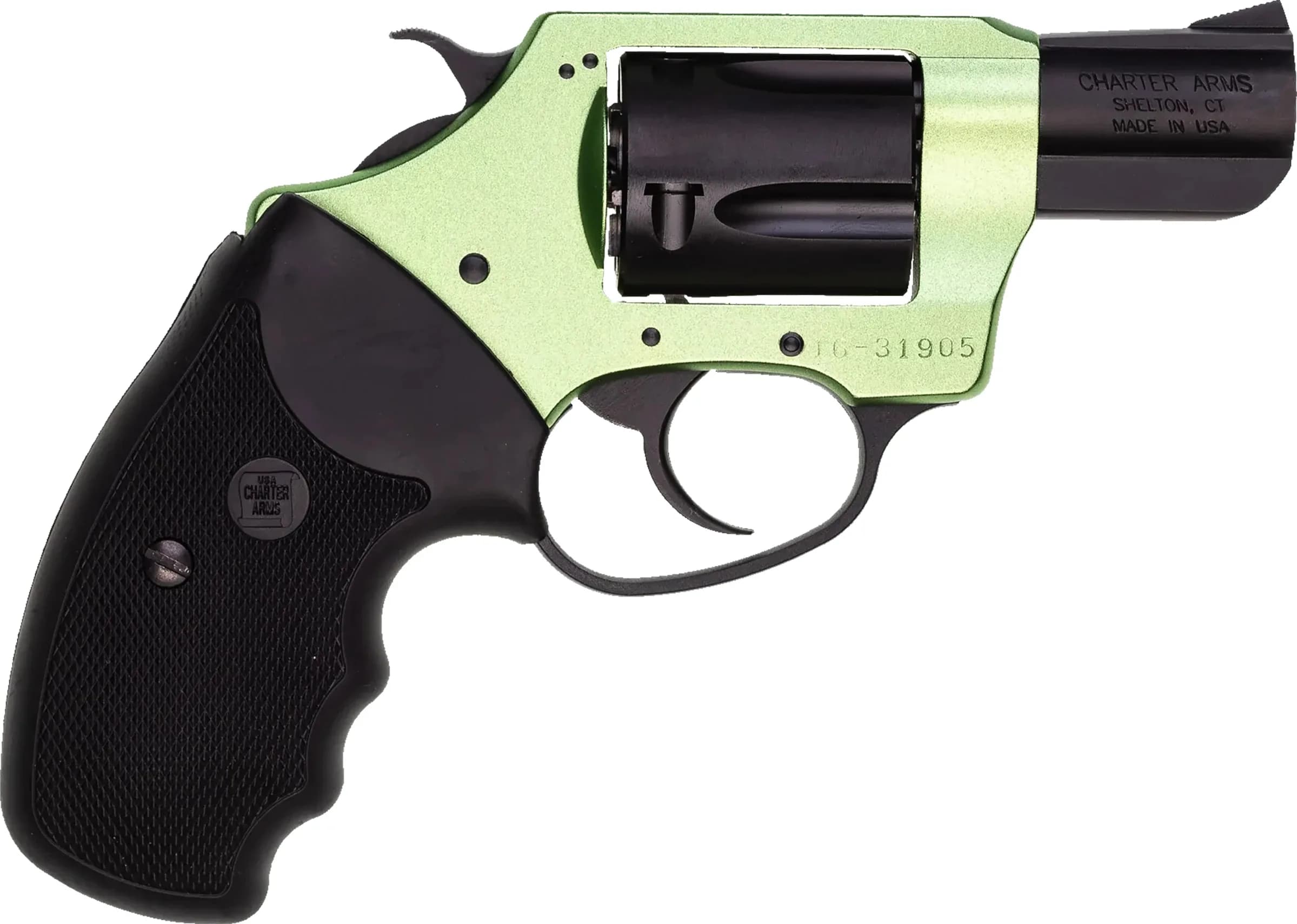
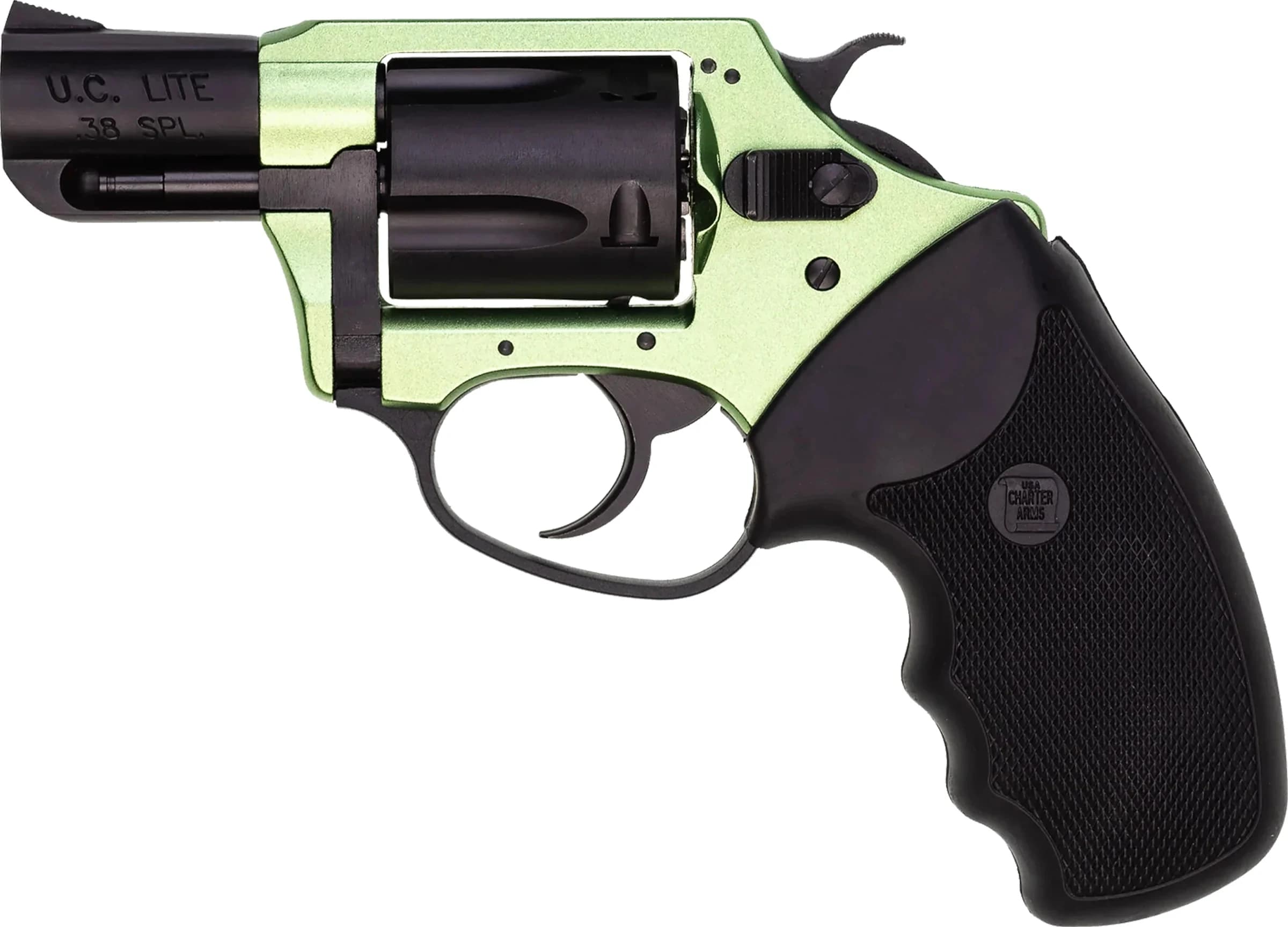
Spurred Hammer, Shrouded Ejector Rod, 3-Point Cylinder Lock-up
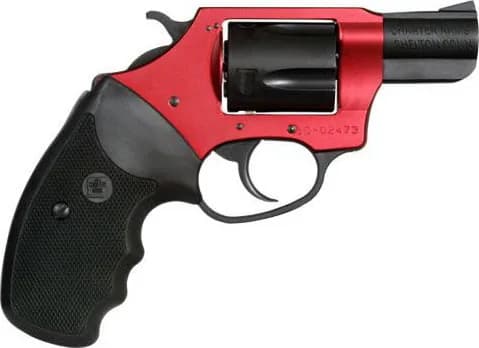
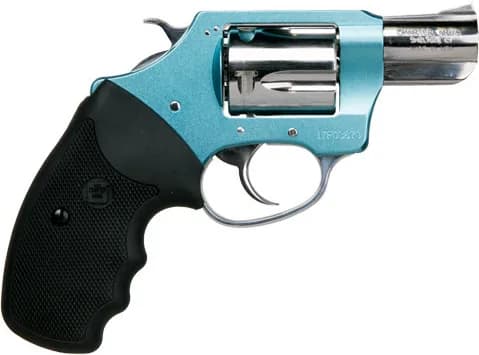
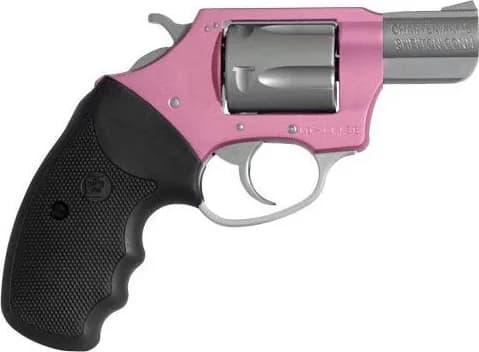
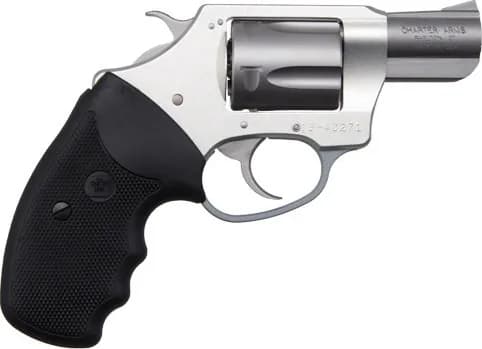
The Charter Arms Undercover traces its lineage to the firm’s earliest pocket-revolver designs, and the Undercover Lite is the modern, lightweight expression of that concept. The original Undercover was introduced in the 1960s as Charter’s snub-nose .38 intended for plainclothes officers and civilians needing discreet defensive carry, and Charter has periodically refreshed that platform across generations. The Undercover Lite — a 2‑inch, five‑shot alloy‑frame iteration — was developed to deliver the familiar snub revolver package in an ultralight, highly concealable form, and the company has marketed a wide palette of finishes and themed colorways (including a Shamrock color variant) as part of the Undercover Lite family. State handgun rosters and dealer inventories list the Shamrock finish as one of the factory options for the Undercover Lite line.
Charter’s modern revival and expansion of the Undercover family in the 2000s included a push toward lighter alloys, colorful finishes and small-run variants aimed at a broader concealed‑carry market. Company and dealer coverage from recent years shows the Undercover Lite occupying that product niche — a deliberately compact, low‑mass revolver designed to trade some shootability for maximum ease of carry and minimal printing.
Mechanically the Undercover Lite follows well‑established snub‑revolver engineering. It is a five‑round, double‑action revolver with a 2‑inch barrel and fixed sights; the frame is a high‑strength aluminum alloy (Charter uses 7075‑series aluminum for similar lite models) while working parts such as barrel and cylinder are stainless steel. That mix keeps unloaded weight down — the Undercover Lite family is commonly quoted at about 12 ounces — while leaving the pressure‑bearing components in steel. Published specifications for the Lite family show a compact overall length in the mid‑6‑inch range and the trim dimensions buyers expect in a pocket or minimal‑holster carry pistol.
Charter’s small‑frame revolvers incorporate several distinctive defensive‑oriented features. The Undercover Lite shares the company’s transfer‑bar/hammer‑block safety architecture and a three‑point cylinder lockup, and many models use an integral or shrouded ejector‑rod/underlug to keep the assembly compact and protected. The frame geometry and a spurred hammer allow either double‑action trigger work for fast follow‑up shots or single‑action cocking for more deliberate aiming, giving users two practical modes of operation on a tiny platform. These design choices favor reliability and safety in pocket carry, though they also reflect the compromises inherent in any very small, very light revolver.
Ergonomically the Undercover Lite pairs a short grip frame with wraparound rubberized grip panels; the profile is deliberately small to aid concealment, but many owners note that the thicker, finger‑grooved rubber grips used on some Lite models help get three support fingers on the gun and reduce perceived recoil. Fixed sights are durable and snag‑resistant, but they limit sighting precision compared with taller, adjustable sight setups.
On paper a 2‑inch .38 Special revolver has obvious ballistics and aiming limits, and real‑world testing and owner reports reflect that reality. Charter’s internal testing and company commentary emphasize the platform’s defensive role: short‑range accuracy (typical self‑defense engagement distances) and reliable ignition under adverse conditions are the priority, not sub‑MOA groups at 25 yards. Independent measurements and reviewer notes for the charter lite family show a stout double‑action pull and the expected “snappy” recoil impulse when firing .38 Special — particularly with +P loads — because the light aluminum frame has less mass to absorb recoil energy. The American Rifleman coverage of a left‑hand mirrored Undercover Lite variant reported a measured double‑action pull in the neighborhood of ten pounds on that sample and noted a 12‑ounce feel and trim dimensions typical of the series.
Range and forum reports from users align with those findings. Many shooters praise the Undercover Lite’s compactness and ease of carry while characterizing accuracy as entirely acceptable for a defensive revolver at typical engagement ranges; groups that would be poor for a full‑size revolver are adequate inside defensive distances. Recoil and muzzle flip are commonly described as sharp but manageable if the shooter uses appropriate loads and gets a solid grip — swapping to heavier, more ergonomic grip slabs or using lower‑power defensive ammunition reduces muzzle rise and improves follow‑up speed. As with most pocket‑sized snubs, there is a tradeoff: lightweight carry convenience versus muzzle impulse and sight radius. Owners also report routine reliability for mainstream .38 Special loads, while commenting that, as with any brand, individual experiences can vary and occasional break‑in or minor adjustments at the gunsmith may be needed.
Durability expectations on Undercover Lite models are framed by the materials choices: 7075 aluminum frames with stainless steel barrels and cylinders give strong service life for defensive use so long as the revolver is maintained and abused minimally. Charter’s safety systems and simple internal geometry help make routine reliability likely, but users and some reviewers caution that the little frame will not soak up recoil the way heavier steel revolvers do; for heavy +P magnum‑grade use, a larger, heavier platform remains preferable.
The Undercover Lite is tuned for concealed defensive carry. Its natural strengths are minimal weight, small footprint and a simple, rugged action that is easy to operate under stress. For owners who prioritize concealment in warm weather or who require a backup or off‑duty option that disappears in a purse or pocket, the Undercover Lite family performs well. The gun’s fixed sights, five‑round capacity and mix of DA/SA operation make it a straightforward point‑and‑shoot defensive tool rather than a precision range pistol.
Notable limitations are the platform’s recoil characteristics and short sight radius, which constrain accuracy and make rapid, accurate follow‑ups more challenging than on heavier revolvers or most striker‑fired semi‑autos. Likewise, a snub revolver’s five‑round capacity and slower reloads relative to magazines mean users must weigh magazine capacity and reload speed against concealability and simplicity when selecting a primary defensive tool. Finally, while the Undercover Lite handles standard and many +P .38 loads well, the tiny frame is not a substitute for larger, heavier revolvers when extended hard use or high‑power magnum calibers are required.
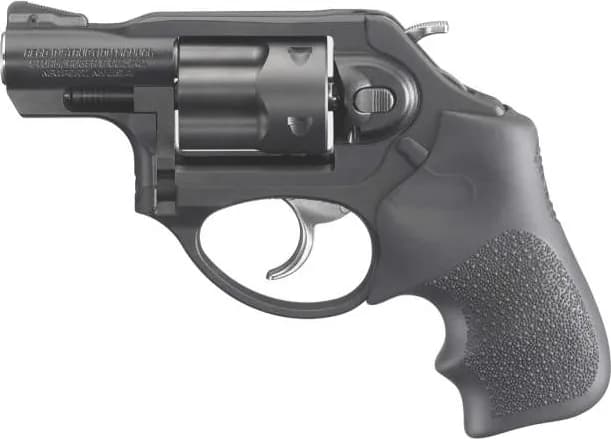
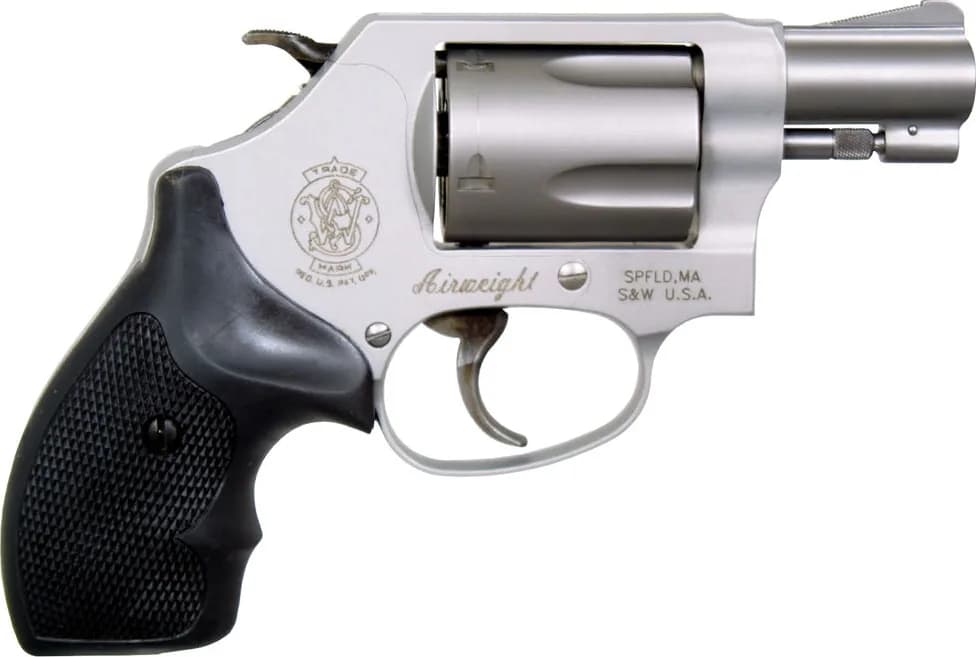
Charter Arms positions the Undercover Lite as an accessible, American‑made pocket revolver that emphasizes low weight and user‑friendly safety features at an approachable price point. In the marketplace it competes with other small revolvers (Smith & Wesson J‑frame models, Ruger LCR family and budget alternatives) and low‑cost compact semi‑automatic pistols. Buyers compare the Lite favorably for carry comfort, distinctive finishes and simple, proven mechanical design; critics and some aftermarket observers point to variability in fit‑and‑finish across different Charter models and note that heavier J‑frames and polymer‑framed revolvers will generally shoot softer. Owner communities commonly view the Undercover Lite as a sensible value for those prioritizing concealment and simplicity, while suggesting that shooters who want the softest shooting snub should consider slightly heavier options.
For shoppers weighing options, the Undercover Lite family — including colorway variants such as the Shamrock finish — offers a recognizable, compact revolver built around a longstanding defensive concept. Its combination of aluminum frame, small footprint, Charter’s safety features and the option of colorful, factory‑finished variants gives it a distinct place on dealer shelves: not the most forgiving shooter’s revolver, but a practical and honest tool for concealed carry when users accept the tradeoffs inherent to very light, short‑barreled snub revolvers.
Start with a practical guide if you want a faster way to narrow the field before comparing specific models.
Learn how to find a reliable handgun under $500 without wasting money or compromising on quality.
Read guideComparison-focused shoppersA practical guide to comparing handguns the right way: what actually matters, what to ignore, and how to use comparison tools effectively.
Read guideFirst-time buyersLearn how to choose your first handgun by focusing on size, comfort, ease of use, and budget instead of getting lost in unnecessary details.
Read guide