Affiliate disclosure: HandgunCloud may earn a commission if you continue to the retailer and complete a purchase.
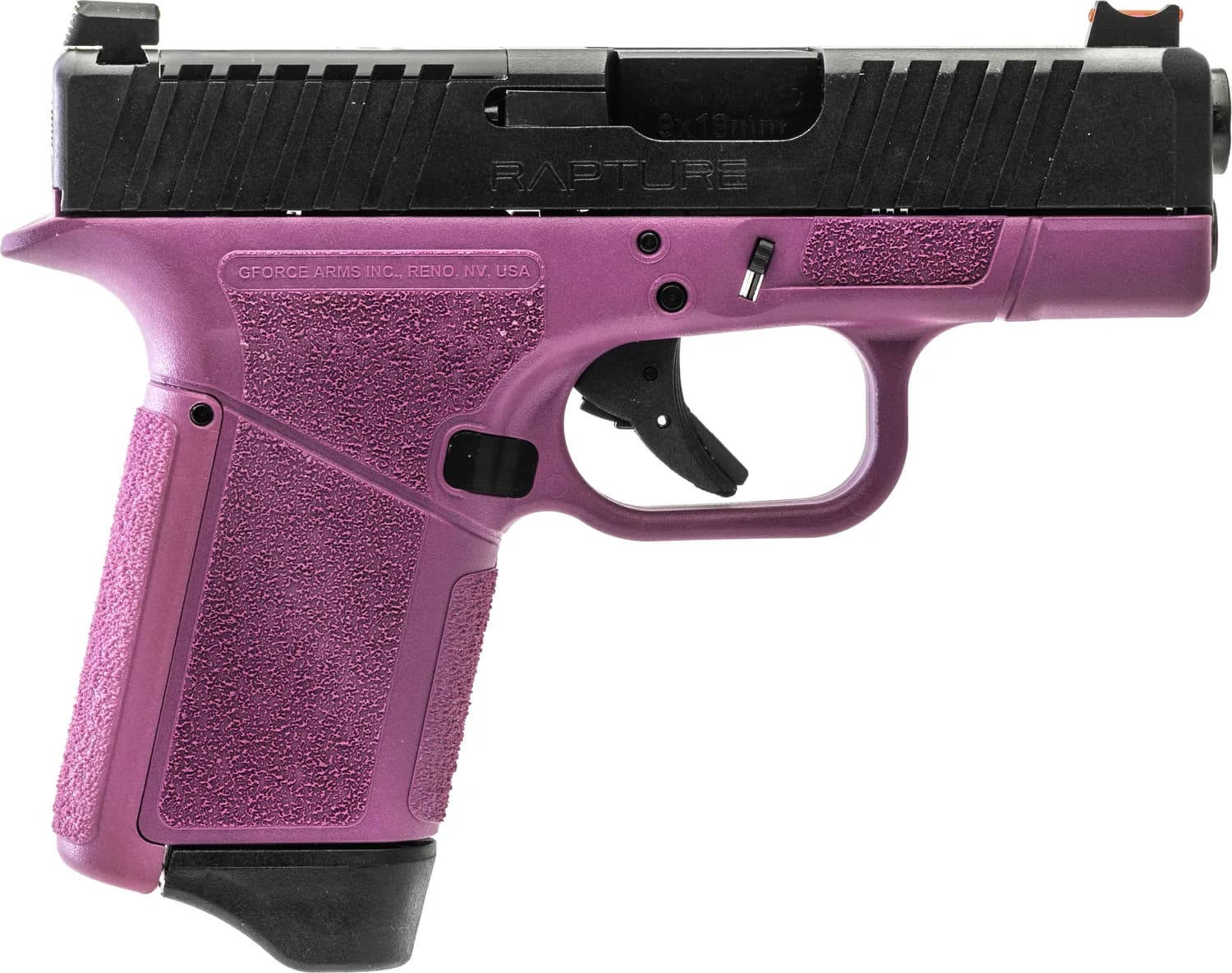
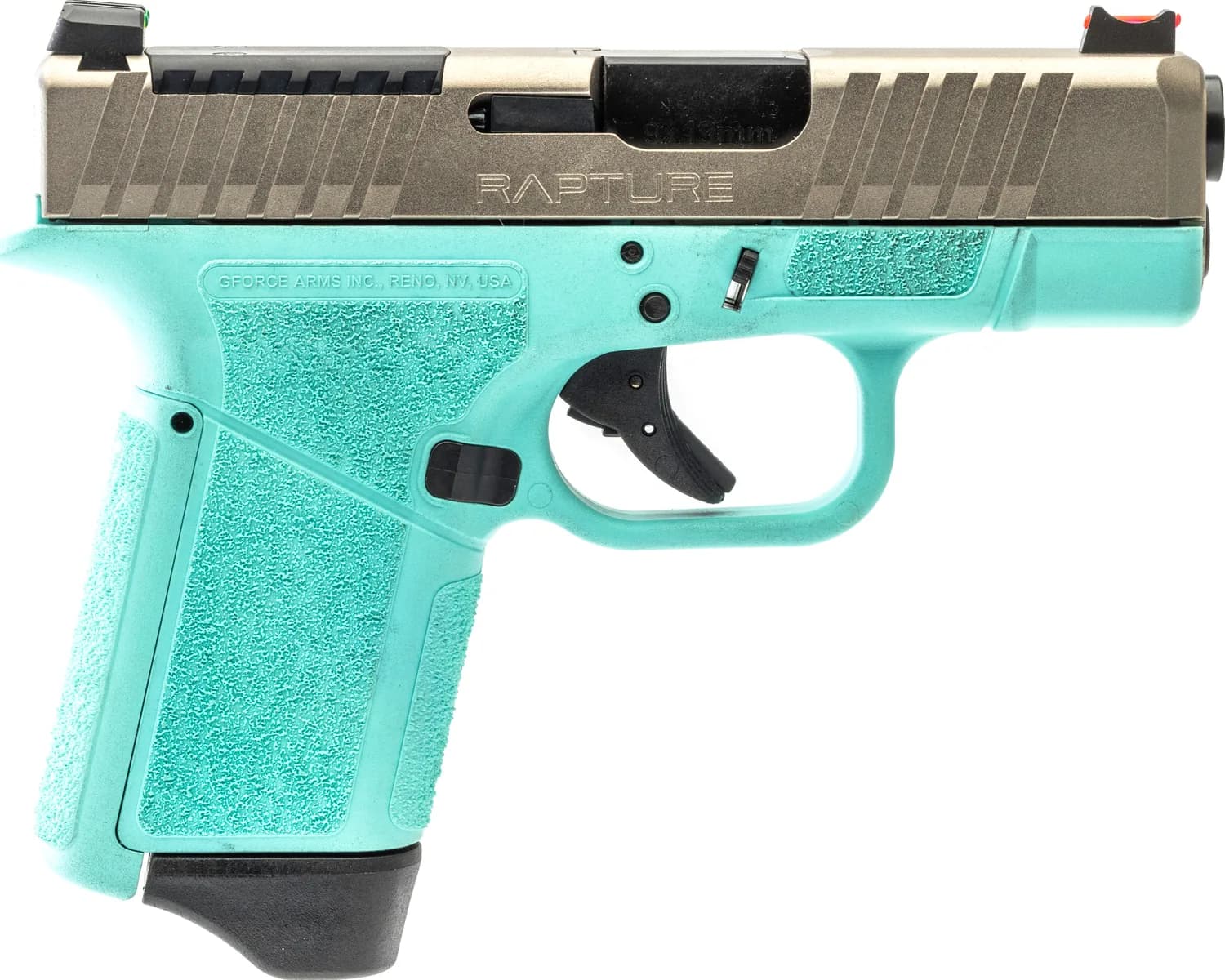
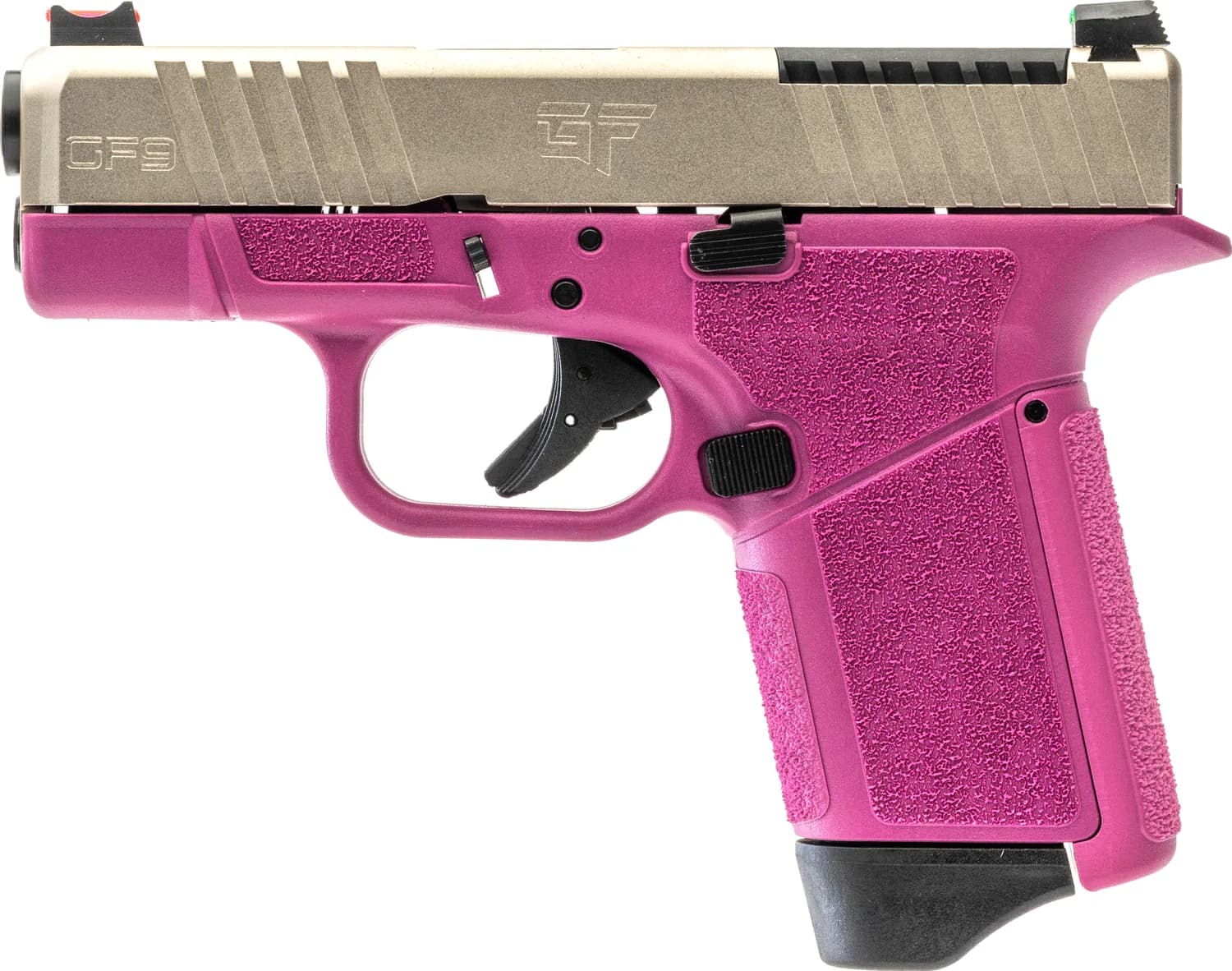
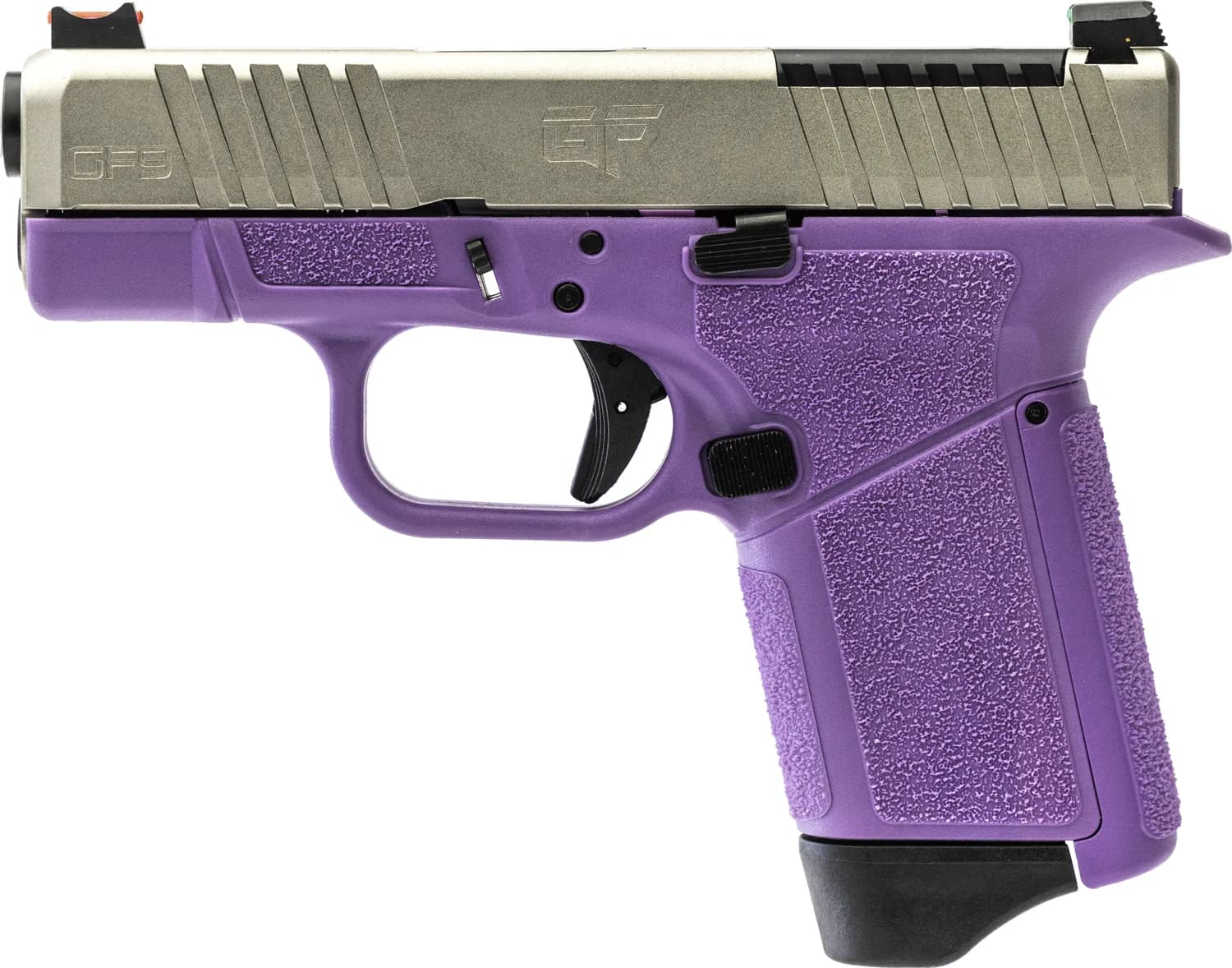
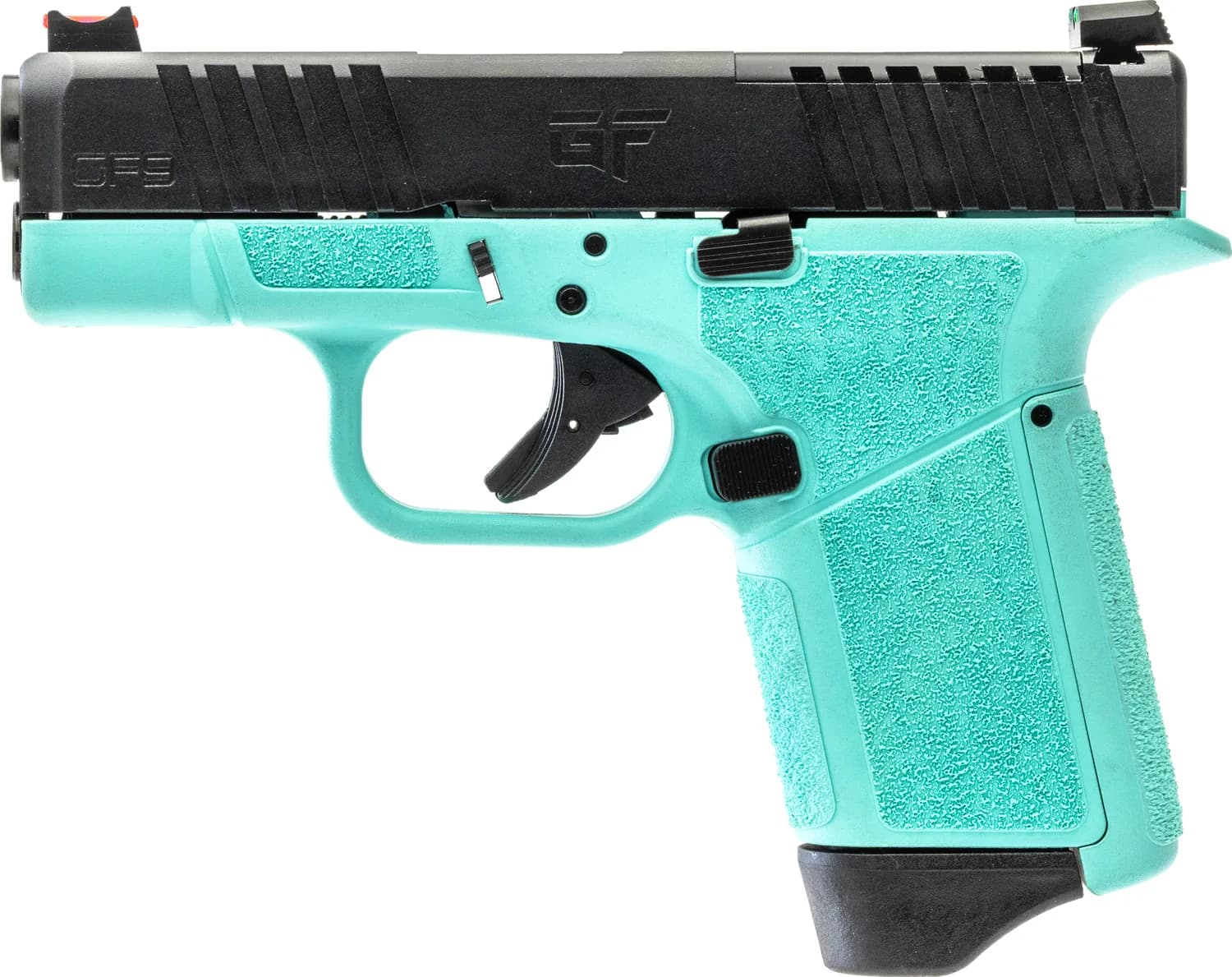
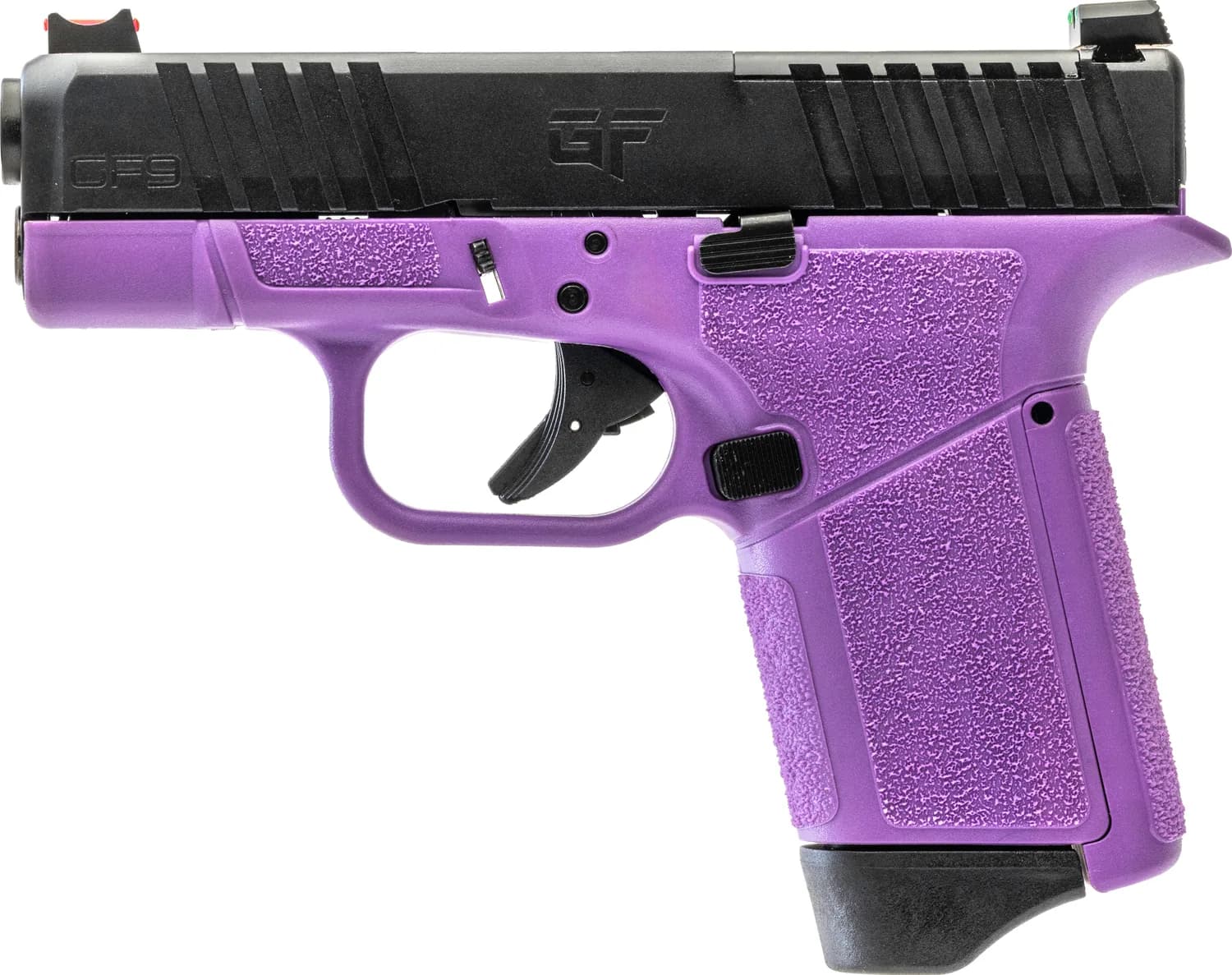
Buy from Impact GunsThe GF9 Rapture arrived as GForce Arms’ entry into the crowded subcompact 9 mm market. The pistol was introduced as a U.S.-made design and promoted as a feature-rich, optics-ready micro-compact intended to compete with established “baby‑Glock” style carry pistols. Early company material and the factory manual positioned the Rapture as a purpose-built concealed‑carry platform with a short 3.25‑inch barrel, fiber‑optic sights and an optics‑ready slide while emphasizing compatibility with many aftermarket parts. The initial announcement placed the model squarely in GForce’s growing handgun lineup and marketed it as a modular, value‑oriented carry option.
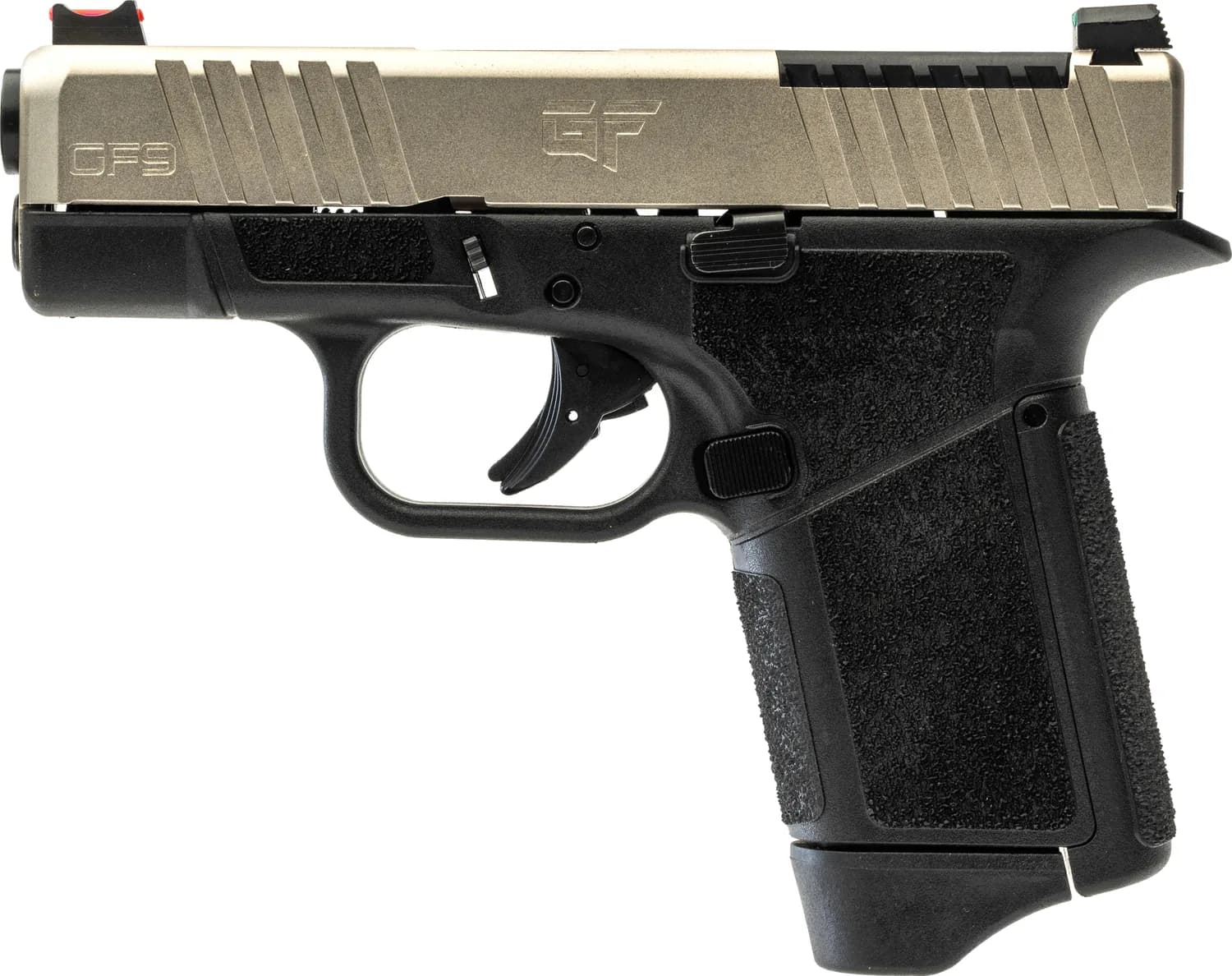
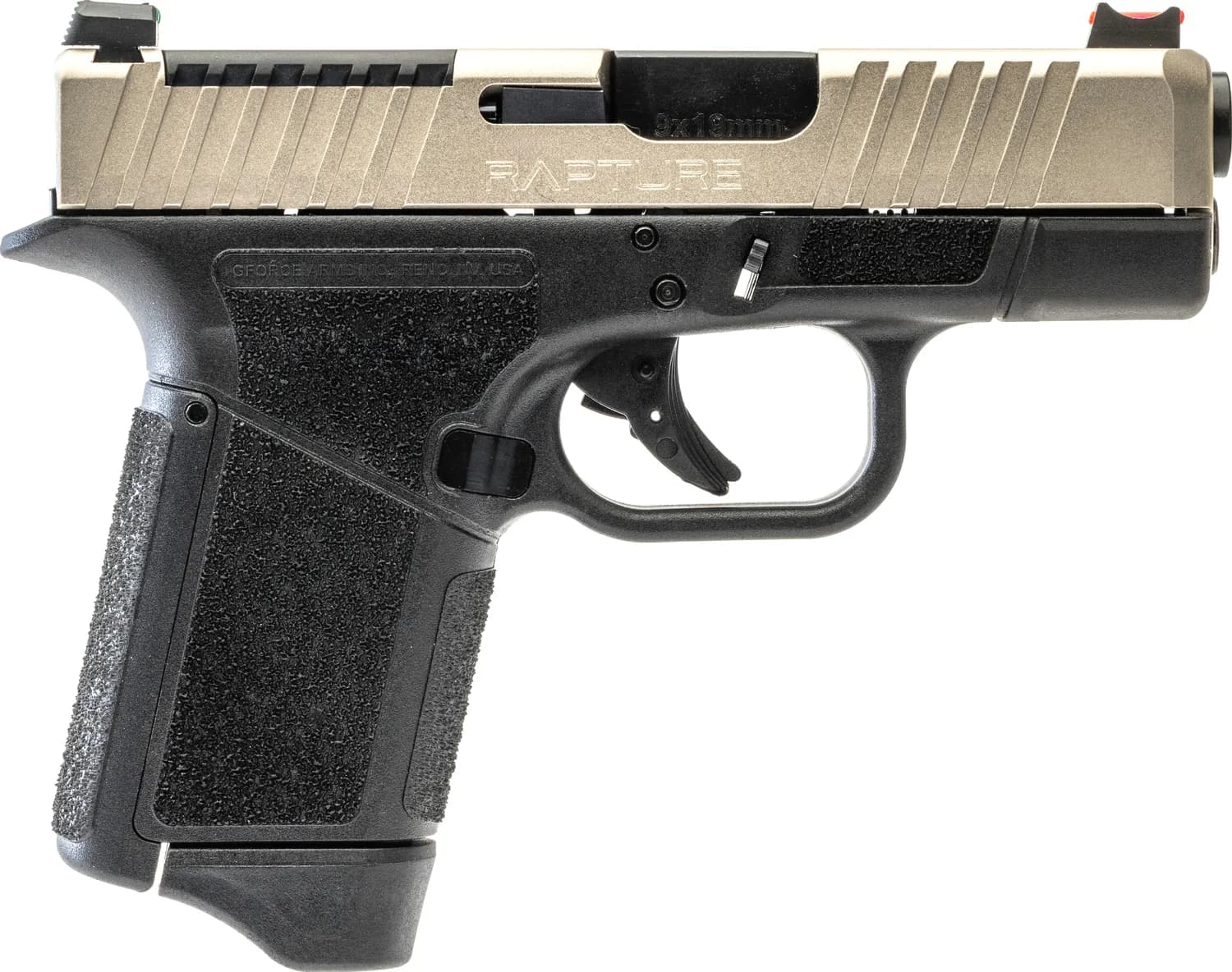
At its core the Rapture uses a polymer frame and steel slide in a conventional locked‑breech, striker‑fired layout sized to balance concealability and controllability. The geometry favors a relatively upright, 90‑degree grip that some shooters describe as closer to a 1911 feel than the more canted grips common on other micro‑compacts; that grip stance, combined with an aggressive stippling pattern and molded thumb/finger indexing points, is intended to secure purchase and help manage muzzle flip during rapid firing. The slide is cut and drilled to accept popular micro‑red‑dot footprints, and the factory optic plate supports both RMR and RMSc footprints, making genuine reflex sights a practical option without custom milling. The Rapture ships with fiber‑optic front (red) and rear (green) sights and at least one additional backstrap to tune the hand fit—GForce’s literature lists interchangeable backstraps to alter grip angle and hand interface. These choices point at a design philosophy that trades nothing essential for concealability: short barrel and slide, an emphasis on purchase, and out‑of‑the‑box optics readiness.
Real‑world handling reflects those engineering choices. A 3.25‑inch barrel and a compact 6‑to‑6.6‑inch overall length put the Rapture in the typical subcompact footprint: very carryable but with less sight radius and less inherent mechanical accuracy potential than a full‑size pistol. GForce balanced that tradeoff with a relatively long grip for the class, allowing many users to get at least three fingers on the frame, and by offering backstraps to shift angle. The aggressive texture and the flat (or in some runs, curved) trigger geometry influence control and tactile feedback; however, reviewers and owners report the trigger safety and trigger pull can feel heavy out of the box, which affects perceived smoothness.
Independent testing and early reviewer experience paint a nuanced picture. Range tests show the Rapture is capable of practical defensive accuracy from common self‑defense distances when shot from a stable position; the 3.25‑inch hammer‑forged barrel and consistent sights mean point‑of‑aim/point‑of‑impact is serviceable for a carry pistol. Several reviews recorded a fairly heavy primary trigger pull and a stiff trigger‑safety lever—measurements in testing averaged around the mid‑single digits in pounds—resulting in a break and takeup that some shooters find clumsy compared with more refined striker‑fired triggers. Recoil is described as snappy, a predictable outcome for a light, short‑barreled 9 mm, but the frame’s grip geometry and stippling help mitigate muzzle flip for experienced hands. Over sample magazines and typical break‑in periods, the Rapture has shown generally reliable function, though a handful of reviewers experienced early light primer strikes or extraction issues that were mostly resolved after a short break‑in and ammunition selection.
Durability reports are mixed. The factory manual and marketing emphasize a lifetime warranty on functional components, and many owners experience long‑term serviceable performance with normal use. At the same time, multiple owner threads and forum posts have detailed quality‑control problems on some units—ranging from cosmetic machining marks to occasional functional faults such as “dead trigger” conditions or feed/cycling irregularities—which in a few cases required user modification or service interaction to correct. Those reports are uneven in frequency and appear to represent a minority of guns, but they are important context for prospective buyers.
The Rapture is most naturally deployed as a concealed‑carry defensive pistol or as a compact range gun for training and familiarity with a micro‑compact platform. Its compact dimensions and optics readiness make it suitable for everyday carry where concealment and quick sight acquisition matter. The longer grip relative to many competitors also makes it a viable “main carry” for shooters who prefer a smaller holster package without sacrificing a full grip on the gun.
For competition or precision target work the Rapture is less well suited than larger 9 mm platforms: its short sight radius and snappy recoil limit fast, tight strings of fire at distance. Similarly, while the optic‑ready slide invites customization, the small mounting screws and nonstandard fastener sizes reported by reviewers mean those installations require care. Finally, the mixed owner‑reported quality control means buyers who plan to depend on the pistol as a primary defensive tool should inspect and break in the gun thoroughly and confirm reliability with their chosen defensive ammunition before entrusting it for carry.
The GF9 Rapture occupies a clear niche: a highly featured, optics‑ready micro‑compact priced aggressively against legacy manufacturers’ compact offerings. Its factory feature set—fiber‑optic sights, optic cuts, aggressive stippling, and apparent wide aftermarket compatibility—makes it competitive on paper. Reviewers frequently compare it to compact Glock models and other micro‑compacts, noting that the Rapture delivers many of the same conveniences at a lower outlay, but with a tradeoff in finish consistency and trigger refinement. The warranty and manufacturer support are positive selling points, but real‑world buyer experiences have produced a split narrative: many users report satisfactory serviceable performance for the price, while a smaller segment reports quality or fit‑and‑finish issues that required fixes or warranty work.
Value‑oriented buyers who are comfortable doing minor fitting, sourcing correct optic screws, or swapping aftermarket trigger components will likely see strong value in the Rapture’s feature set. Buyers seeking the highest levels of factory finish and out‑of‑the‑box trigger polish may prefer to move up to incumbents with longer track records in the subcompact carry space. Overall, the Rapture is a compelling entry for shoppers who prioritize optics readiness and modularity in a compact 9 mm, provided they verify function and fitment during acquisition and early break‑in.
Start with a practical guide if you want a faster way to narrow the field before comparing specific models.
Learn how to choose the right 9mm handgun based on size, budget, and how you plan to use it.
Read guideCarry-focused shoppersLearn how to choose the right concealed carry handgun based on size, comfort, safety, and everyday usability.
Read guideComparison-focused shoppersA practical guide to comparing handguns the right way: what actually matters, what to ignore, and how to use comparison tools effectively.
Read guide