Affiliate disclosure: HandgunCloud may earn a commission if you continue to the retailer and complete a purchase.
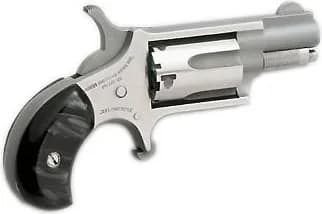
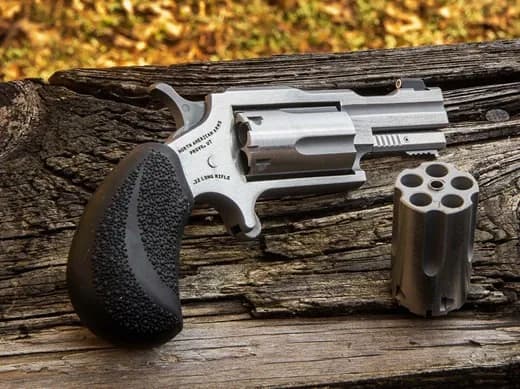
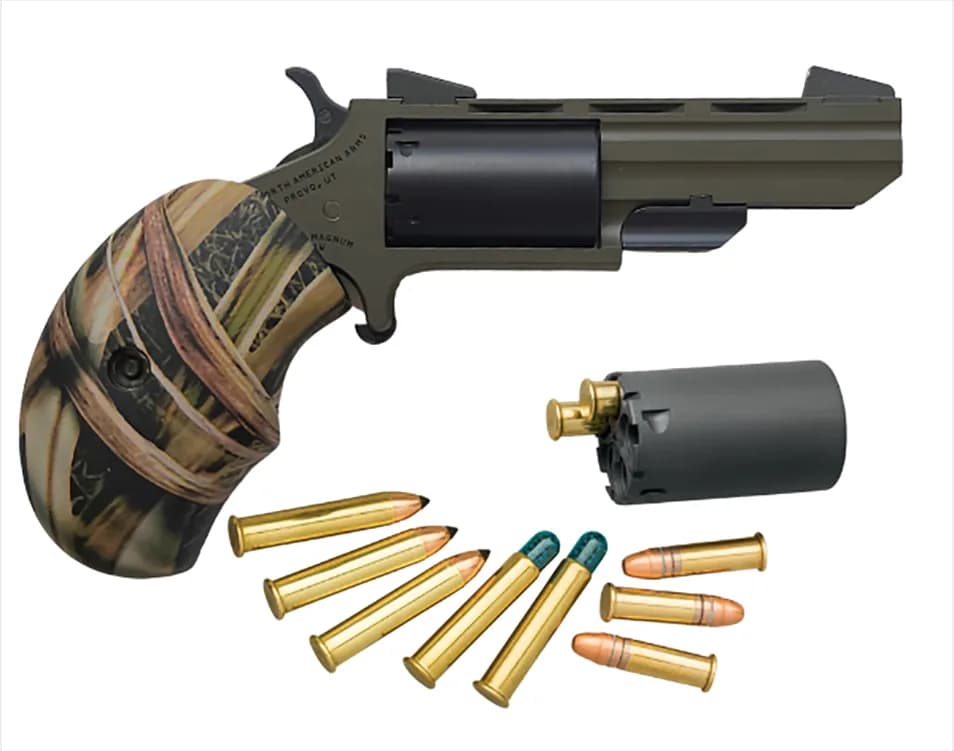
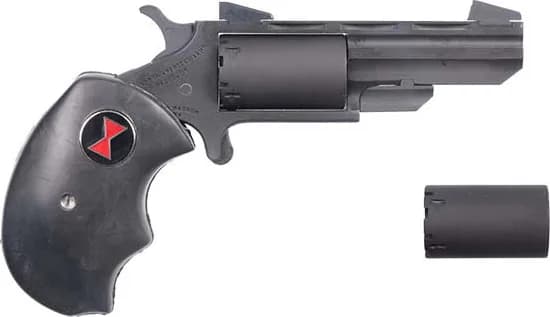
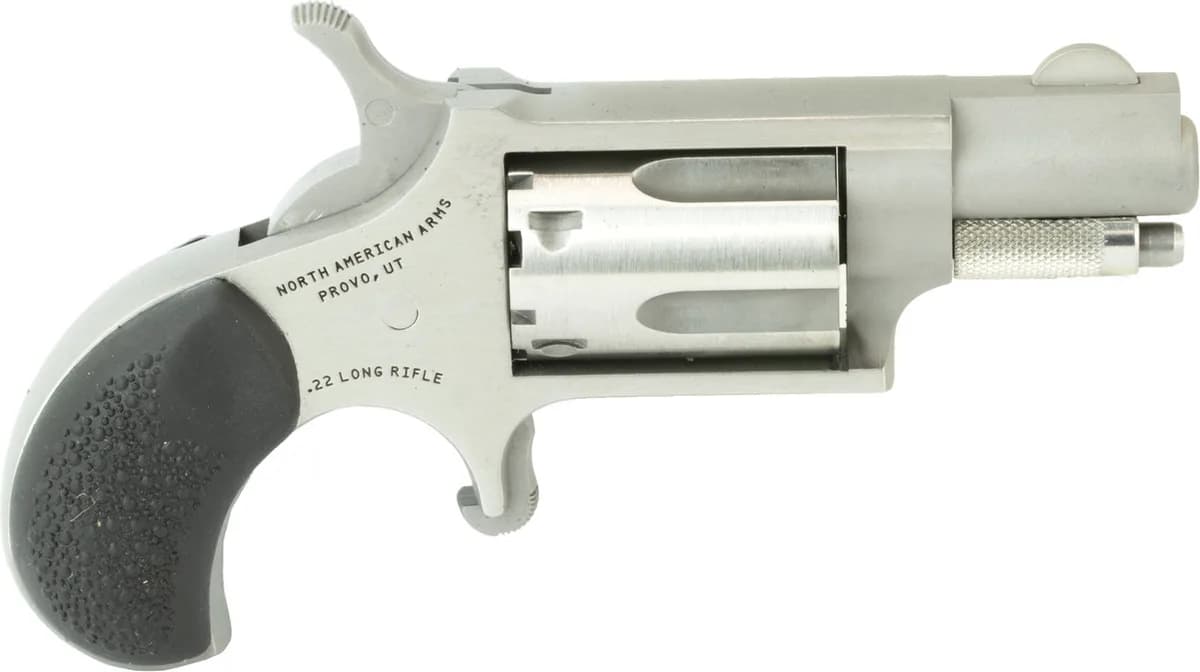
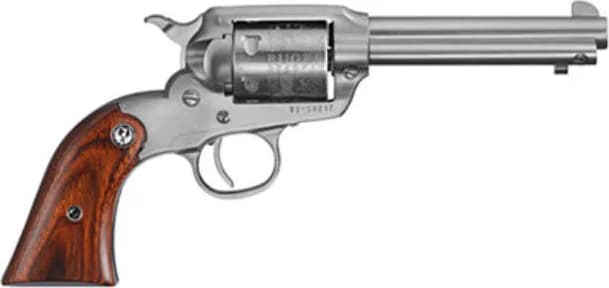
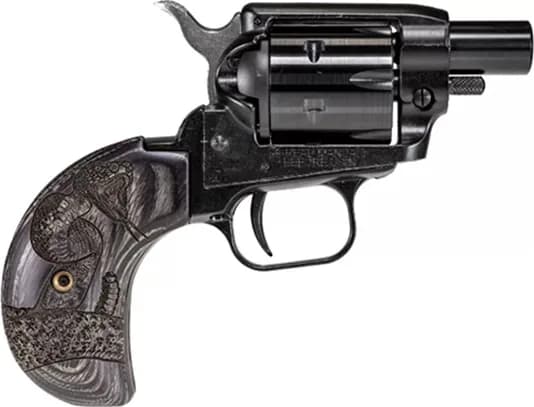
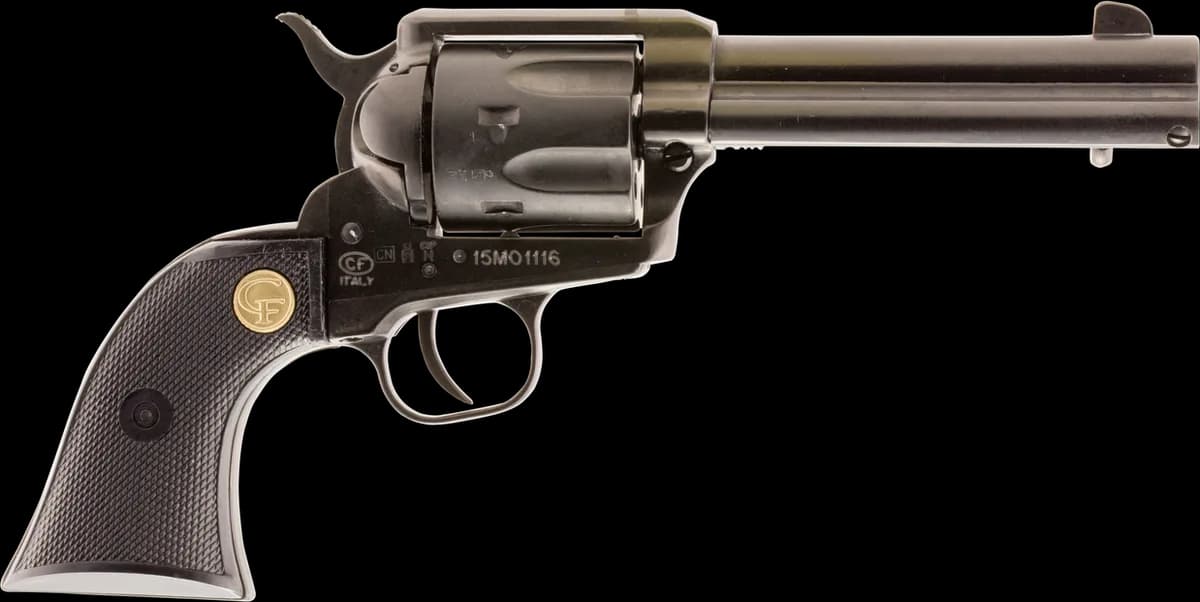
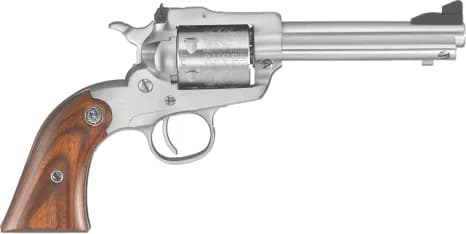
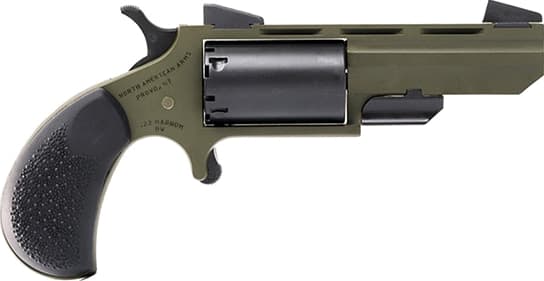
Buy from Impact GunsNorth American Arms (NAA) has long specialized in diminutive, single-action “mini” revolvers designed for deep concealment and emergency carry. The company’s product family—ranging from compact .22 Magnum and .22 LR mini‑revolvers to the small Black Widow and Guardian lines—emphasizes very small footprint designs, simple mechanics and a variety of finishing and grip options tailored toward pocket, boot, or ankle carry. Within that context, the Huntsman is one of NAA’s recent takes on the classic mini‑revolver concept: a five‑shot, single‑action rimfire offered in an olive‑drab/green finish and intended for owners who want a compact .22 Magnum (WMR) pocket revolver with more conspicuous styling than the plain stainless minis. This placement mirrors NAA’s long strategy of offering multiple closely related mini‑revolver models so users can choose finish and carry hardware to match their needs.
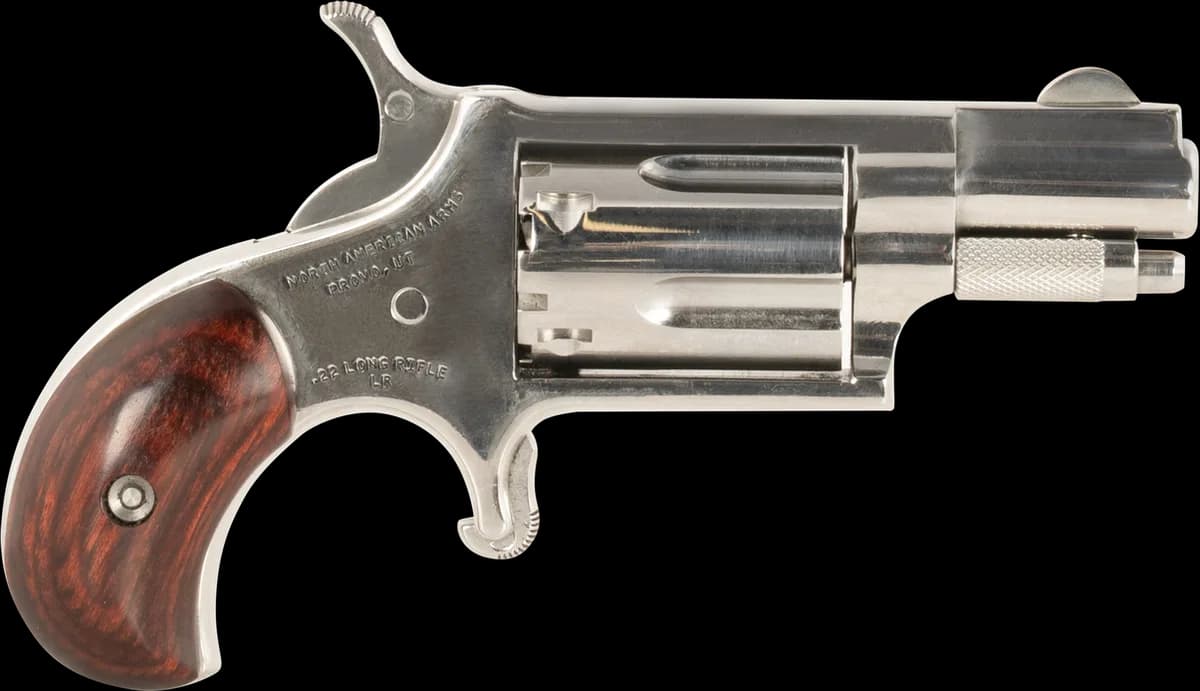
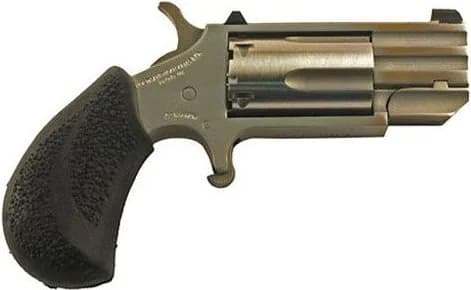
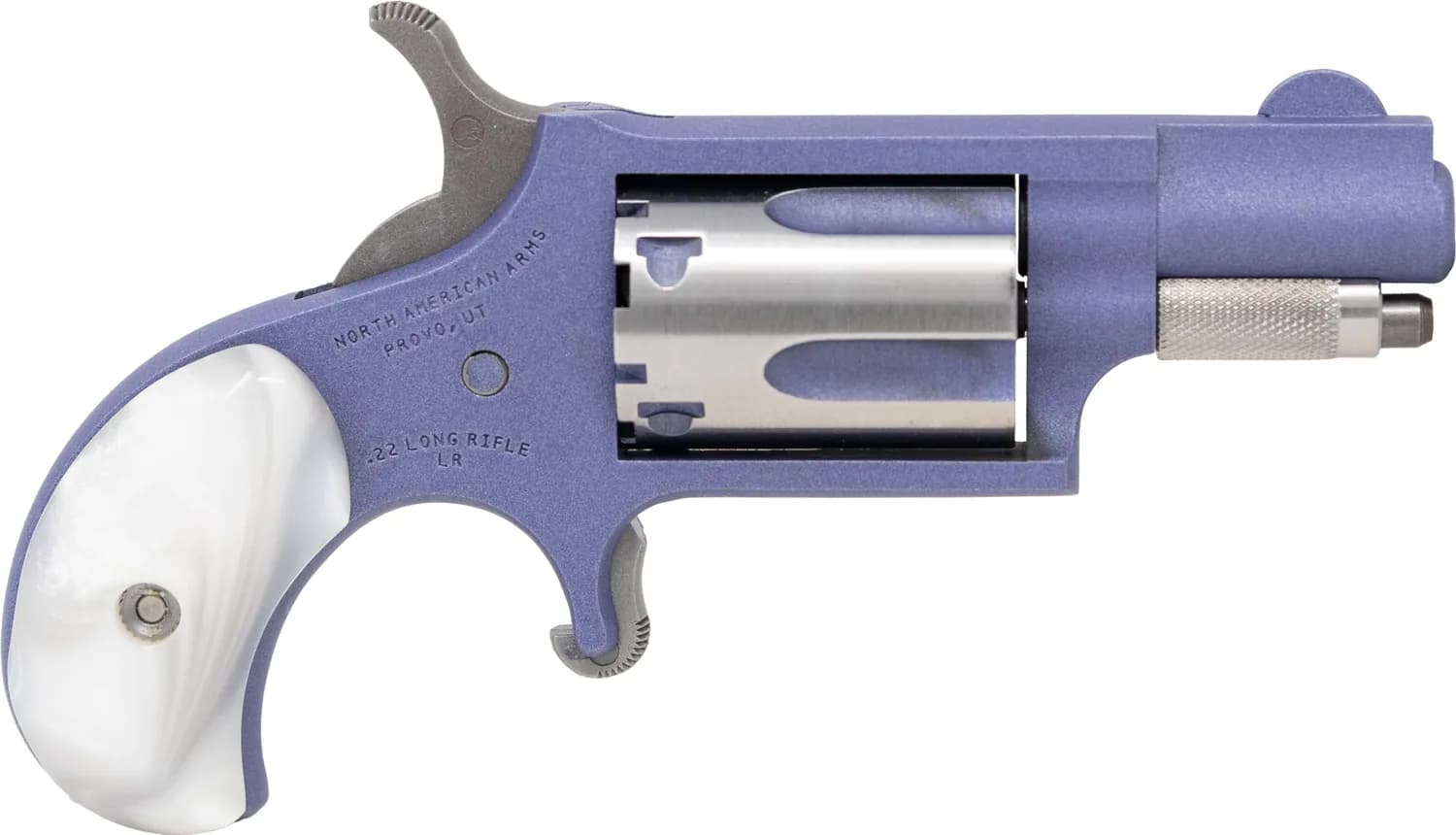
Mechanically, the Huntsman is an economy‑minded NAA mini‑revolver: a break‑top or short‑frame single‑action design with a five‑round cylinder and fixed sights—typical architecture for the company’s small rimfire pistols. The single‑action-only operation requires the hammer to be cocked for each shot, which produces a short, typically light trigger pull and predictable lockwork behavior. The compact dimensions—common to the Huntsman and other NAA minis—are deliberate: shortening the barrel, reducing mass, and keeping a compact grip maximize concealability at the expense of a larger perceived recoil impulse and a reduced sight radius. NAA’s catalogs and accessory literature underline how the company accepts these tradeoffs, pairing tiny revolvers with dedicated holsters, grip options and other concealment aids that are integral to the gun’s intended use.
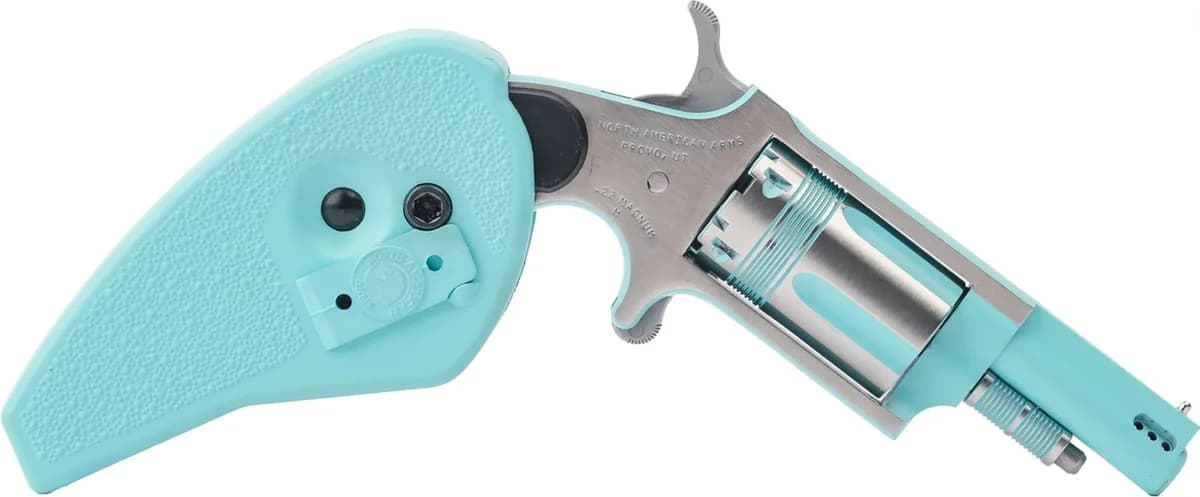
On the ergonomics side, the design philosophy is simple and direct: small cylinder and short backstrap equal minimal printing in a pocket or boot. That same small form factor concentrates the energy of .22 WMR recoil into a light grip surface, which many shooters find “snappy.” The balance is necessarily forward‑light, and handling is dominated by how the shooter grips and supports the gun—short sight radius and limited purchase on the frame make a firm, consistent grip and close‑range aiming essential for repeatable hits. NAA’s accessory ecosystem—holsters that index the tiny revolvers for cross‑draw or pocket carry and optional folding grip/holster combos—reflects how the company expects buyers to mitigate the ergonomics and handling tradeoffs in everyday carry.
Because the Huntsman sits in a class with other NAA minis, owner reports and forum reviews are a useful barometer of real‑world performance. Across several user threads and first‑hand writeups, common themes emerge: at short defensive ranges (inside 7–10 yards) the .22 WMR‑chambered minis can be effective when the shooter practices; accuracy with aimed shots at close distances is adequate, but the short sight radius and small sights limit precision at longer ranges. Recoil and muzzle flip are noticeably sharper than a full‑sized handgun firing the same cartridge, a consequence of the low mass and short lever arm which many describe as “snappy” rather than outright punishing. Single‑action trigger breaks are typically reported as light and crisp out of the box, which helps in precise, deliberate shots, but cadence of fire is limited by the need to cock the hammer for each round. Opinions vary widely on defensive suitability—some shooters treat an NAA mini as a last‑resort option that is better carried than not, while others view it primarily as a deep‑concealment novelty or backup piece.
Reliability for NAA minis in general tends to be acceptable when the gun is used with modern, appropriate rimfire ammunition and cared for correctly. Shooters commonly advise testing any specific ammo type through a particular cylinder and barrel before relying on it for defensive carry; rimfire sensitivity to certain headstamps, loads and storage conditions means that owners often find one brand or lot that works best through their revolver. Reports of malfunctions are not widespread, but when they occur they are often attributable to rim‑lock, over‑ or under‑powered rounds, or user issues with loading technique—again underscoring the importance of familiarization and testing.
The Huntsman’s core competency is concealment. Its size and single‑action simplicity make it an obvious choice as a discreet “just in case” carry gun—pocket, ankle, or as a boot gun. The factory and aftermarket holster options that fit NAA’s green‑finished minis are part of the practical package for people who want guaranteed concealment and a rapid index to a short revolver. For range use, the Huntsman can be entertaining for short‑range target work and informal plinking, and it rewards slow, practiced shooting more than high‑volume drills. It is not designed as a match or competition revolver, nor is it intended for high‑round‑count training sessions given small grips, brisk recoil and the single‑action cadence.
Limitations are straightforward: limited capacity (five rounds), short effective accuracy envelope, and a stout perceived recoil impulse for such a small gun. These factors make it a poor fit for shooters who insist on defensive choices that maximize ballistic power, sight radius, capacity and controllability. Where it does fit is in roles where concealment, minimal carry weight, and an uncomplicated, mechanically simple handgun are primary considerations.
Within the micro‑revolver market, the Huntsman competes against other NAA models and a small set of boutique and economy pocket pistols. NAA’s minis have carved out a durable niche—valued more for concealability and form factor than for pure ballistic performance—and the Huntsman exemplifies that tradeoff. Pricing and availability vary across dealers and colors/finishes, but sales listings and market aggregators show steady demand for olive‑drab and other specialty finishes of NAA mini revolvers; these guns frequently circulate on the secondary market and are supported by a robust accessory aftermarket for holsters and grips. For buyers who prioritize the smallest possible defensive handgun and want a factory‑built, lightweight .22 WMR option, the Huntsman represents a coherent value proposition inside NAA’s product line. For buyers who prioritize capacity, soft recoil, or long‑range precision, there are plainly better choices.
The Huntsman is therefore best understood as a specialized tool rather than a generalist defensive firearm: its compactness, simple single‑action mechanics, and the ecosystem of carry solutions make it a logical choice for extremely deep concealment and as a dependable last‑resort option—provided users accept the performance envelope that comes with miniaturization and practice with the particular ammunition their gun prefers.
Start with a practical guide if you want a faster way to narrow the field before comparing specific models.
Learn how to find a reliable handgun under $500 without wasting money or compromising on quality.
Read guideComparison-focused shoppersA practical guide to comparing handguns the right way: what actually matters, what to ignore, and how to use comparison tools effectively.
Read guideFirst-time buyersLearn how to choose your first handgun by focusing on size, comfort, ease of use, and budget instead of getting lost in unnecessary details.
Read guide