Affiliate disclosure: HandgunCloud may earn a commission if you continue to the retailer and complete a purchase.
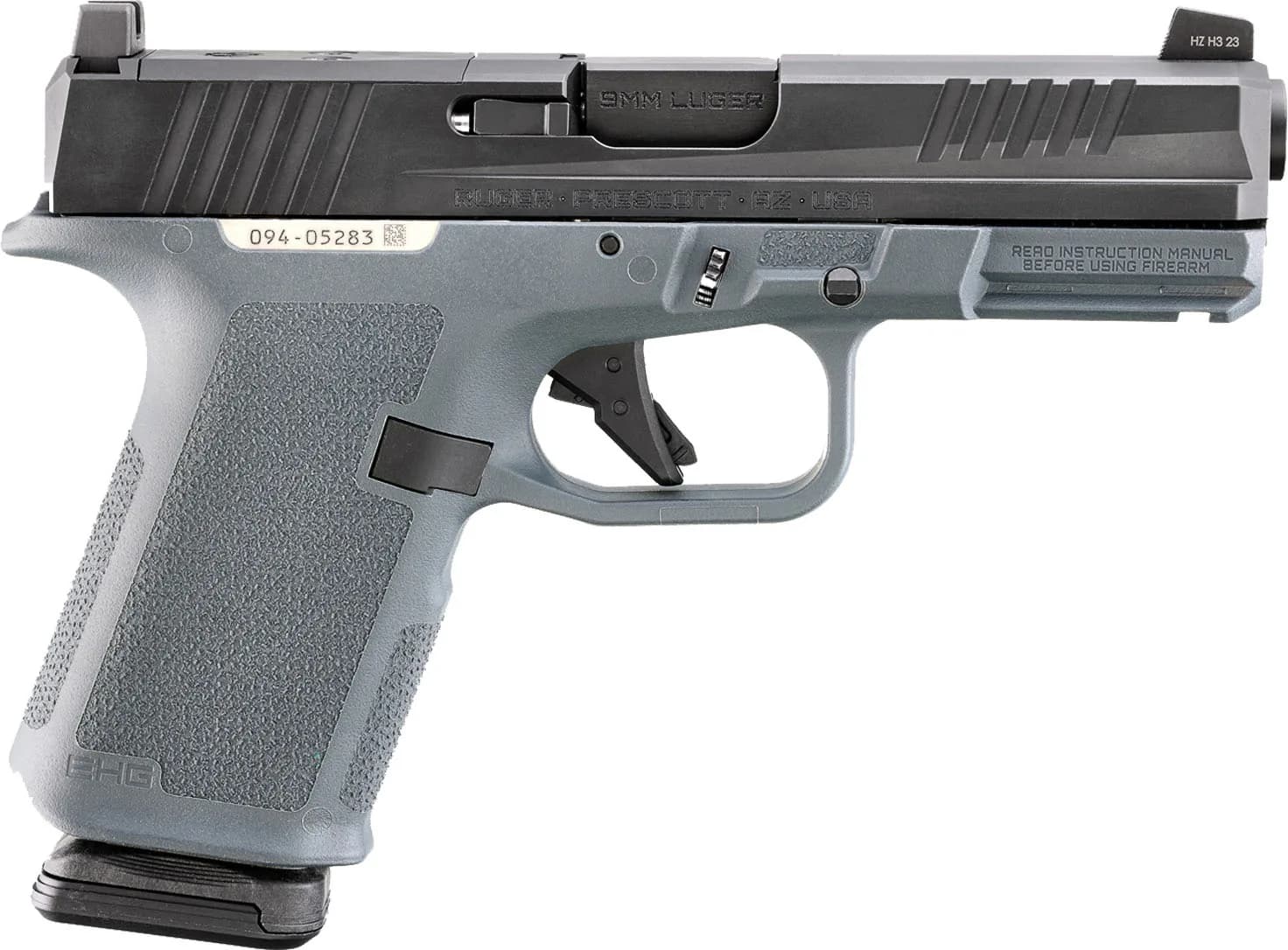
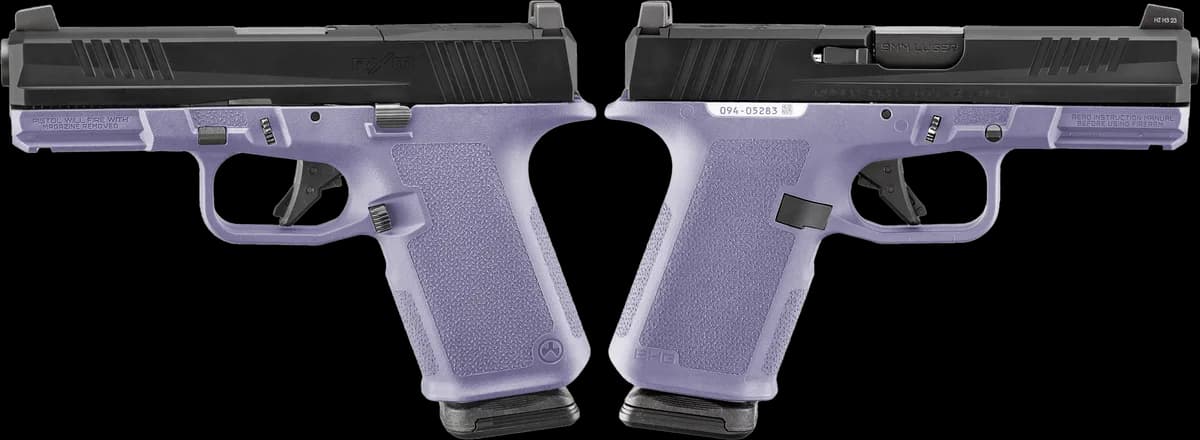
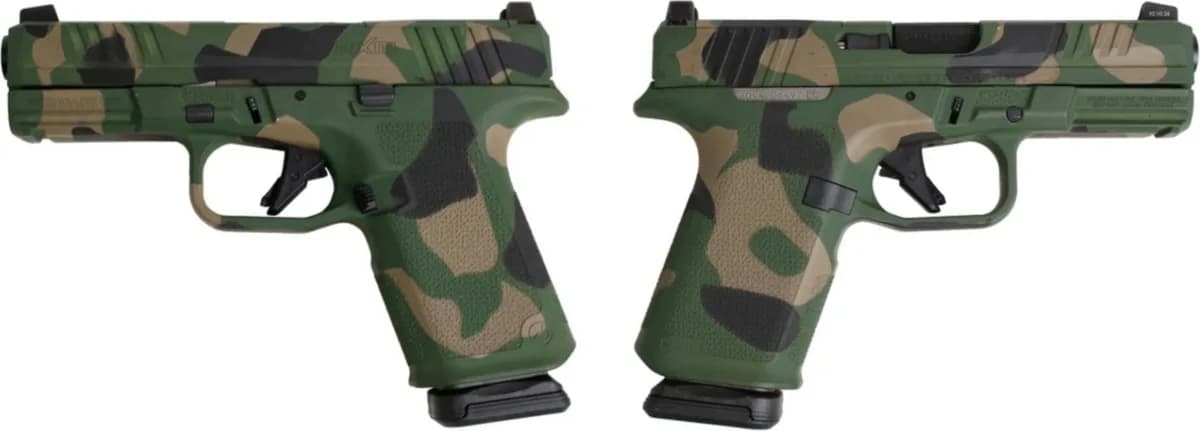
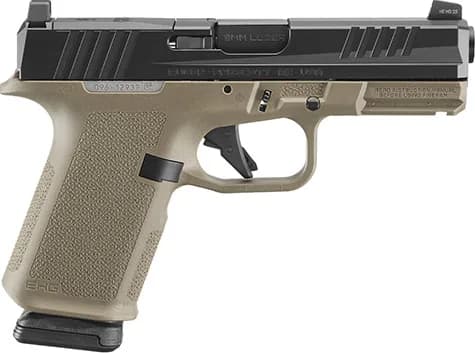
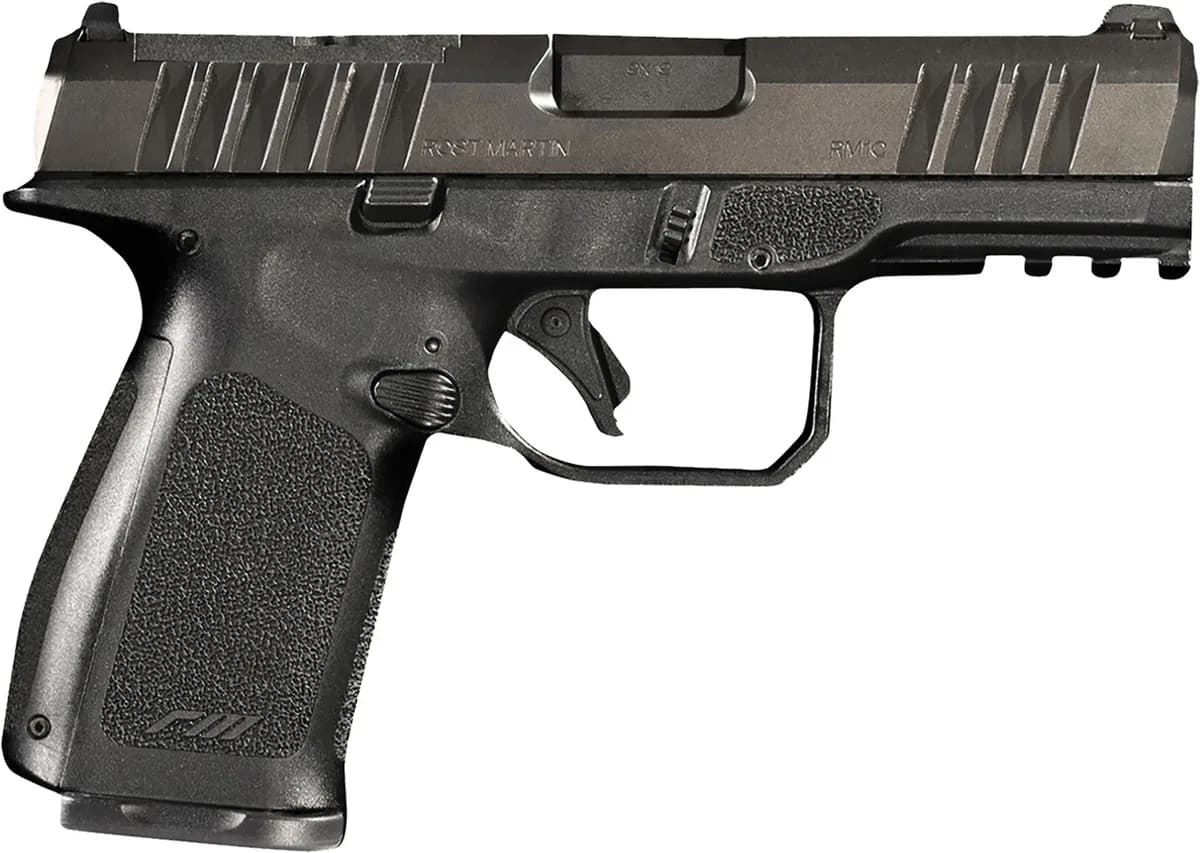
Buy from Impact GunsThe RXM emerged as one of Ruger’s most visible new pistols in late 2024, the product of a high-profile collaboration with Magpul that put a serialized stainless-steel fire-control insert inside an interchangeable Magpul Enhanced Handgun Grip. Ruger positioned the platform as a modern, modular compact 9 mm with features—optics-ready slide, improved factory trigger, tritium front sight and Magpul-sourced ergonomics—that are normally offered as aftermarket upgrades, and the company quickly expanded the lineup to include a factory-threaded, 4.5‑inch barrel variant aimed at shooters who want a suppressor-ready compact package. The RXM was widely promoted as a modular platform with the potential for multiple grip/slide configurations and aftermarket support.
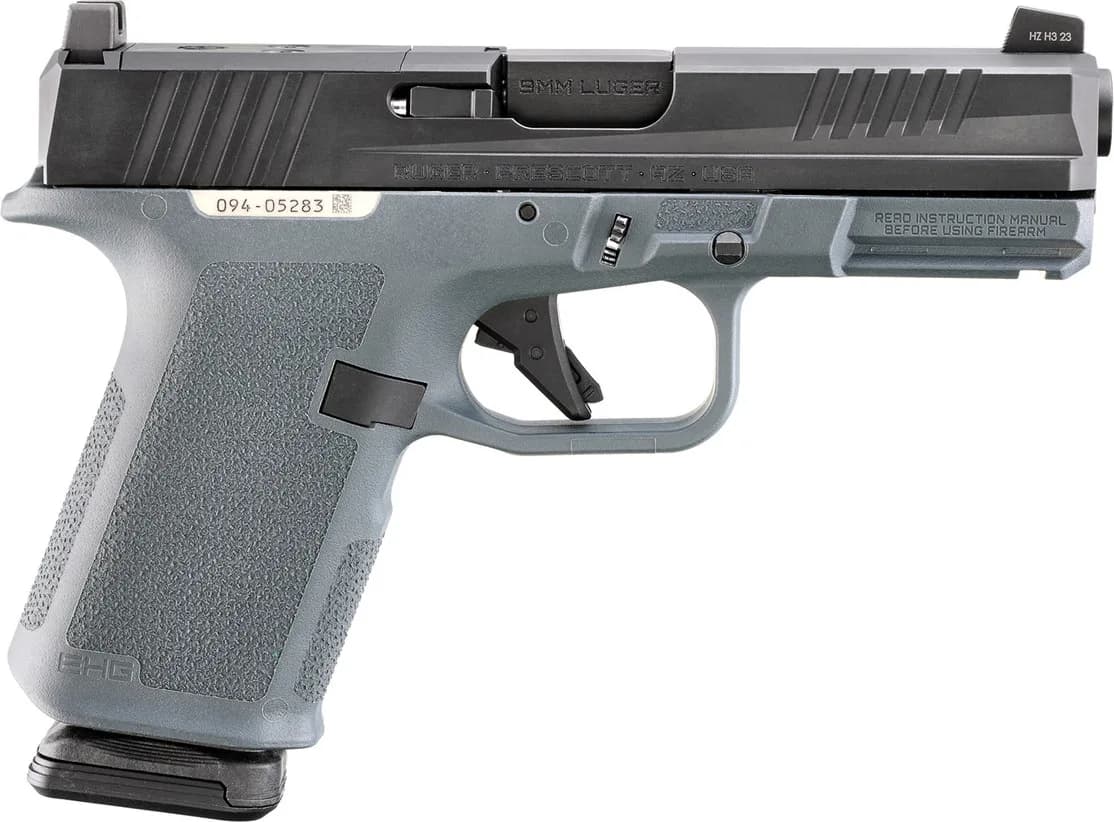
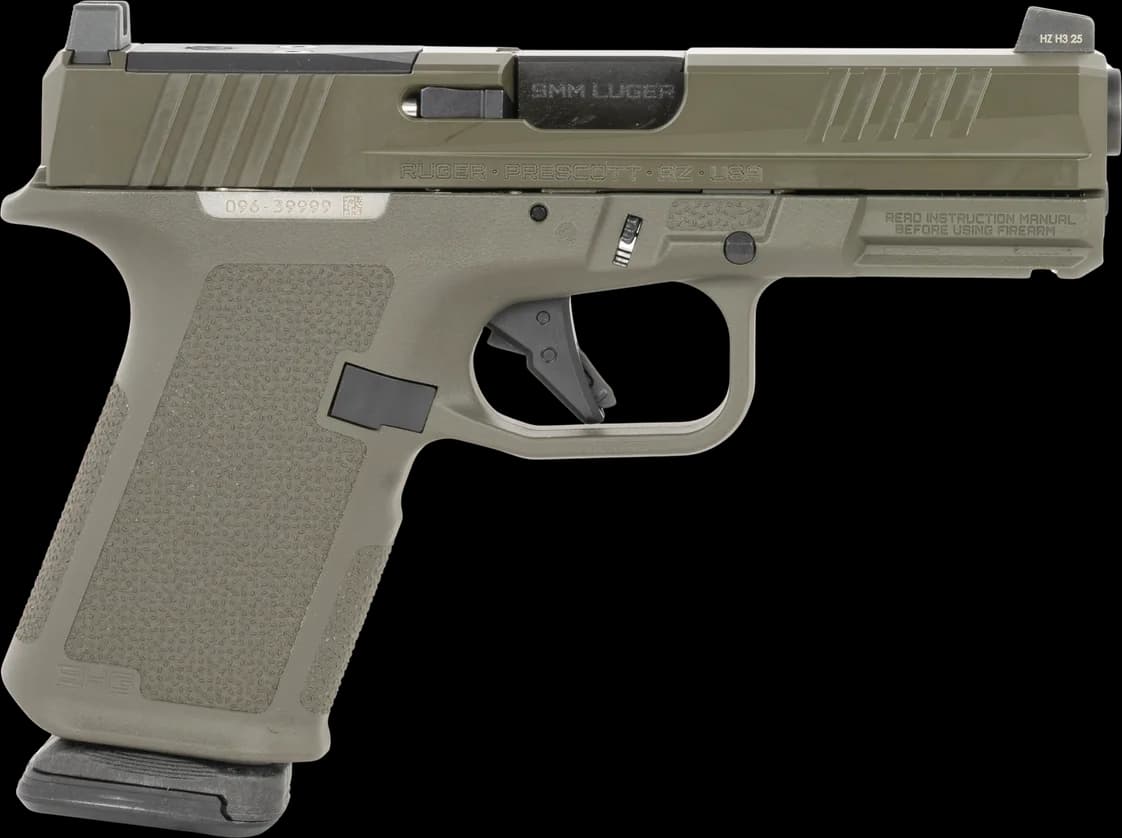
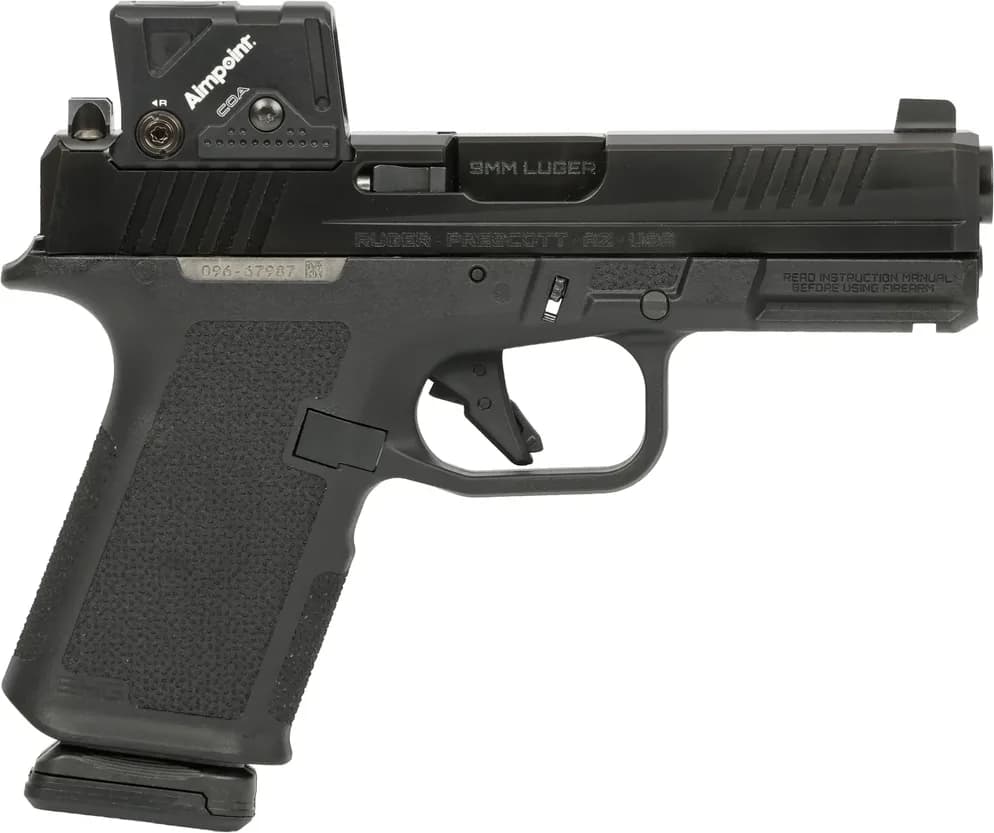
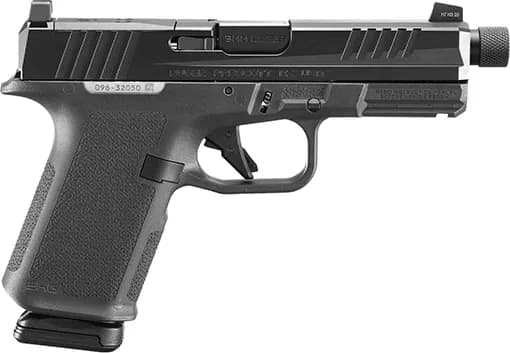
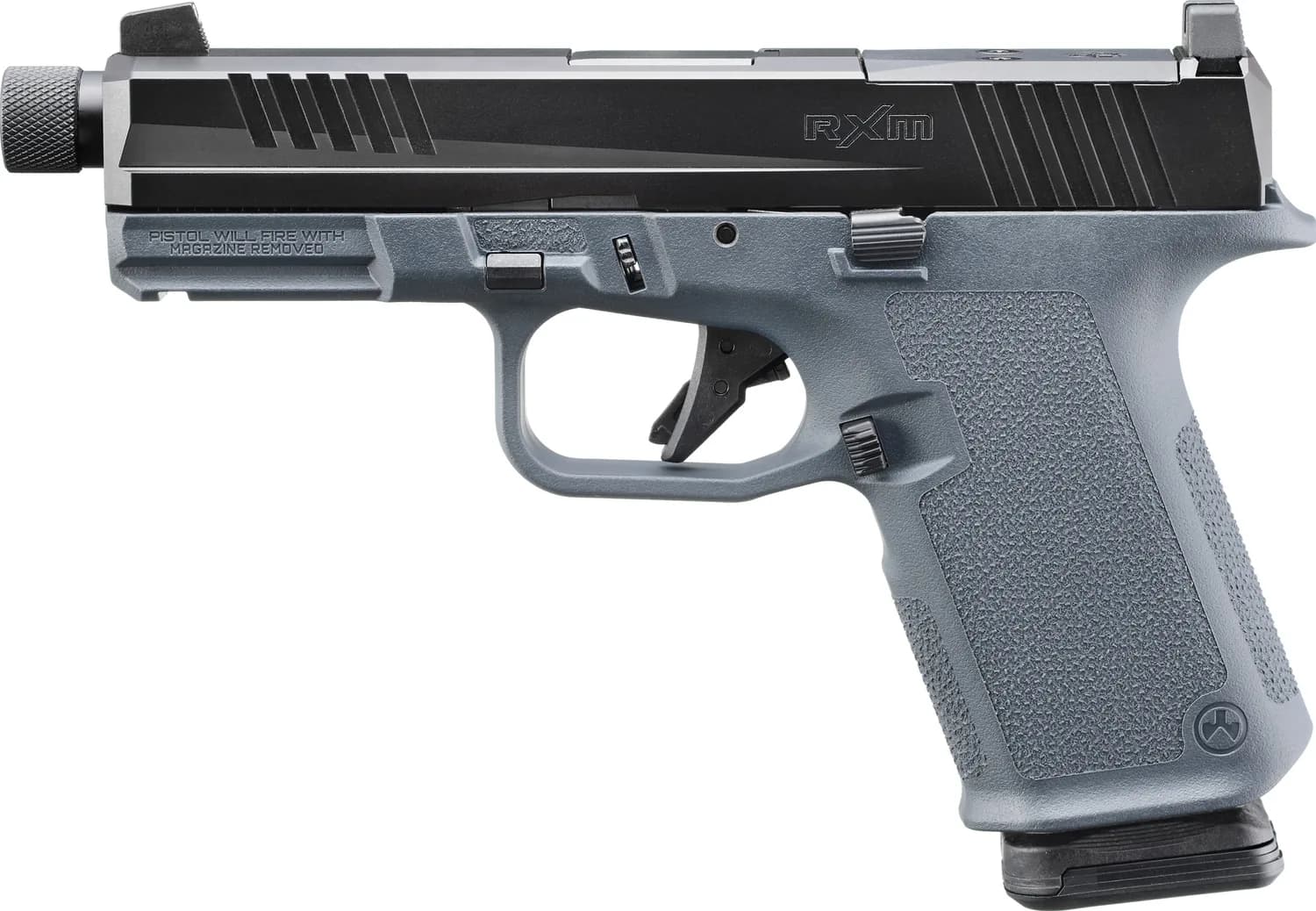
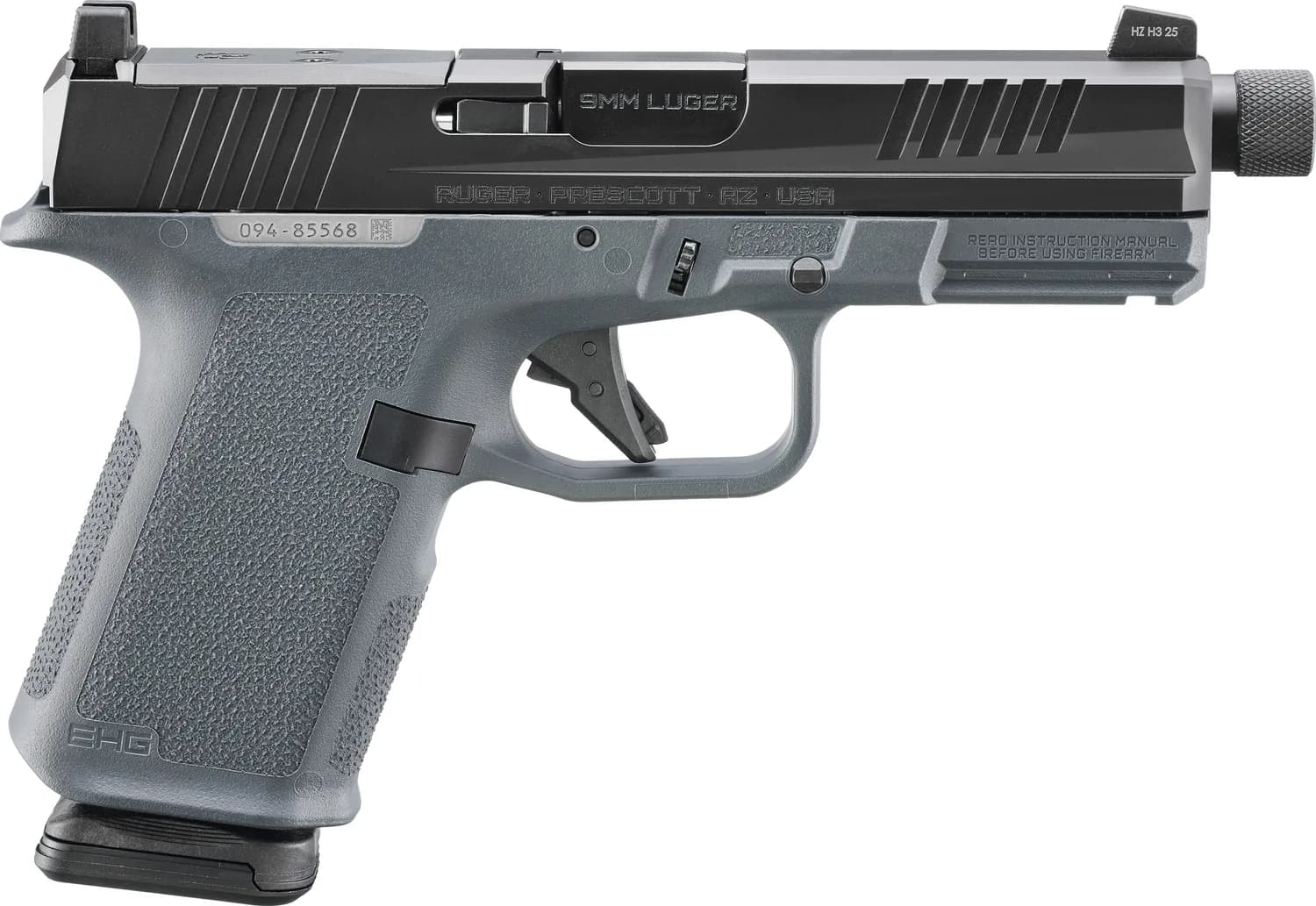
Underpinning the RXM is Ruger’s Fire Control Insert (FCI) concept: the serialized fire-control unit is a removable stainless-steel chassis that houses the trigger group and related components. That FCI drops into an interchangeable Magpul Enhanced Handgun Grip (EHG), which gives the gun a distinctive feel compared with typical Glock-pattern pistols and opens the door to swapping grip modules without transferring a firearm. Ruger designed most major components for Glock Gen‑3 compatibility (magazines and many aftermarket parts), while the slide and barrel use through-hardened alloy steel with a Black FNC nitride finish for corrosion and wear resistance. The threaded-barrel variant runs a 4.50‑inch barrel with 1/2"‑28 threads under a factory thread protector, and the pistol ships with two Magpul PMAG 15 GL9 magazines.
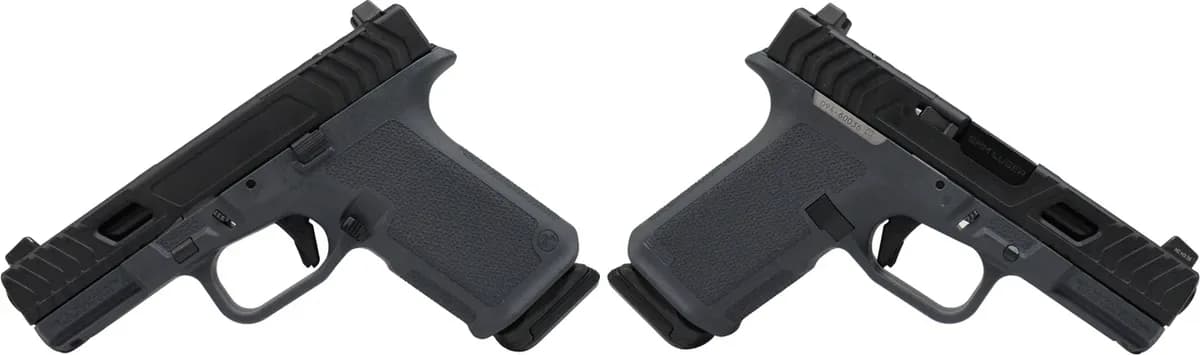
Ergonomics center on the Magpul frame: a relatively flat backstrap, aggressive but not abrasive 3/4‑scale texture, an undercut trigger guard and extended beavertail to promote a high, locked-in grip. Controls are familiar—extended magazine release and a raised slide stop—but the overall external geometry is subtly different from a Glock, which many shooters find more natural to point. Ruger cut the slide to accept common micro‑red‑dot footprints (RMR, RMSc and DeltaPoint Pro) and fit co‑witness‑height metal sights with a tritium front insert, giving the pistol a usable iron‑and‑optic sighting solution out of the box.
With an unloaded weight in the mid‑20‑ounce range (Ruger lists this threaded variant at roughly 23.6 oz) and an overall length around 7.65 inches, the threaded RXM sits between a compact and a full‑size pistol in feel. The longer barrel and slide impart a slightly more forward balance that some shooters prefer for sight tracking and recoil management, and the flat‑faced trigger with an integrated trigger safety provides a short, tactile reset that reviewers have repeatedly praised as an improvement over many stock Glock triggers. Ruger also includes an additional, heavier (about 18‑pound) guide‑rod/recoil‑spring assembly for shooters who plan to use a suppressor or run different loads, a pragmatic inclusion that eases suppressed use without parts shopping.
Early published testing and multiple independent reviews report that the RXM is accurate and pleasant to shoot. Reviewers writing from the bench have noted consistent groups at typical defensive distances and credited the flat trigger and usable sights for repeatable hits; range reviewers also highlighted the gun’s natural pointability thanks to the Magpul grip geometry. Recoil is described as predictable and manageable for a 9 mm in this weight class, helped by the longer‑than‑subcompact slide and the option of a stiffer guide‑rod for suppressed operation.
Durability testing and owner experience have been largely positive as well—some independent outlets reported very high round counts with minimal issues; one testing program cited thousands of rounds through a single sample without malfunctions during extended testing. At the same time, a portion of early adopters and forum threads documented intermittent magazine‑compatibility and feeding questions when using certain Glock‑pattern magazines, prompting discussion and investigation among owners and Ruger representatives. Ruger’s factory packaging and documentation emphasize the included Magpul PMAGs and note that most major components were designed with Gen‑3 compatibility in mind. Those mixed early reports underscore the value of running a new pistol with a selection of magazines and a short ammunition test regimen before committing it to daily carry or duty use.
The threaded‑barrel RXM is a flexible tool: it is well suited to suppressed shooting (factory threads and the heavier recoil spring), it is a credible option for home defense and duty use where an optic and tritium sight are valued, and it is comfortable enough for many shooters to consider for everyday carry if they prefer a slightly larger package with added sight radius and suppressor adaptability. On the flip side, the 4.5‑inch threaded configuration is not the lightest or smallest carry choice—there are more compact, purpose‑built carry pistols if ultimate concealment and minimal weight are the priority. Competitive shooters in production divisions who depend on highly refined triggers and aftermarket support will find the RXM competitive in short‑to‑mid‑range matches, but they may opt for platform‑specific aftermarket slides and triggers as they refine their setup.
Value is the RXM’s strongest selling point: Ruger packaged optics readiness, a factory flat trigger, tritium front sight, Magpul ergonomics and modularity into a single pistol at a price point that undercut the cost of buying a comparable Glock and then upgrading it. That combination put the RXM squarely against Glock 19‑sized compacts, Polymer‑80/Glock‑pattern clones, and modular entries such as the P320 family; reviewers and industry analysts have noted that the RXM reduces the “Glock tax” for many modern features by offering them factory‑installed. Observers also point out that the decision to accept Glock‑pattern magazines and many Gen‑3 parts smooths the path for holsters and accessories, lowering the friction for adoption.
At the same time the RXM gained market attention it also attracted public scrutiny. Advocacy organizations and at least one state attorney general raised concerns late in 2025 about the potential for illegal conversion devices to be used on certain pistol platforms; Ruger publicly responded to inquiries and offered to engage regulators, defending the legality and safety of its product. That episode introduced a layer of policy debate around the pistol that became part of the RXM’s public narrative and illustrates how a high‑visibility launch can draw non‑technical scrutiny as well as consumer attention. Readers should consider both the technical assessments from range testing and the broader regulatory conversations when evaluating the platform.
The RXM is a notable entry for shooters who want a modern, modular 9 mm with factory optics readiness and suppressor capability without paying a heavy premium for upgrades. Its blend of Magpul ergonomics, a flat trigger and a serialized FCI gives it a distinct place in Ruger’s lineup and in the crowded compact‑pistol market—one that will be shaped further by Ruger and third‑party support, owner experience with magazines and accessories, and how the company responds to the policy debates that followed the model’s release.
Start with a practical guide if you want a faster way to narrow the field before comparing specific models.
Learn how to choose the right 9mm handgun based on size, budget, and how you plan to use it.
Read guideCarry-focused shoppersLearn how to choose the right concealed carry handgun based on size, comfort, safety, and everyday usability.
Read guideComparison-focused shoppersA practical guide to comparing handguns the right way: what actually matters, what to ignore, and how to use comparison tools effectively.
Read guide