Affiliate disclosure: HandgunCloud may earn a commission if you continue to the retailer and complete a purchase.
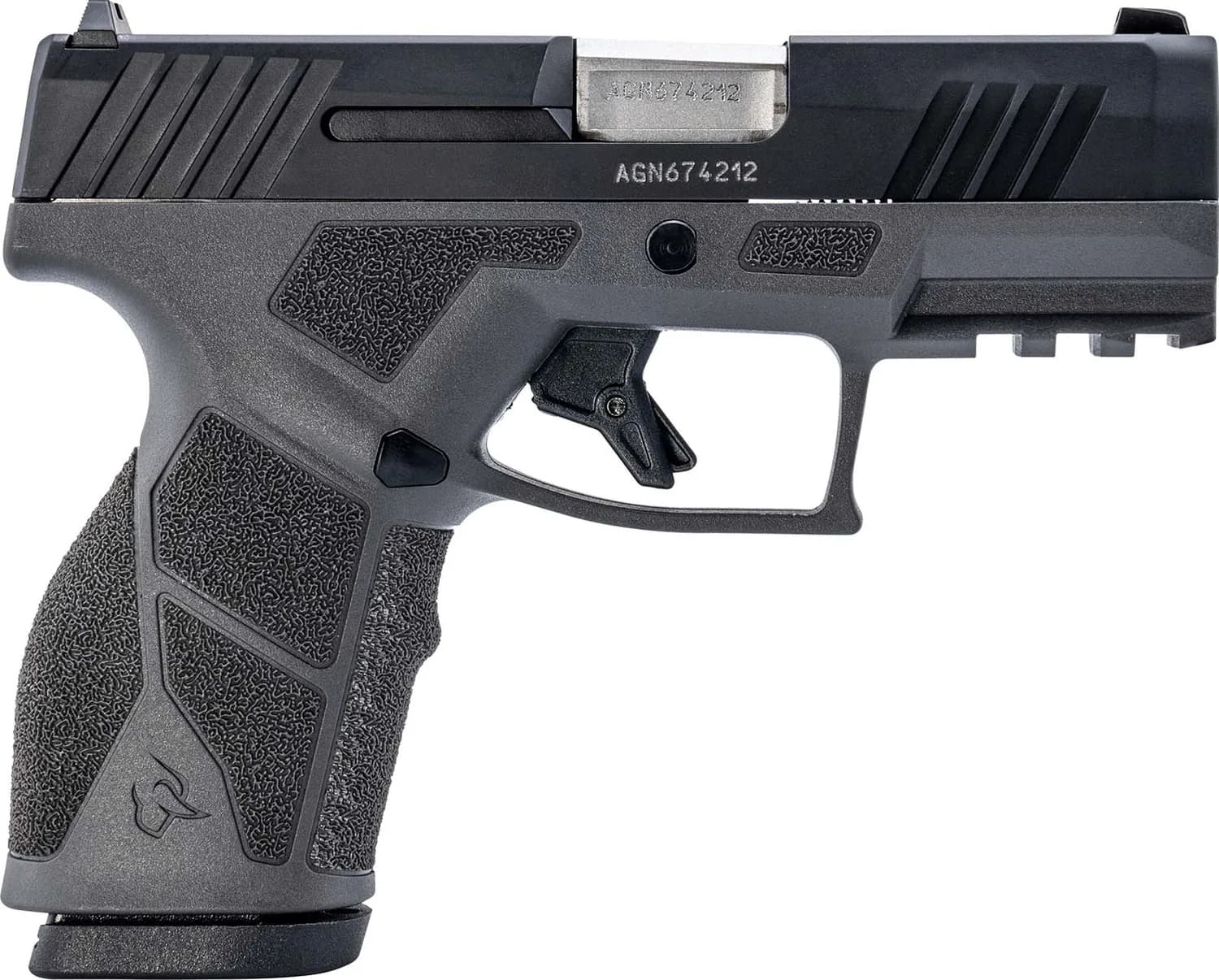
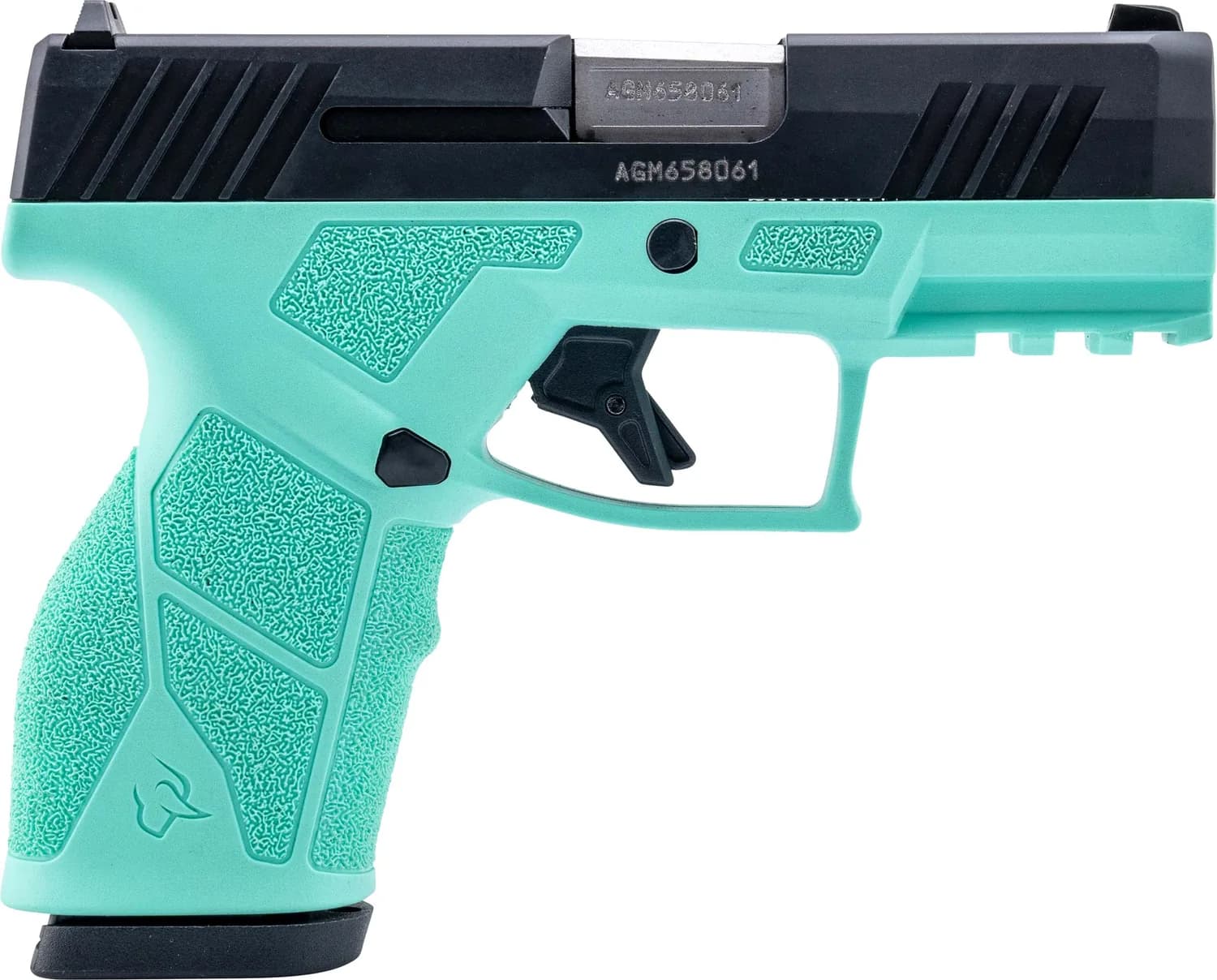
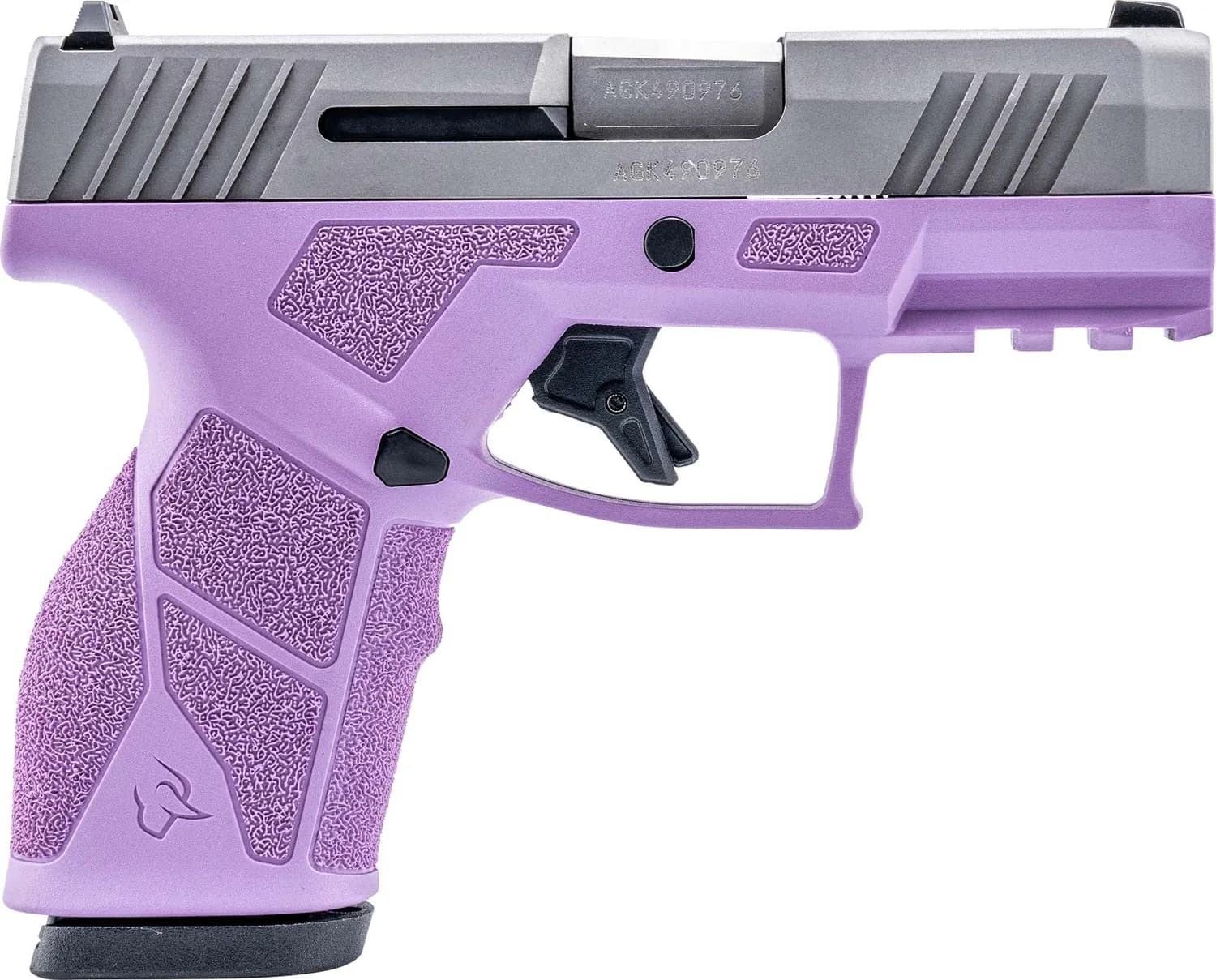
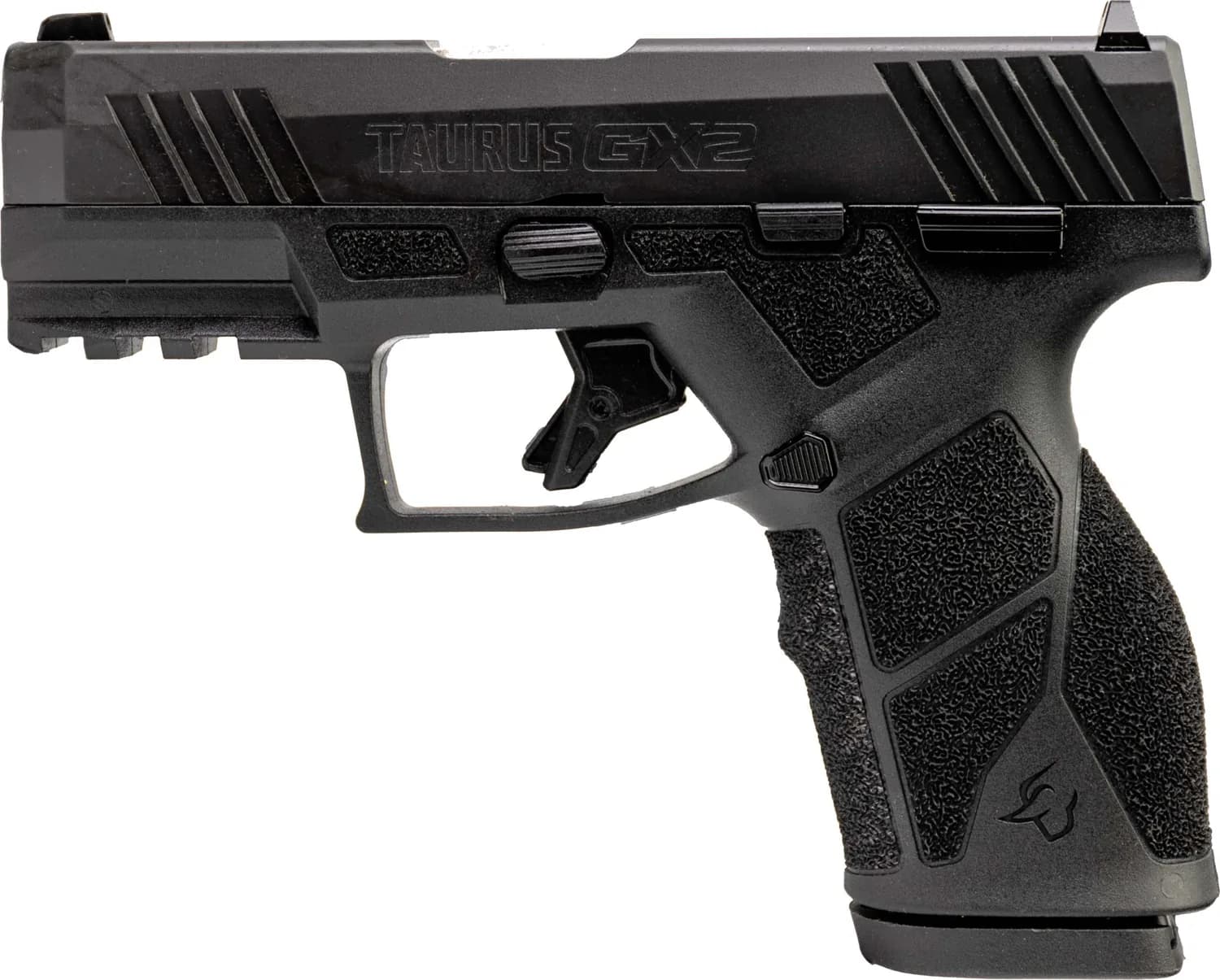
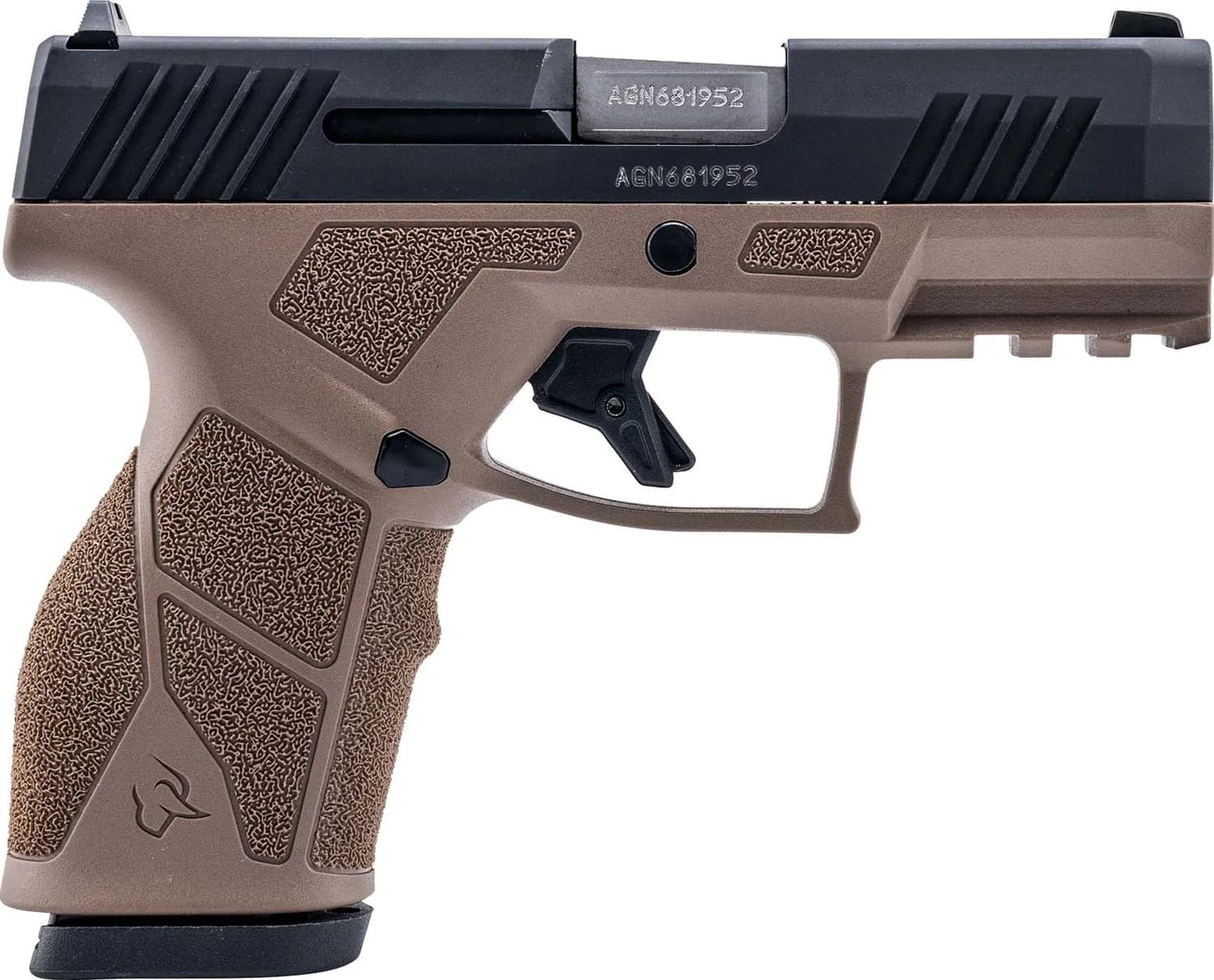
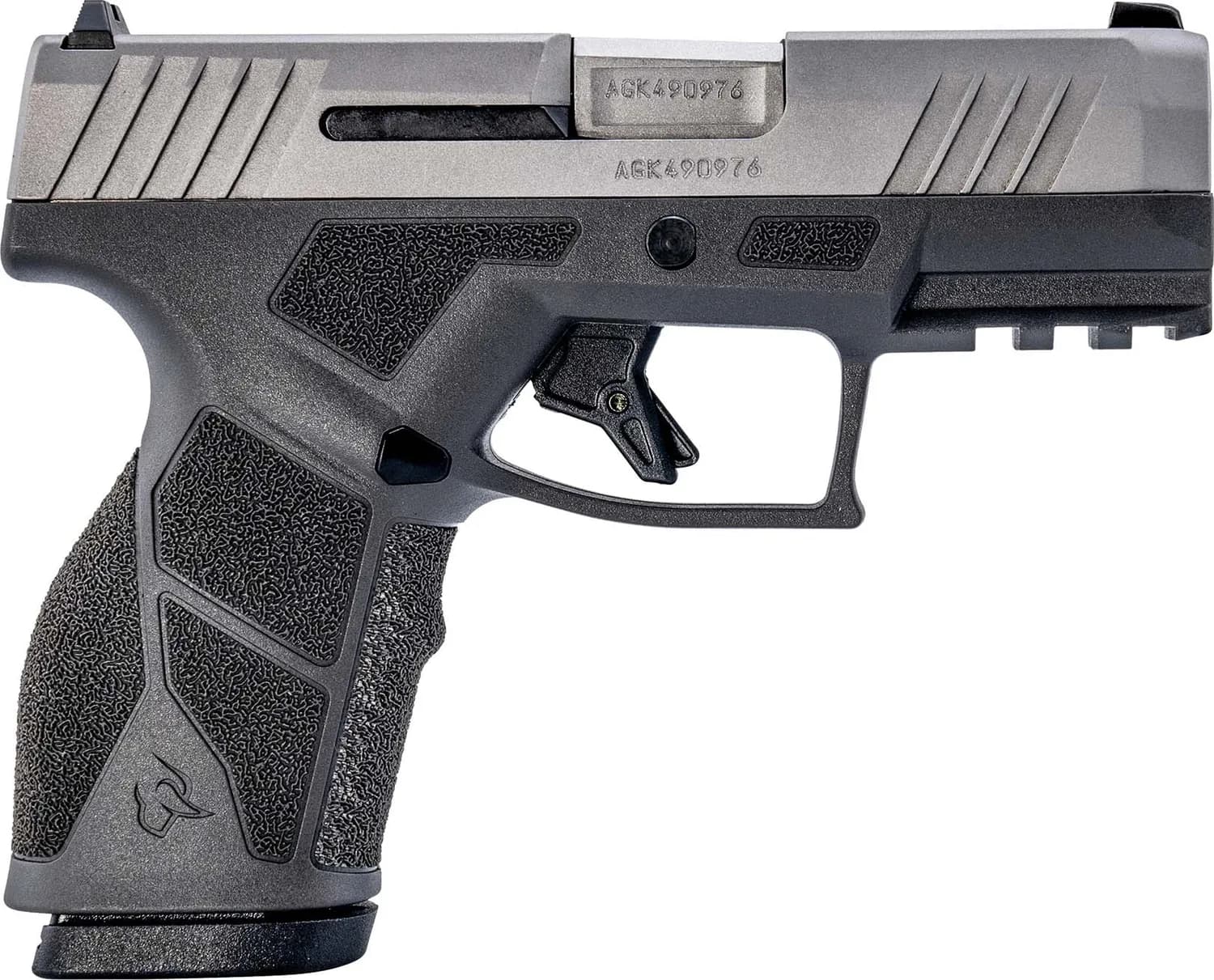
Buy from Impact GunsThe Taurus GX2 arrived as the company’s attempt to consolidate lessons learned from its earlier G-series and GX-series pistols into a compact, full‑feature 9 mm intended for everyday carry. Launched in 2024–2025 with broad dealer availability through 2025, the GX2 slots between the subcompact GX4 and the larger GX4 Carry in Taurus’s lineup — effectively blending higher-capacity double‑stack ergonomics with a smaller overall footprint aimed at concealed carriers who want more capacity and control than many micro‑compacts provide. Early coverage and factory documentation framed the GX2 as an evolution of Taurus’s striker-fired designs, keeping the company’s focus on value while adding refinements like dovetail sights, an accessory rail and a reversible magazine release.
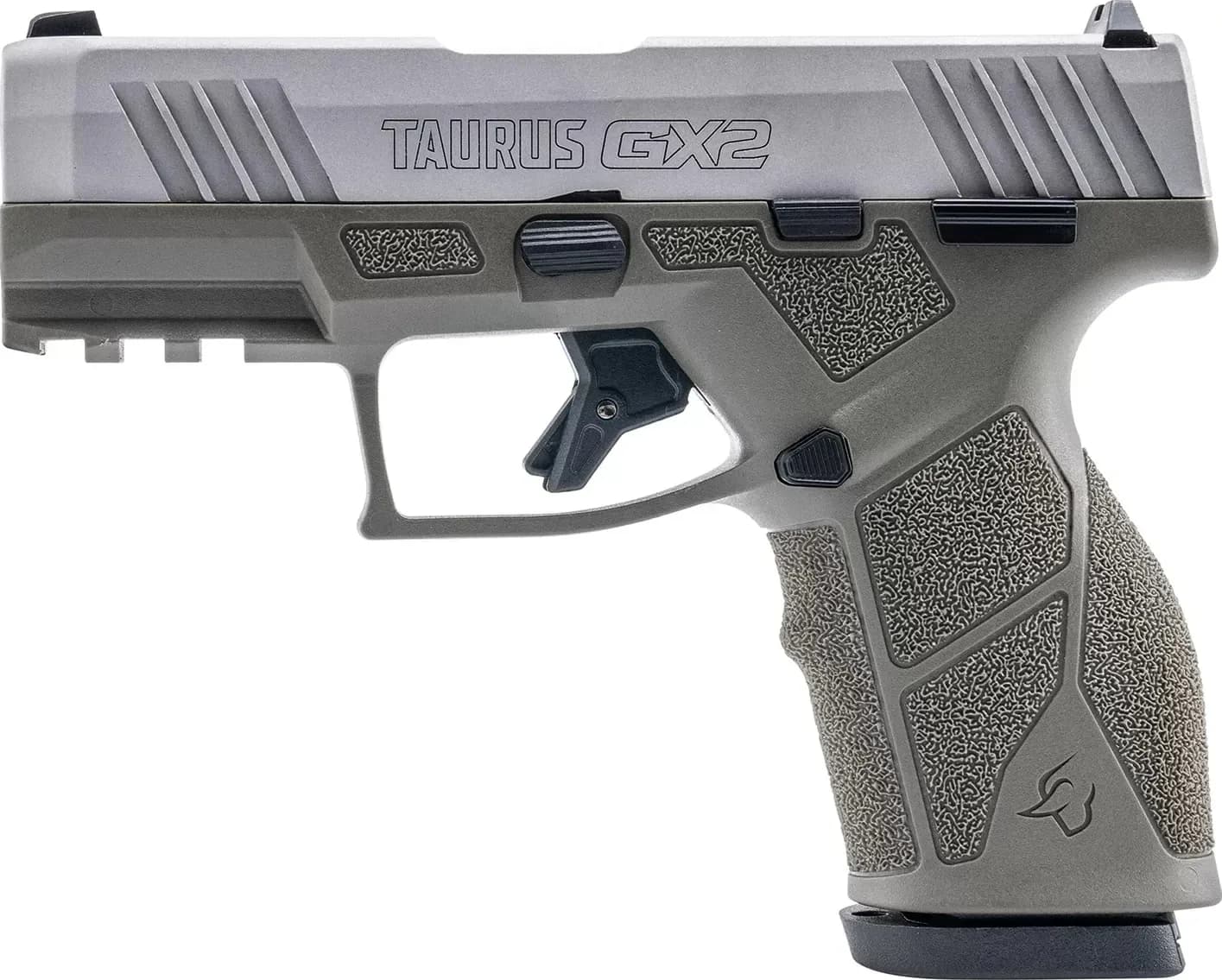
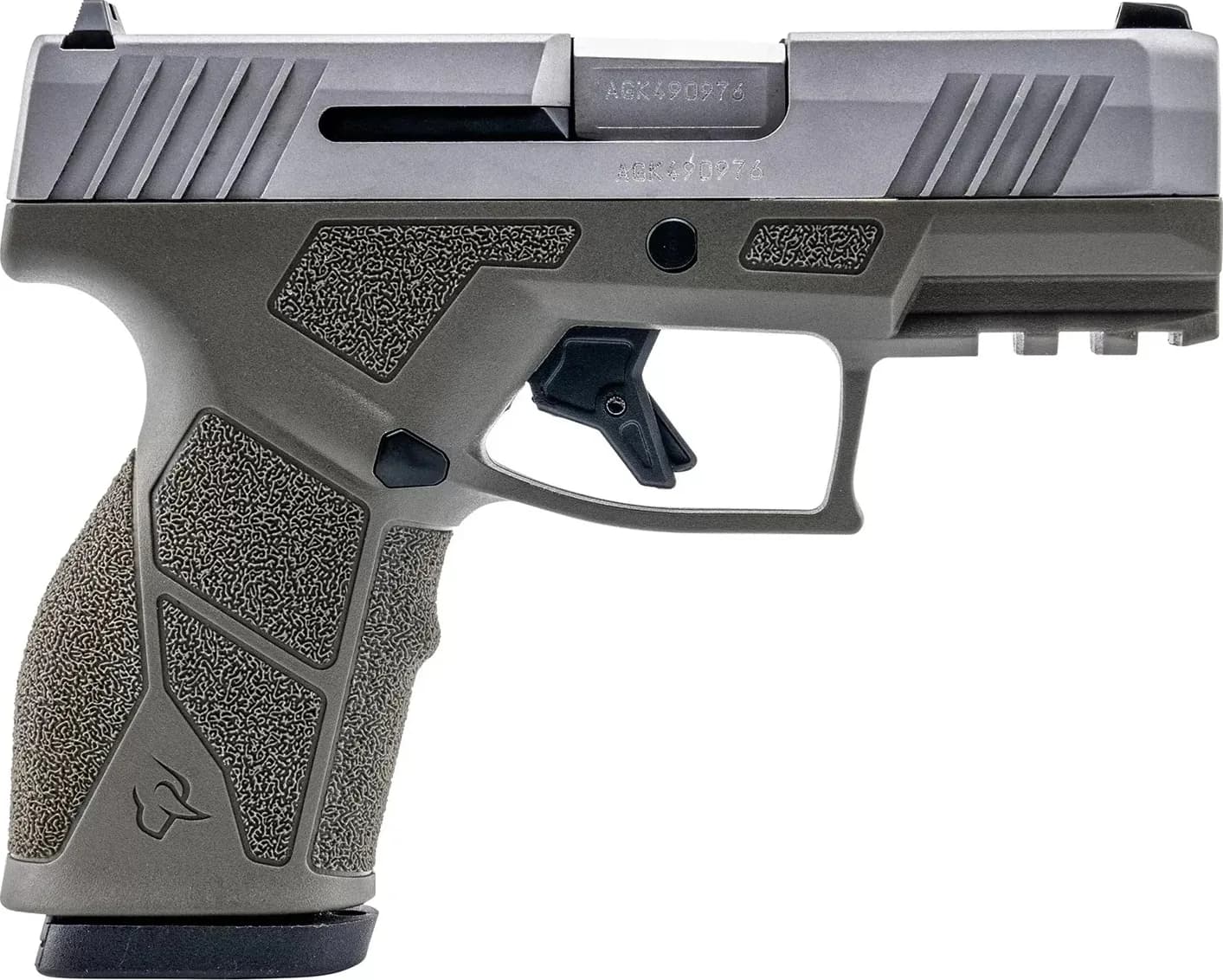
Mechanically the GX2 uses a striker-fired, single‑action‑only firing mechanism housed in a polymer frame with a steel slide and stainless barrel. Taurus’s owner manual lists the platform’s headline dimensions and safety features: a 3.38‑inch barrel, 13+1 capacity, drift‑adjustable rear sight and multiple passive safeties (firing‑pin block, trigger safety and visual loaded‑chamber indicator). The pistol is designed for simple field‑stripping and maintenance, with a captive recoil spring assembly and a takedown lever for tool‑less disassembly.
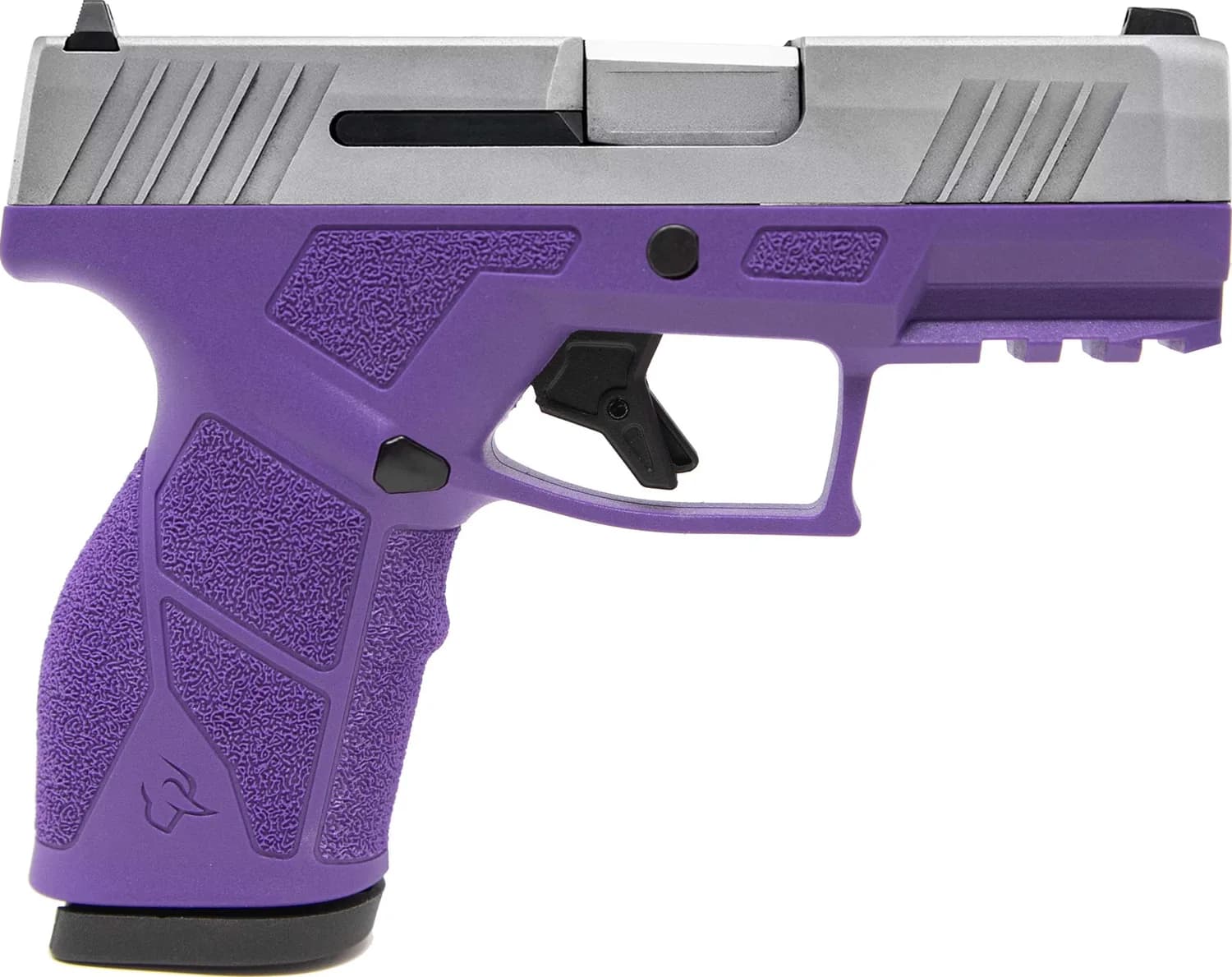
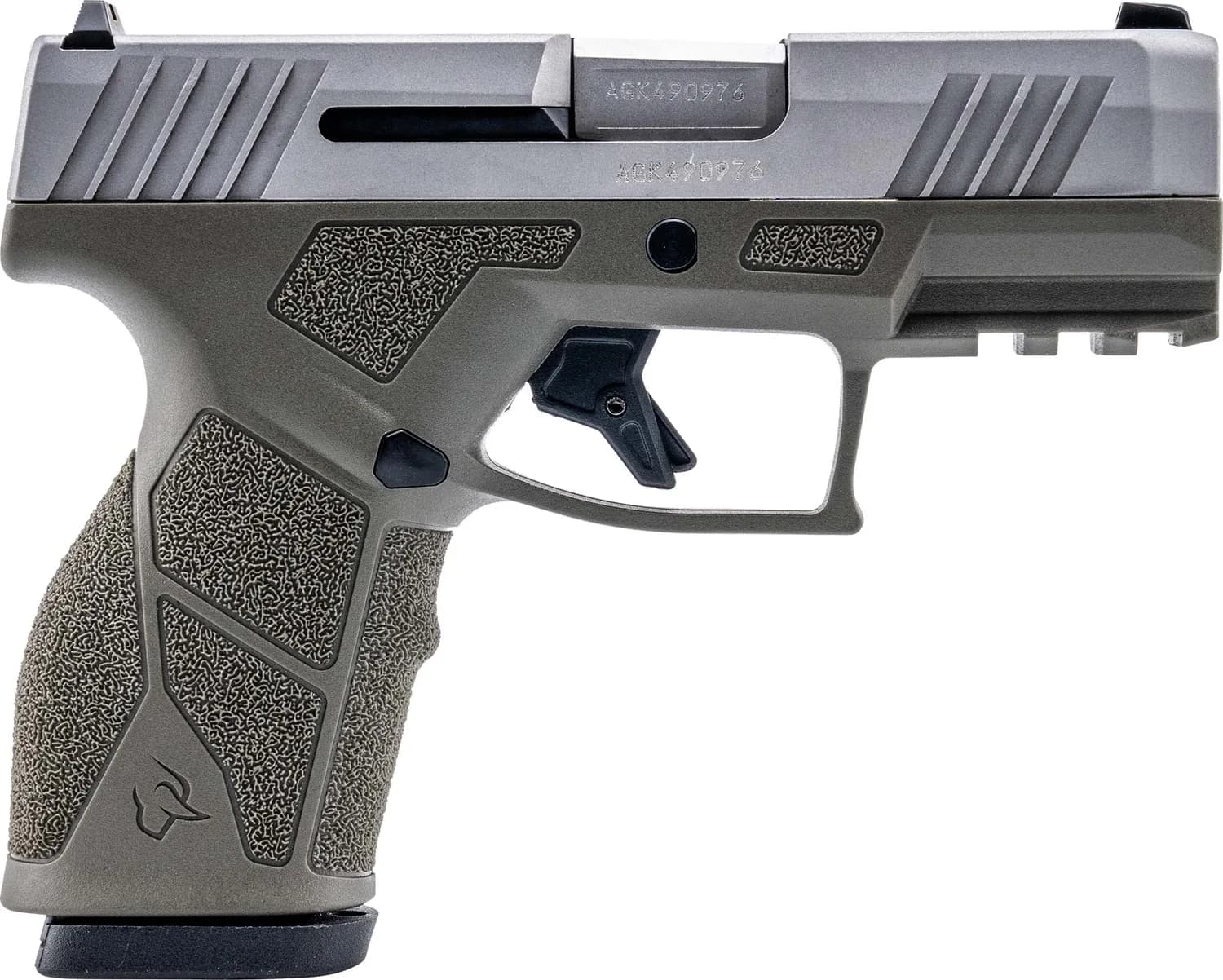
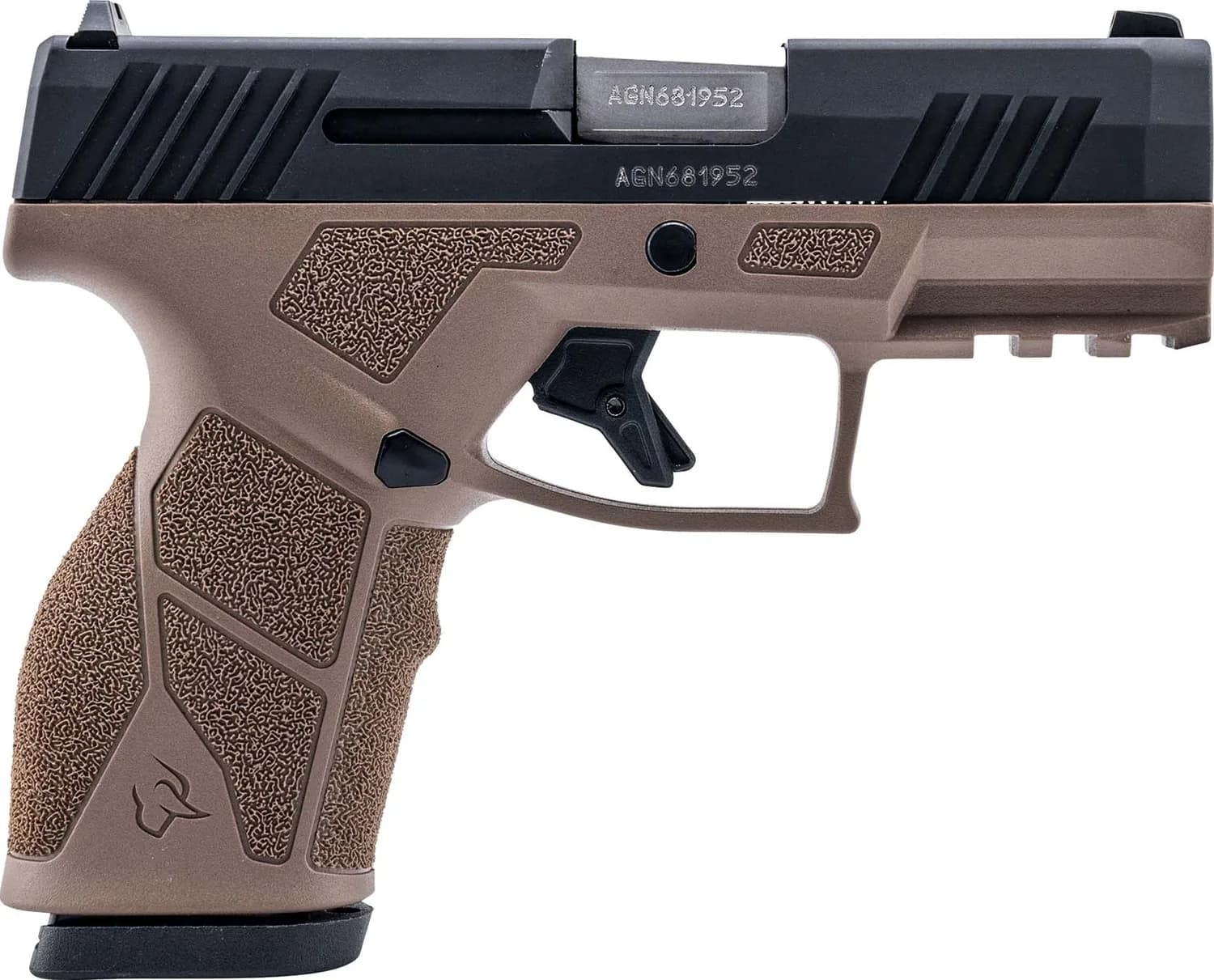
Ergonomics are a clear priority: the GX2’s frame has an undercut triggerguard for a high grip, aggressive but not abrasive stippling on the front strap and side panels, and a pronounced beavertail to protect the web of the hand from slide contact. Controls are arranged in familiar positions, and Taurus added a small, thumb‑operated manual safety for shooters who prefer one. The slide sports deep front and rear serrations for positive manipulation; a three‑slot Picatinny rail on the dustcover accepts lights or lasers. Several reviewers noted that the GX2 was designed to accept common aftermarket Glock‑style sights, simplifying sight upgrades.
Independent range testing and editorial reviews paint a consistent picture: the GX2 performs well for its class. Evaluators who put several hundred rounds through test samples reported steady reliability with no chronic failures to feed, fire or eject on properly maintained pistols, and they found the short‑tilt barrel and captive recoil spring delivered a controllable recoil impulse for a compact double‑stack 9 mm. Accuracy from typical defensive distances was described as “good” to “very good” for the platform, with most shooters achieving practical groups at 7–15 yards once sights were properly zeroed.
The trigger is one of the most discussed elements. Reviews describe a clean, non‑gritty break with a relatively distinct wall and a tactile reset. Measured and felt trigger weights reported in professional tests vary; one experienced tester measured roughly a 7‑pound release on his sample, while other reviewers characterized the pull as lighter and crisper than older Taurus G‑series triggers. Across the board, testers praised the reset and consistency even if some preferred a lighter factory pull. That combination — a positive, consistent break and short reset — helps with follow‑up shot speed and practical accuracy.
Durability observations are mostly favorable: the GX2’s construction and finishes are appropriate for routine carry and range use, though a minority of users and early adopters reported cosmetic slide wear or rough machining marks on internal rails in some units. Magazine performance has been generally acceptable, but several range reports and user accounts highlight that the factory 13‑round magazines can be stiff to load at first and, in extremely dirty conditions, followers may hang if badly contaminated — issues that are correctable with maintenance, mag springs/break‑in, or aftermarket magazines.
The GX2 is squarely aimed at concealed‑carry and personal protection use while retaining enough capability for range duty and basic training. Its 13+1 capacity in a compact footprint makes it a compelling option for carriers who want more rounds than the smallest micro‑compacts without stepping up to a full‑size service pistol. The manual safety and relatively deliberate trigger pull make the GX2 attractive to new shooters who value an extra mechanical step, while the textured grip and modest recoil impulse suit shooters who prioritize fast follow‑ups and controllability.
Limitations are equally practical: the slide is not cut for optics on the base model, which will disappoint users committed to red‑dot carry without buying an aftermarket slide or an optics‑ready variant. The 13‑round flush magazines provide a compact profile but some users will prefer extended baseplates for additional purchase. Finally, while most editorial testing shows acceptable longevity, owners who expect mirror‑like finishes under heavy use should be aware that some finish wear has been reported over time.
Value is the GX2’s principal market argument. It packages modern features — textured ergonomic frame, dovetail sights, an accessory rail, reversible mag release and a striker‑fired single‑action trigger feel — at a price point that undercuts many mainstream compact 9 mm offerings. Reviewers repeatedly frame the GX2 as a pragmatic choice for buyers who want contemporary ergonomics and capacity without paying a premium for a marquee brand. In function and role it competes most directly with compact double‑stack pistols such as smaller variants from the G‑series competitors and certain compact models from other major manufacturers; compared with those peers the GX2 often overdelivers on features for the cost while sometimes lagging slightly in finish refinement or initial magazine break‑in feel.
Reputationally, the GX2 benefits from Taurus’s recent run of iterative improvements to its polymer striker platforms; conservative reviewers note that quality control and early‑production variance remain things to check when purchasing, but the consensus among tested samples is that Taurus has narrowed the gap between budget offerings and more expensive compact 9 mm pistols. That combination of features, ergonomics and pragmatic performance places the GX2 as a credible, value‑oriented option for shooters focused on concealed‑carry utility and straightforward range performance.
Start with a practical guide if you want a faster way to narrow the field before comparing specific models.
Learn how to choose the right 9mm handgun based on size, budget, and how you plan to use it.
Read guideCarry-focused shoppersLearn how to choose the right concealed carry handgun based on size, comfort, safety, and everyday usability.
Read guideComparison-focused shoppersA practical guide to comparing handguns the right way: what actually matters, what to ignore, and how to use comparison tools effectively.
Read guide