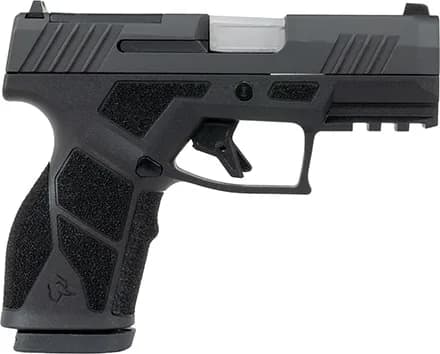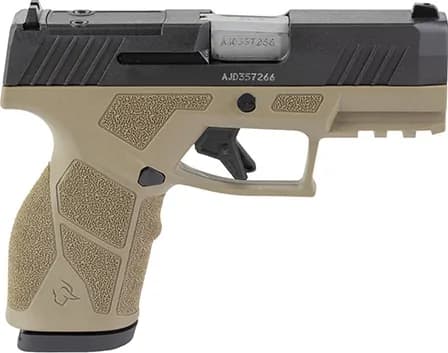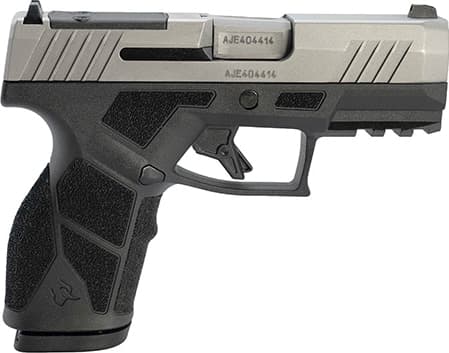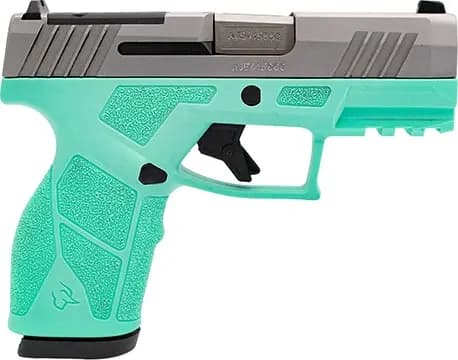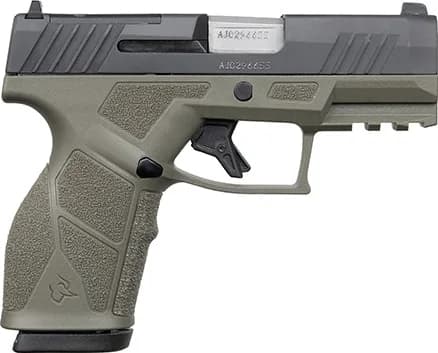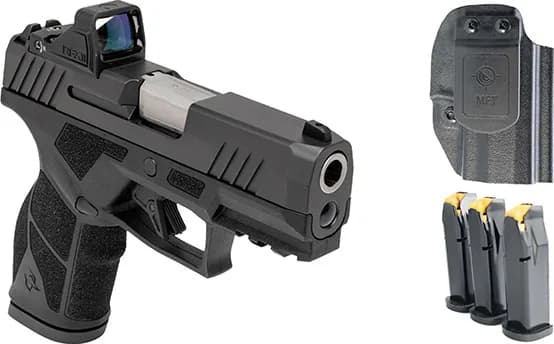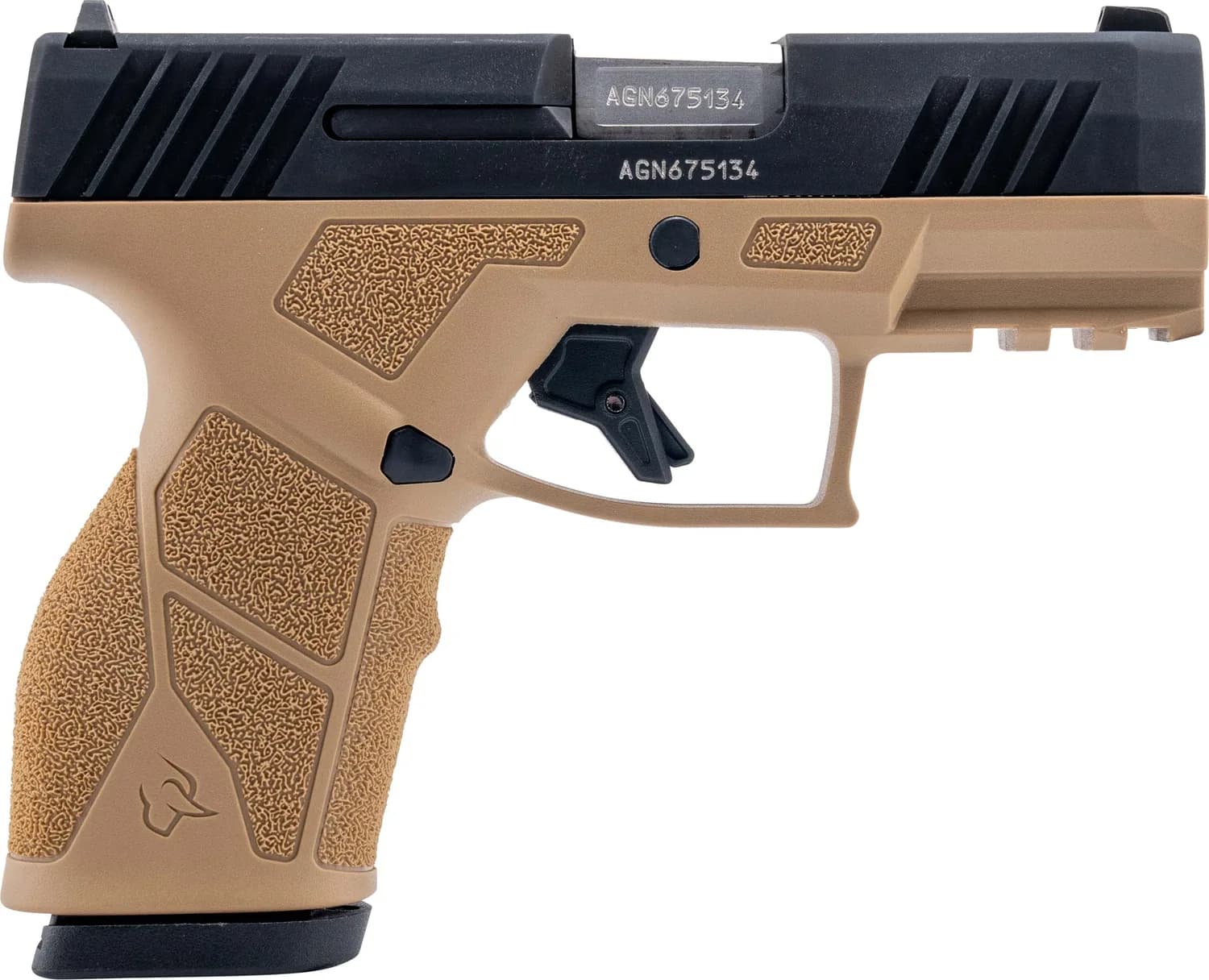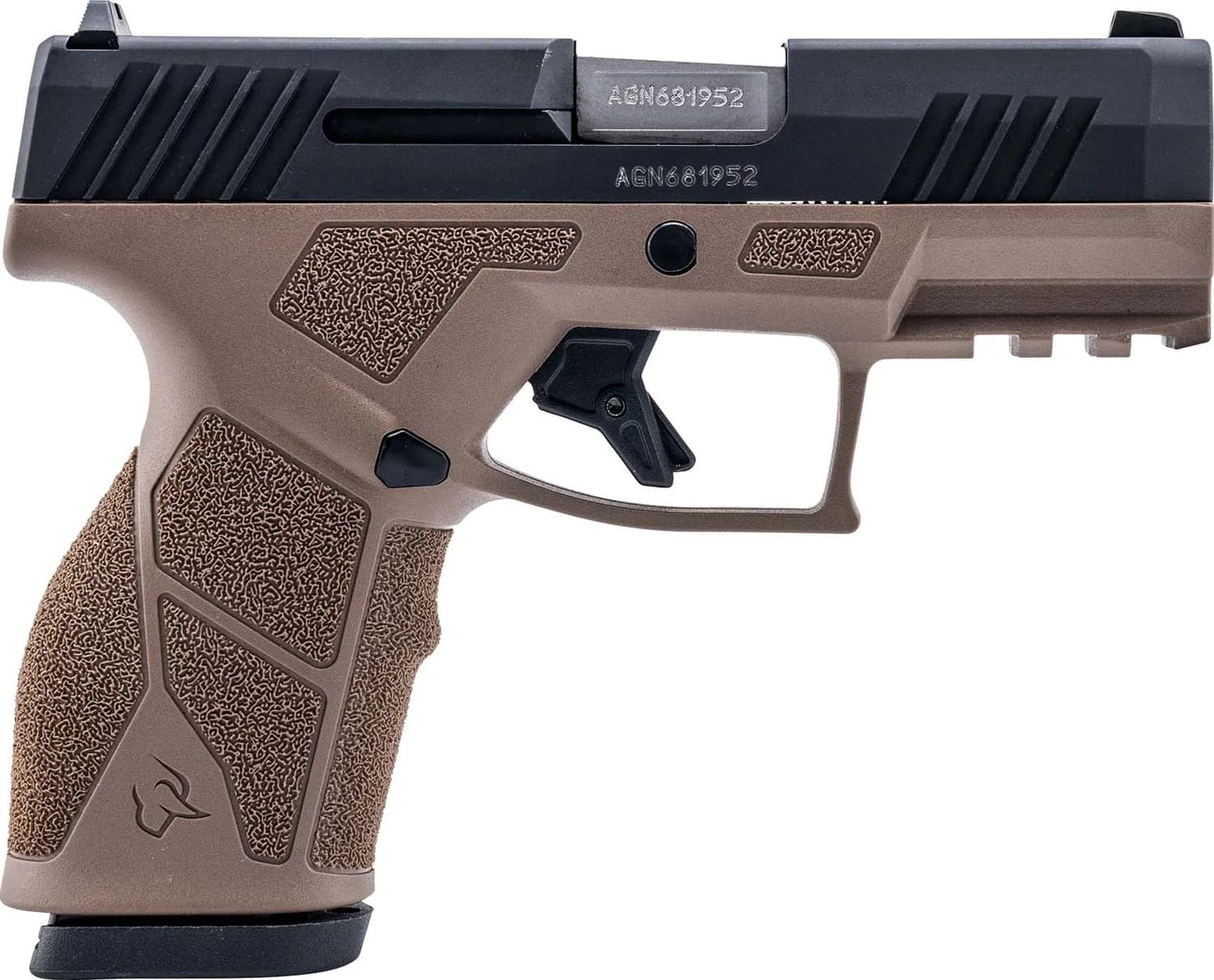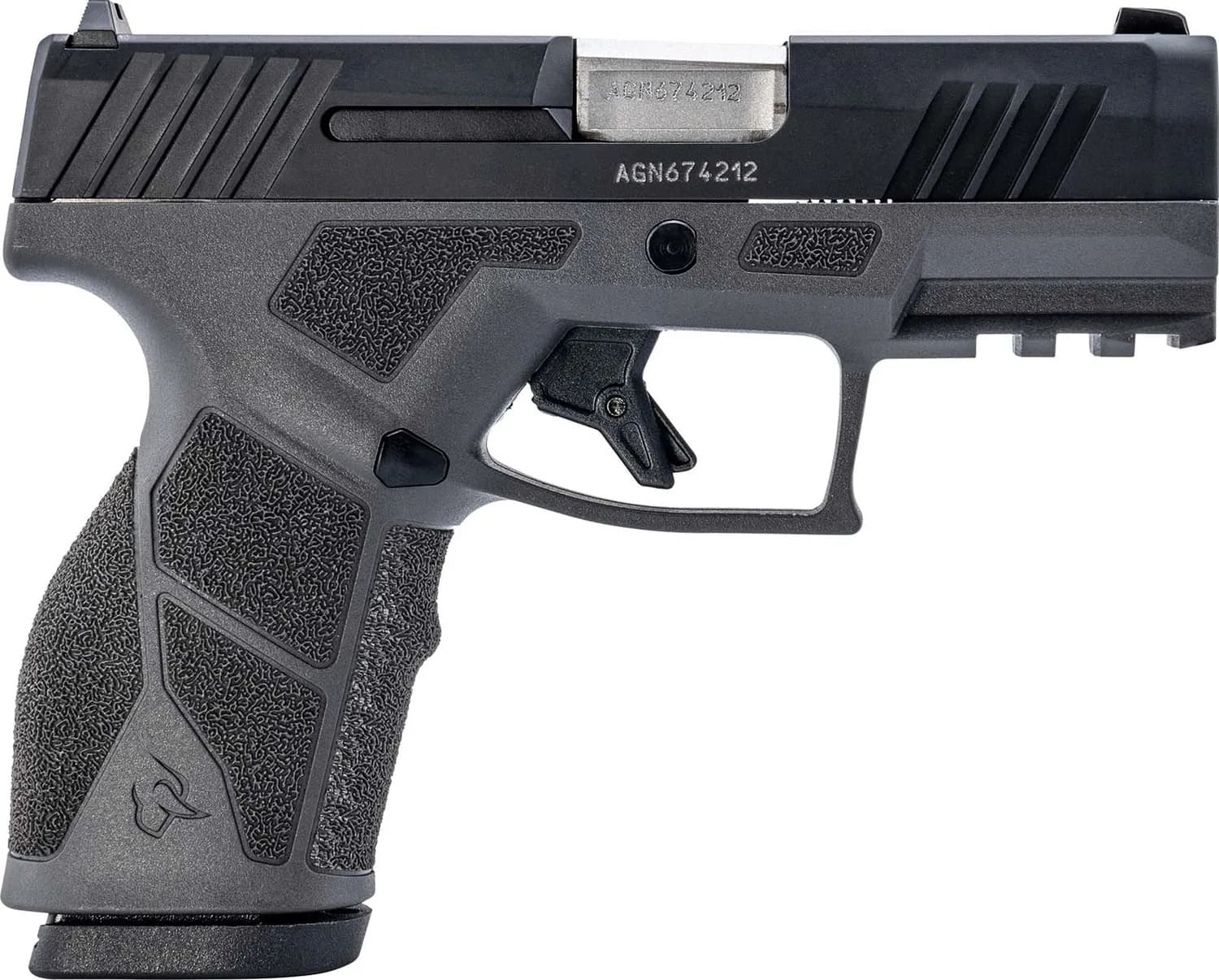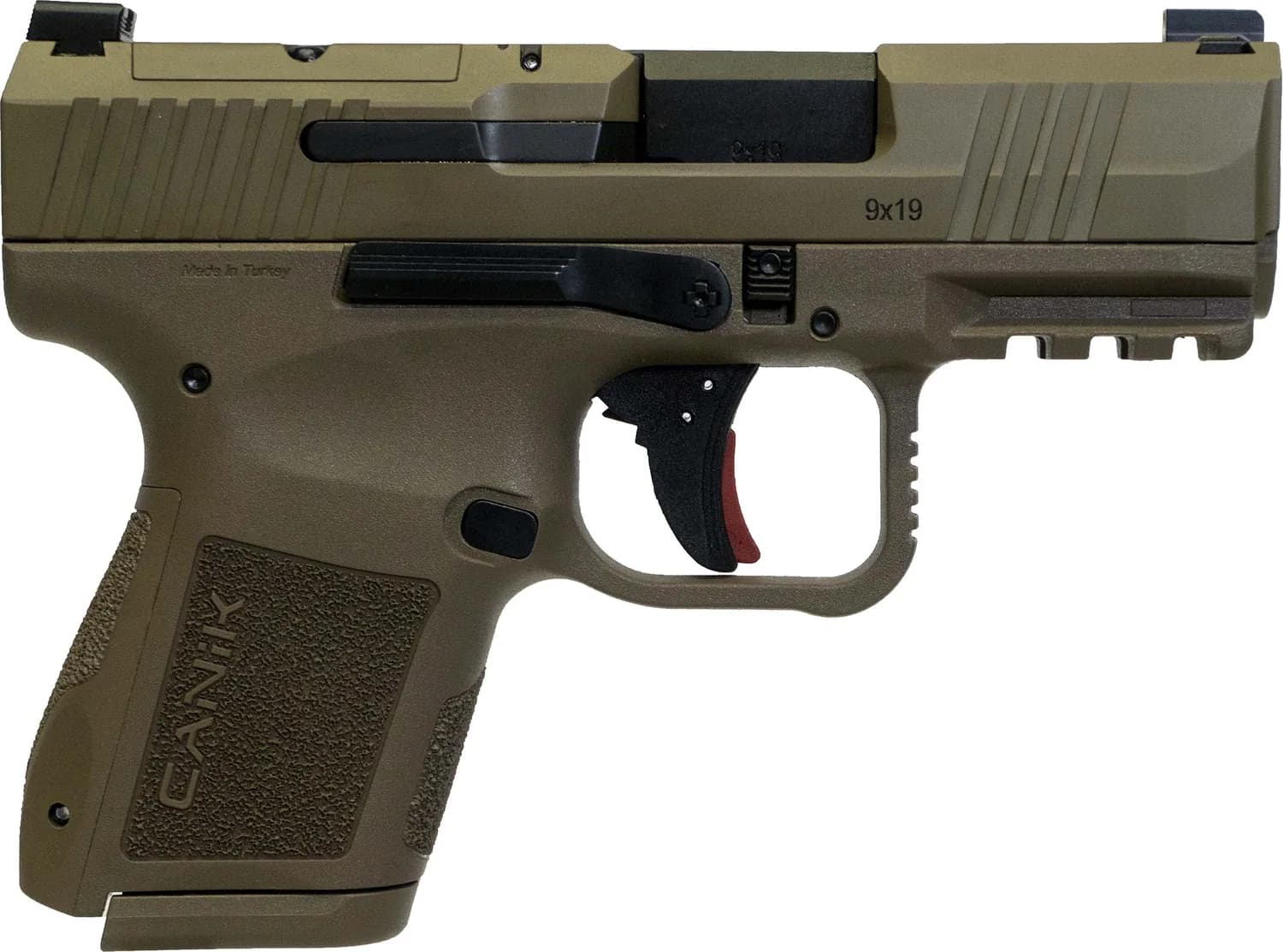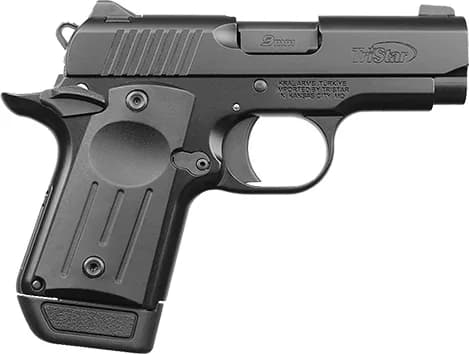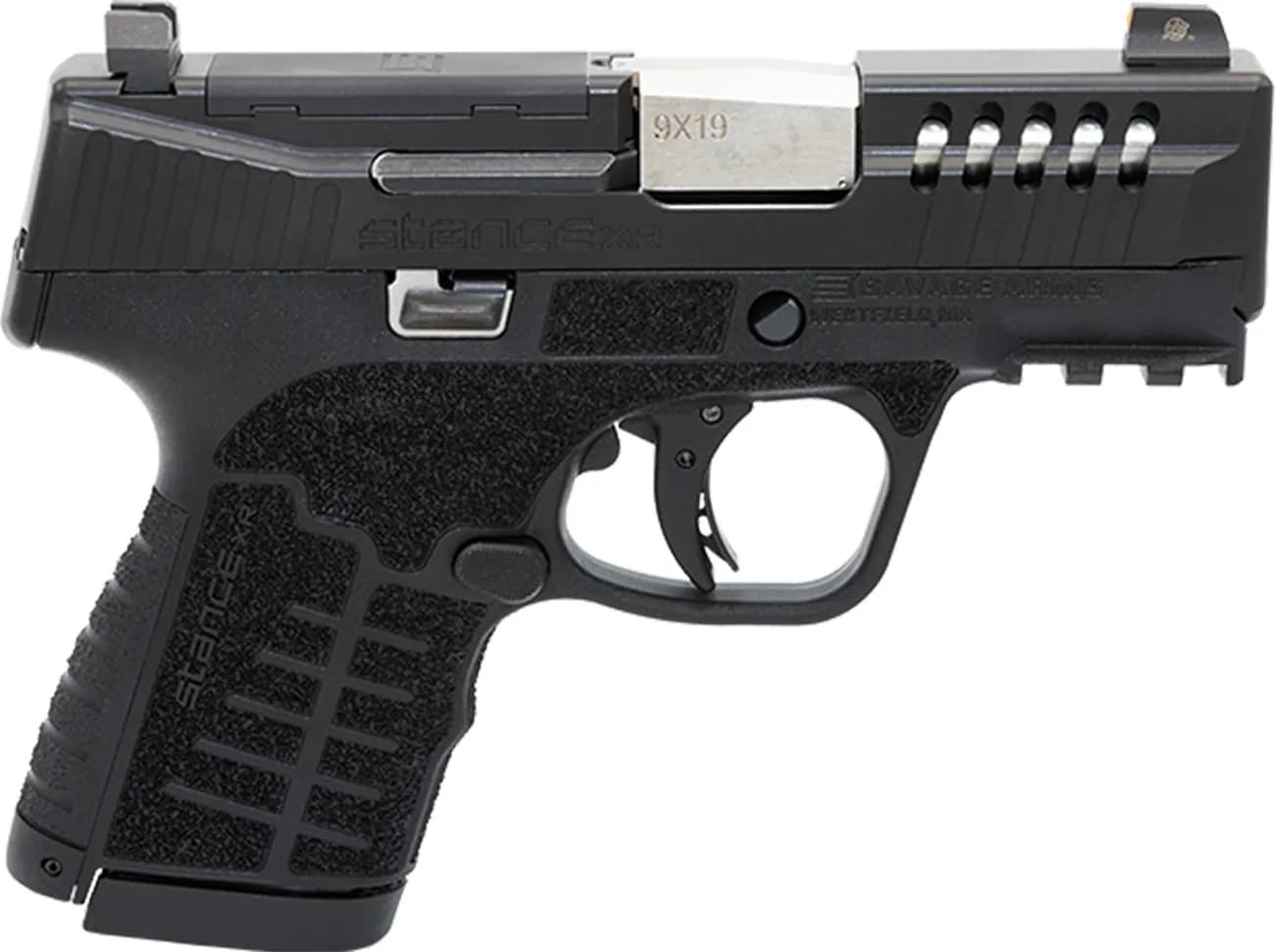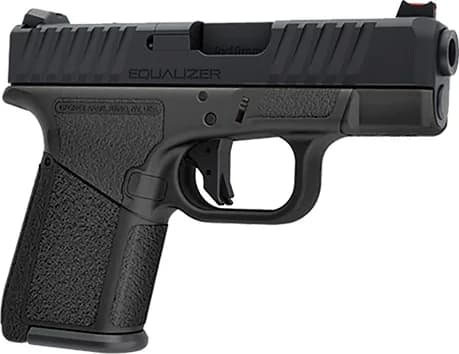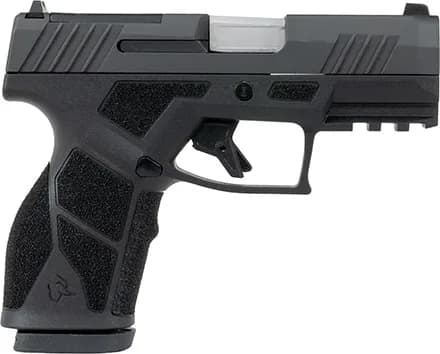
Textured Grip, Picatinny Rail, Sharpshooter Barrel, T.O.R.O
Taurus introduced the GX2 as a compact, budget-focused entrant into its growing GX family in late 2024 and early 2025, positioning it between the micro-compact GX4 and the larger G3/G3C lines. Early press coverage and dealer previews in January 2025 described the GX2 as Taurus’ attempt to take the ergonomics and feature set that made the GX4 popular and deliver them at a lower price point while adding a few conveniences—most notably a toolless takedown lever and a stainless-steel internal chassis. Reviews at launch framed the GX2 as a value-driven redesign intended to replace older G‑series models in Taurus’ lineup.
In 2026 Taurus (and outlets covering Taurus’ releases) began shipping a T.O.R.O. (Taurus Optics Ready Option) variant of the GX2. That optics‑ready GX2 TORO retains the basic GX2 platform while providing an optics‑ready slide intended for the small RMSc/RMS family of micro red dots, bringing the red‑dot trend to Taurus’ most affordable compact 9mm. Coverage of the TORO edition describes it as an incremental but meaningful evolution—adding modern sighting capability without otherwise changing the pistol’s intended role.
Mechanically the GX2 is a striker-fired, single‑action‑only 9mm with a 3.38‑inch barrel. Unlike some earlier Taurus budget pistols, the GX2 uses a stainless‑steel internal chassis within a polymer frame; the slide and barrel are steel. The factory sighting package is a front fixed white dot and a drift‑adjustable rear; the TORO variant swaps the plain slide for one cut to accept a micro‑dot while preserving dovetailed iron sights. The pistol also includes a frame‑mounted manual safety, a visual loaded‑chamber indicator and internal safeties such as a firing‑pin block and a hinged trigger safety. These details are reflected in the manufacturer documentation.
Those engineering choices translate into a practical, carry‑oriented chassis. The stainless internal frame gives the polymer receiver a stiffer mounting point for the slide and barrel, which helps with perceived stability and sight tracking. The takedown lever is a deliberate convenience design—removing the need for a tool to disassemble—while the inclusion of a MIL‑STD‑1913 accessory rail on the frame (and the TORO optic cut on the slide) speaks to Taurus’ aim to keep the GX2 compatible with modern carry accessories. Grip geometry and memory‑pad styling borrow from more expensive designs in the lineup, giving the GX2 an immediately usable purchase in vendors’ hands-on testing.
Real‑world handling reflects these decisions: the GX2 is compact, narrow enough to be carried comfortably, and light enough that shooters will notice more muzzle flip than on a full‑size pistol, but the grip shape and high‑cut backstrap allow a positive, near‑full‑hand hold that mitigates that tendency. The slide profile and serrations provide decent purchase for manipulations, and the optic‑ready slide (on TORO models) accepts micro‑dots used by many modern carry setups.
Independent reviews and range tests generally portray the GX2 as a surprisingly capable shooter for its price class. In extended training and evaluation the platform demonstrated consistent feeding and usable accuracy inside typical defensive distances; testers report the pistol is comfortable to run for practice strings and that groups with iron sights are competitive with peer compact 9mms when the shooter is doing their part. Trigger pull is described as a relatively flat, roughly factory‑average break for a budget striker pistol (roughly in the mid‑to‑high single digits by feel), with a positive reset suitable for follow‑up shots.
That said, community feedback is more mixed than the glossy review pages: some owners report long‑term hardware and magazine issues on a subset of early examples, and forum threads document buyers exchanging magazines or working with warranty service. Established reviewers who ran significant round counts have, however, emphasized that the GX2’s overall reliability and shootability compare favorably to other entry‑priced carry pistols when ammunition selection and basic maintenance are observed. In short: mainstream gun press testing has been positive about accuracy and ergonomics, while user‑community reports have highlighted some variability in long‑term experiences.
Durability over time remains the one area where experienced owners say empirical evidence will be the final arbiter; as an all‑new model introduced in 2025, the GX2’s long‑term track record is still accumulating, though the use of common engineering choices (steel slide and barrel, stainless chassis, and conventional recoil spring architecture) suggests no obvious longevity liabilities in normal service.
The GX2 and its TORO variant are built foremost for concealed carry and personal defense. Its compact footprint, carry‑friendly grip, and feature set (manual safety option, accessory rail, and optics compatibility on TORO versions) make the platform a logical choice for new shooters or budget‑minded carriers who want modern conveniences like a red dot without stepping into higher price tiers. Range use and training are natural secondary roles: reviewers note the pistol is pleasant enough to spend a few hundred rounds through in a session, and its ergonomics encourage proper grip and sight alignment practice.
Limitations are those typical of compact double‑stack 9mms: lighter, shorter guns produce snappier recoil than duty‑size pistols, and users expecting a match‑grade trigger or long‑range precision will find those expectations better satisfied in larger, more expensive platforms. Additionally, because the GX2 is designed to be affordable, some buyers may prefer to inspect magazines and perform break‑in work to ensure long‑term reliability. Community chatter shows that early adopters sometimes replaced or upgraded magazines and sights as a matter of course.
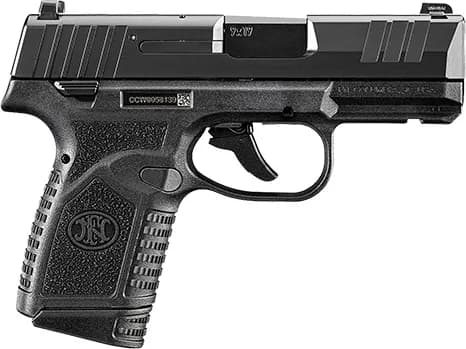
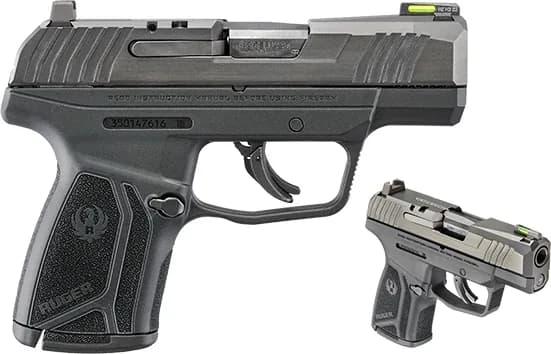
The GX2 competes squarely against the value end of the compact 9mm market—guns that aim to provide modern carry ergonomics and capacity at an aggressive price point. Compared with micro‑compact leaders and near‑compacts (examples cited in press coverage include models from established makers that popularized the double‑stack‑mini format), the GX2’s strengths are its feature set (stainless chassis, takedown lever, optics‑ready option) and its accessibility. Reviewers frame Taurus’ strategy as offering carry‑centric features that used to be reserved for higher‑cost models, while the TORO option narrows the gap to optics‑ready offerings from other manufacturers.
Value‑conscious buyers will see the GX2 TORO as an important development: it provides an optics‑ready slide on a traditionally low‑cost platform, meaning red‑dot carry is attainable without stepping up to a markedly more expensive pistol. Reputation‑wise, Taurus continues to contend with a perception challenge: although press reviews have been favorably inclined toward the GX2’s shootability and ergonomics, community experiences are mixed enough that prospective buyers should evaluate sample pistols where possible and follow basic break‑in and magazine inspection practices before committing to carry.
The GX2 TORO is not a reinvention of the carry pistol; it is, instead, a refinement—bringing optics capability and a few practical upgrades to a compact, affordable platform. For shooters seeking a modern, low‑cost carry gun with an optics option, it represents a noteworthy entry in the segment.
Start with a practical guide if you want a faster way to narrow the field before comparing specific models.
Learn how to choose the right 9mm handgun based on size, budget, and how you plan to use it.
Read guideCarry-focused shoppersLearn how to choose the right concealed carry handgun based on size, comfort, safety, and everyday usability.
Read guideBudget-minded buyersLearn how to find a reliable handgun under $500 without wasting money or compromising on quality.
Read guide