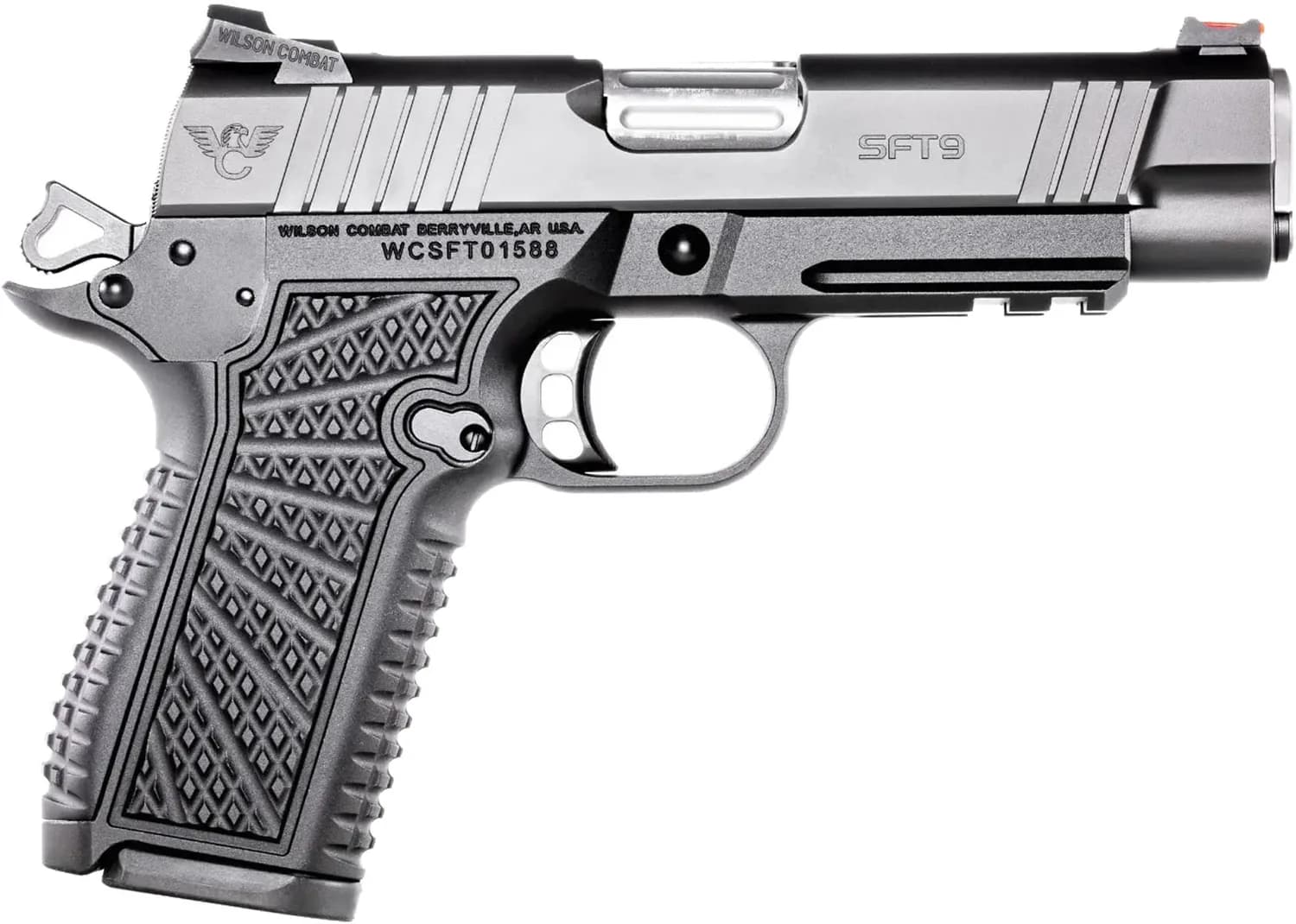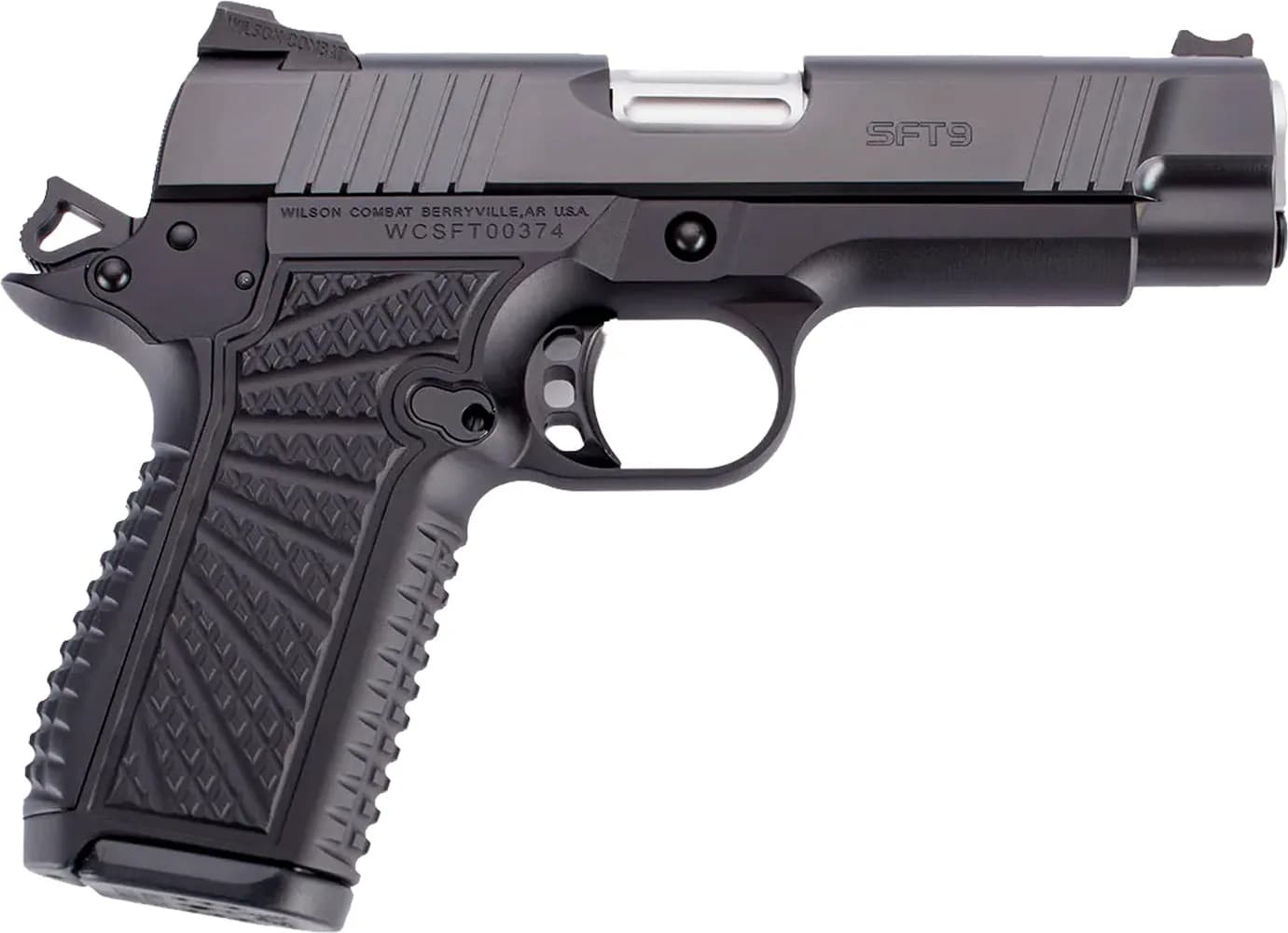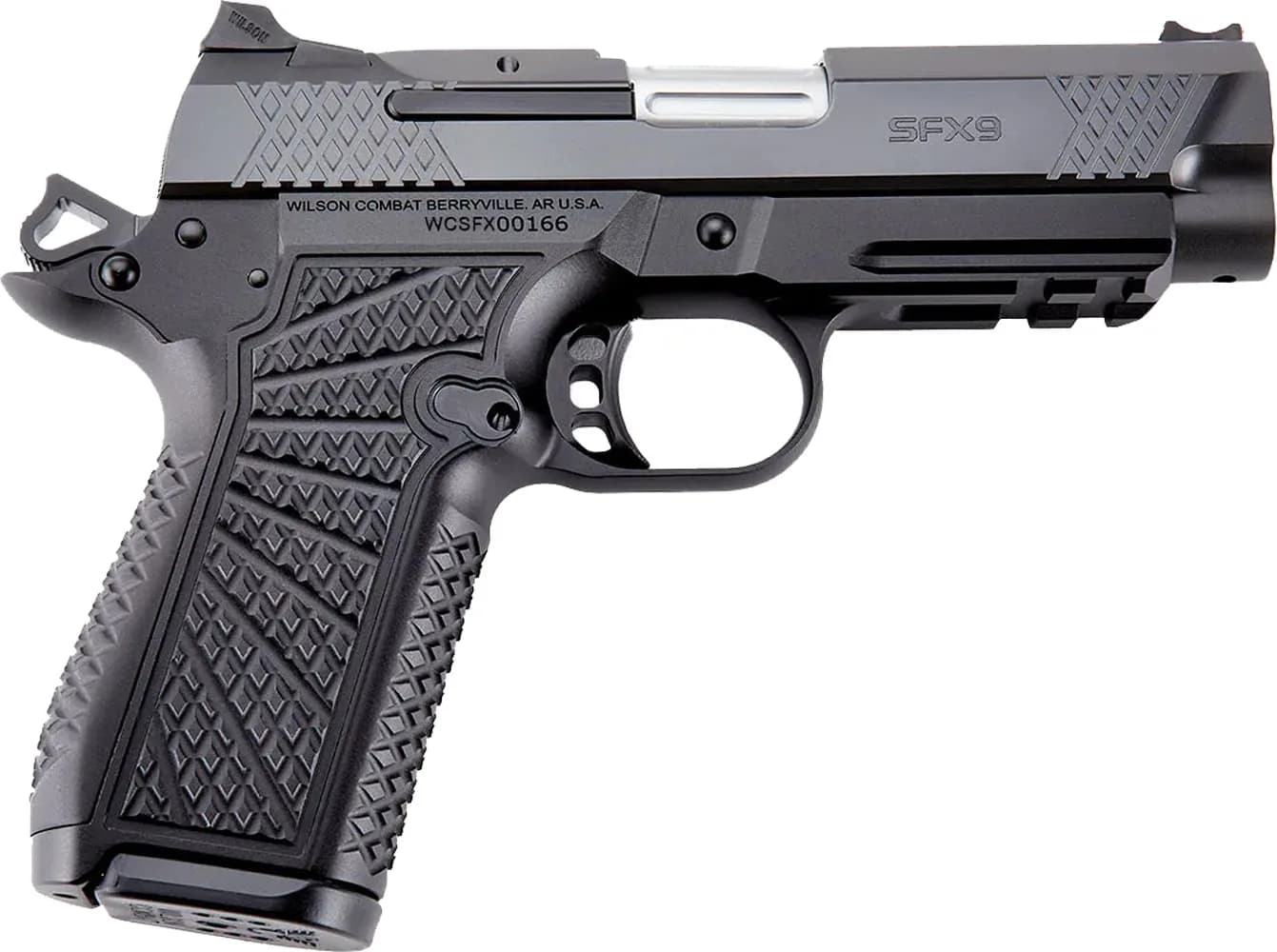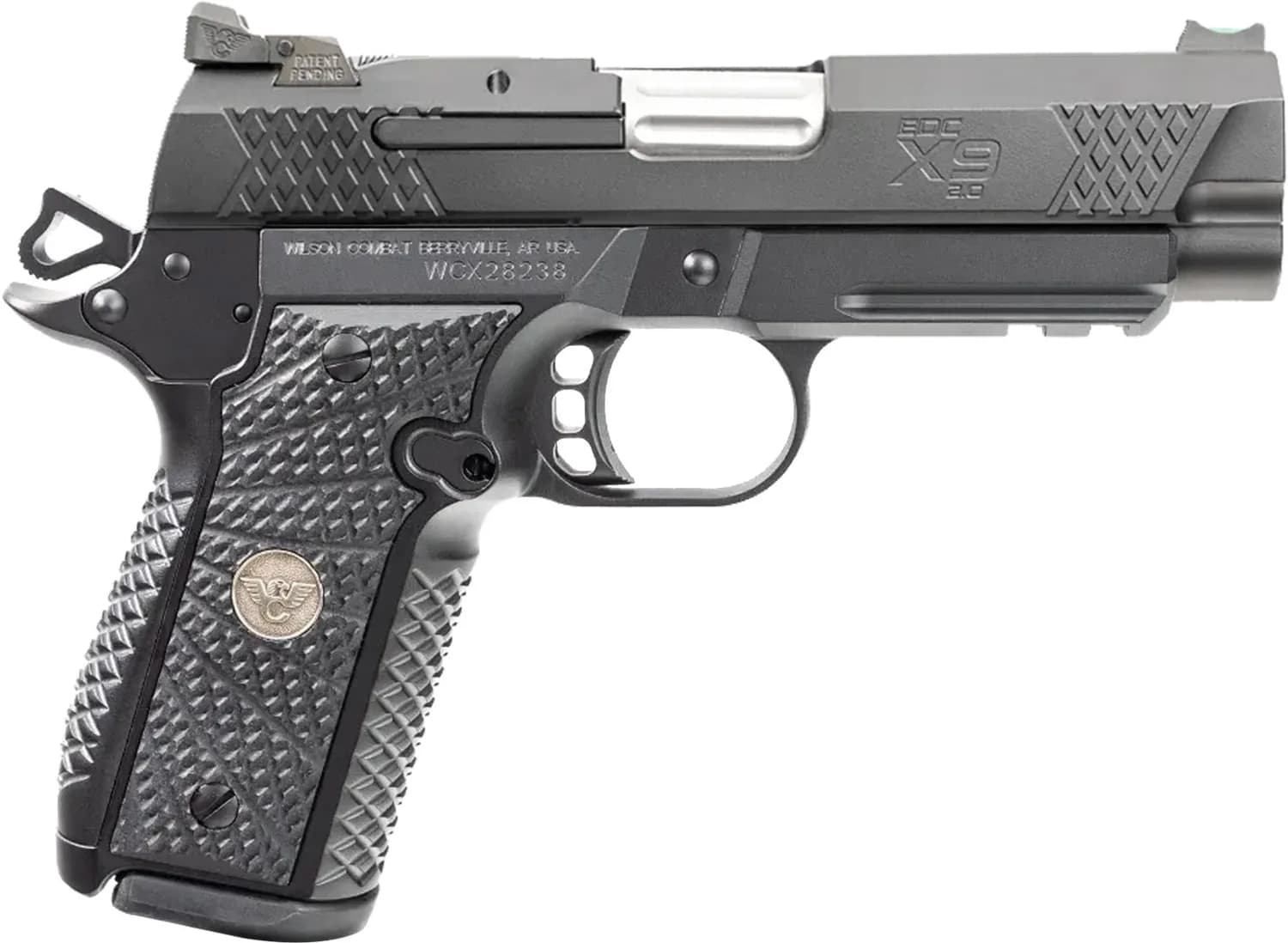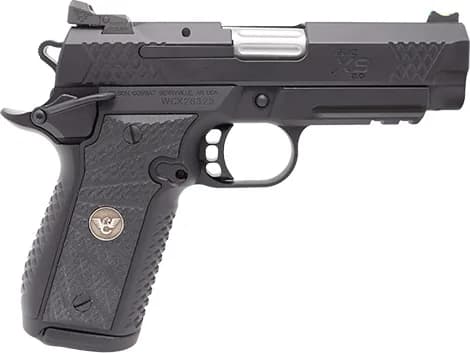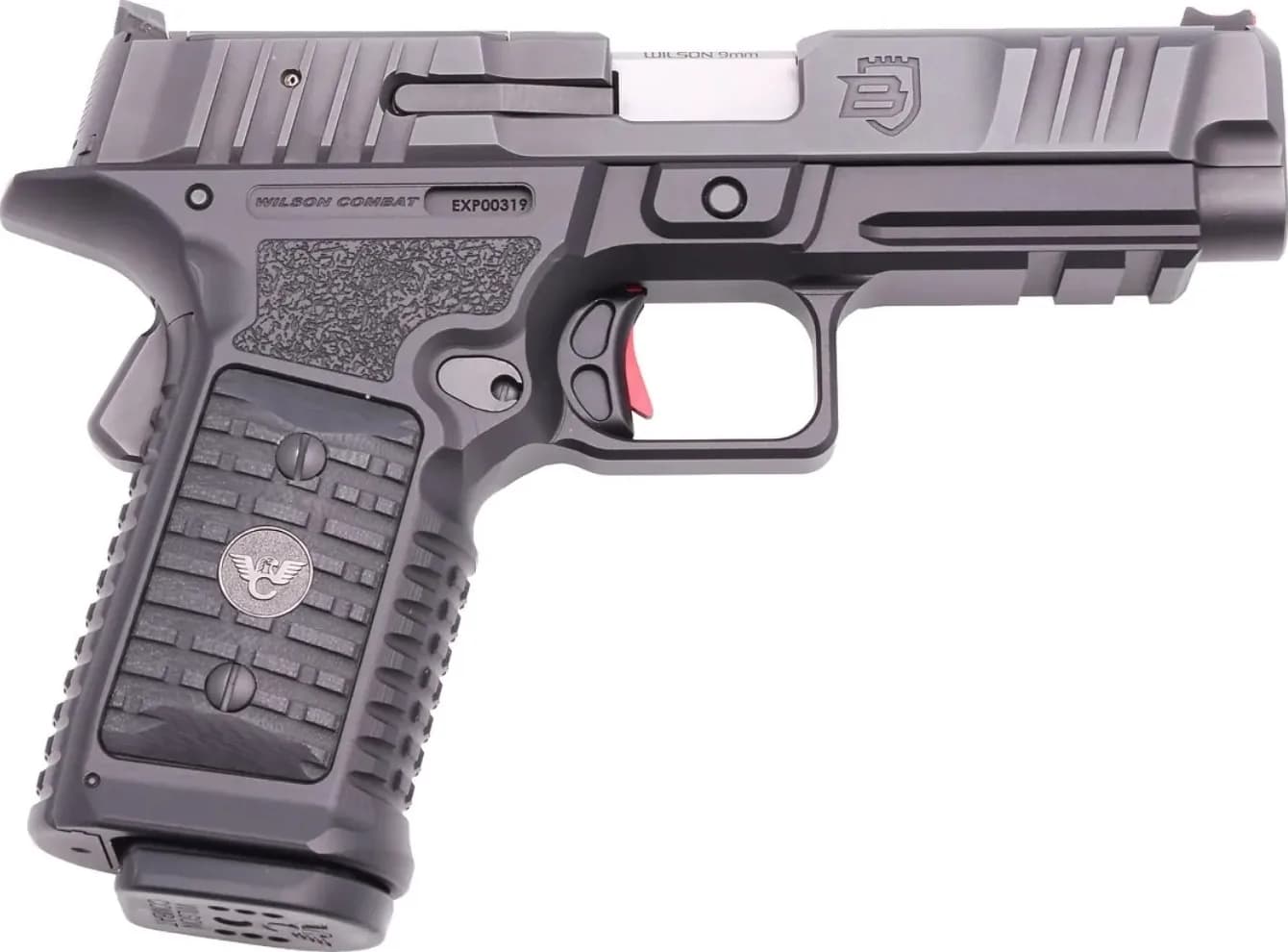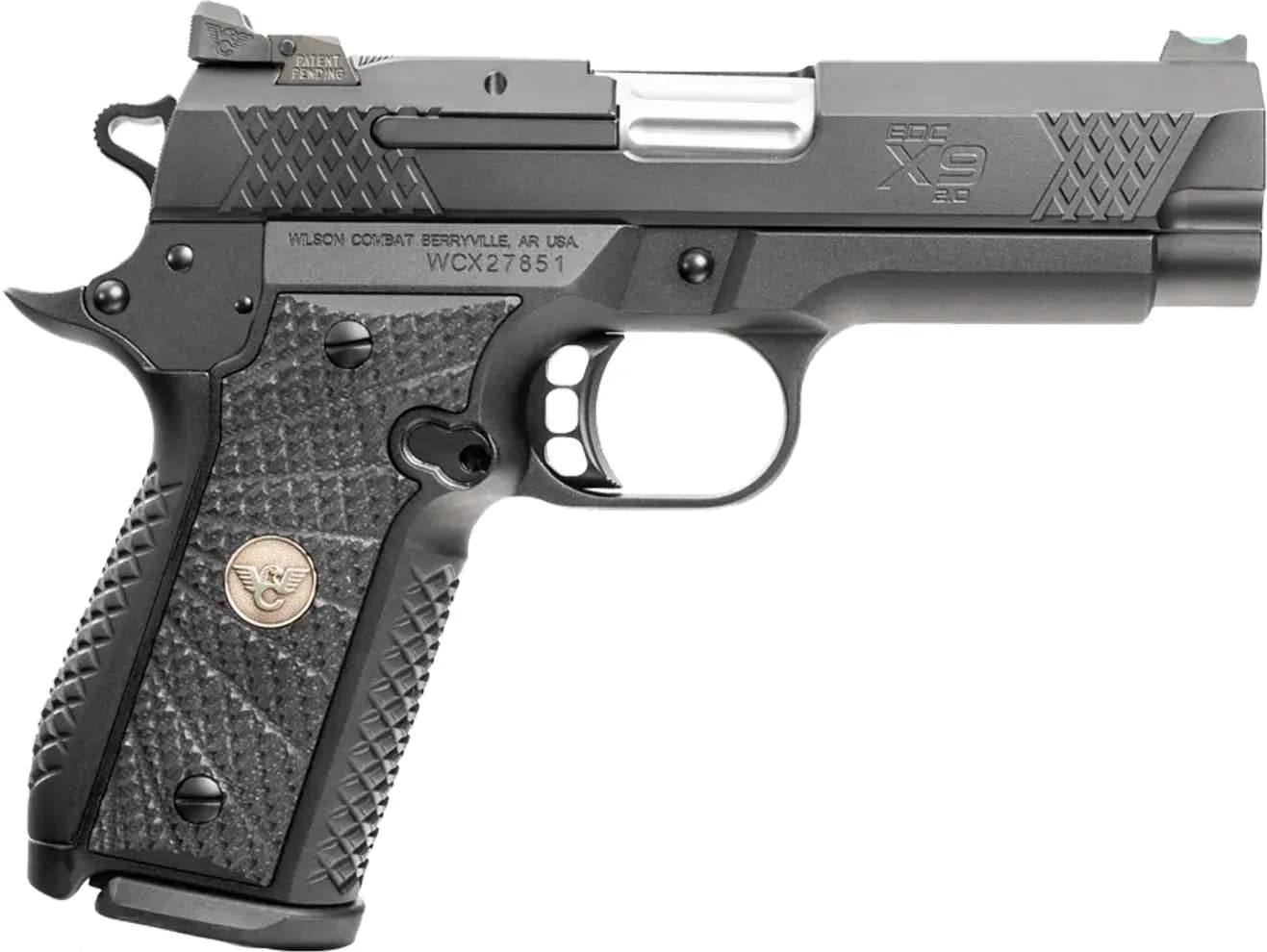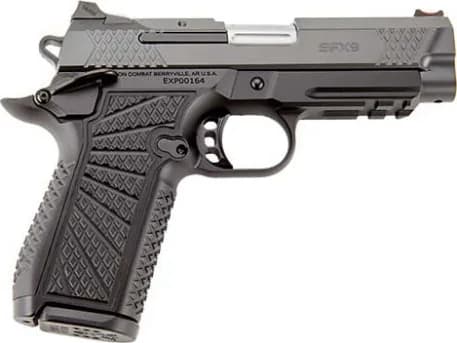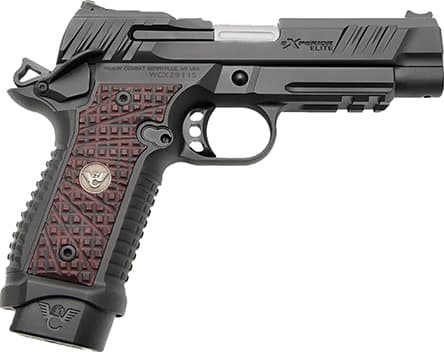
Medium Length Trigger, Light Rail, G10 Trak Grip, Wilson Combat Pin Technology Optic Cut
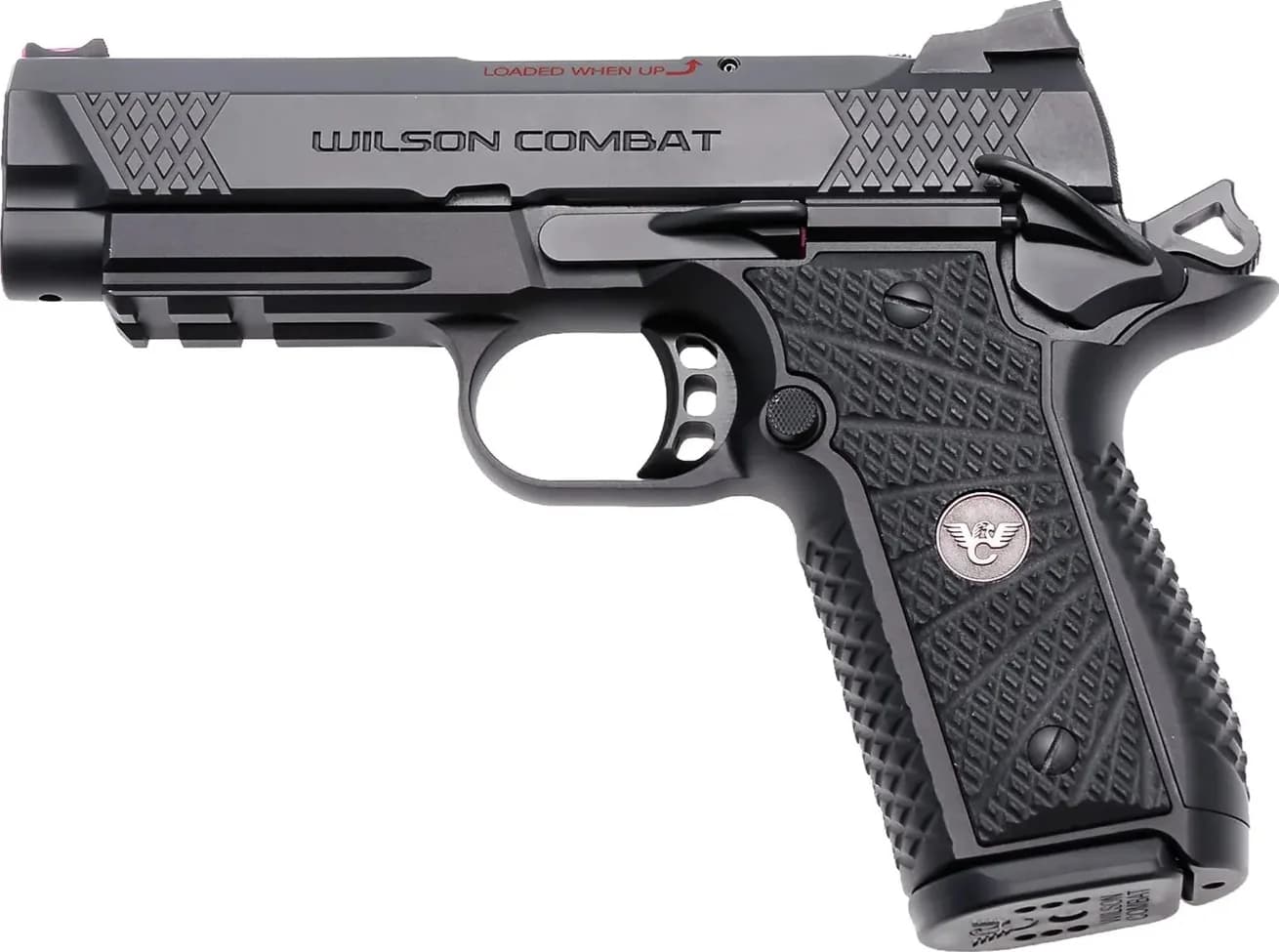
When Wilson Combat announced the eXperior Elite Commander Double Stack in spring 2026 it was presented as the latest iteration of the company’s efforts to marry classic 1911 ergonomics with high-capacity, modern defensive features. The pistol builds on Wilson’s recent double-stack 1911 family—an evolution of the X9/Experior lineage—positioning a Commander-length slide and barrel over a high-capacity aluminum frame to create a compact, carry-capable 9 mm that still feels like a Wilson 1911. The launch was covered by multiple industry outlets as a deliberate move to extend Wilson’s premium double-stack catalog into a more compact footprint while keeping the maker’s familiar feature set.
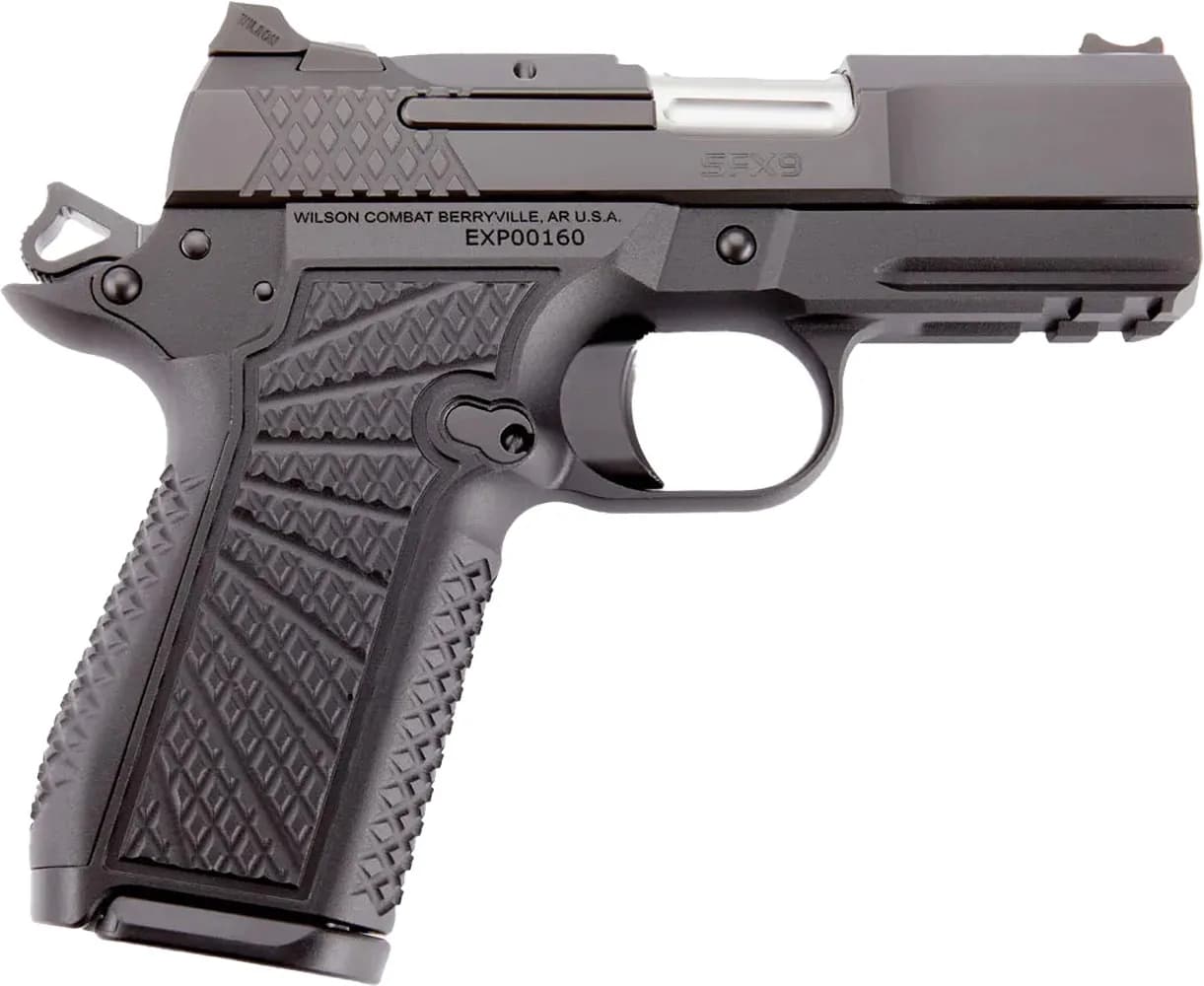
The eXperior Elite Commander is built around a 4.25‑inch match-grade stainless bull barrel and a Tri‑Top slide; Wilson says those elements, combined with dual locking lugs and a flush-cut reverse crown, are why the pistol carries a 1.5‑inch accuracy guarantee at 25 yards. The pistol’s aluminum frame is updated for double‑stack magazines and integrates a light rail and a flared magwell, which shortens reloads and tames felt recoil by adding mass low and forward. TRAK texturing on the frontstrap and backstrap and removable G10 Starburst panels give a firm purchase without the tearing aggressiveness some competition textures produce. Internally, Wilson uses its “Bullet Proof” components—ambidextrous thumb safety, magazine release and a concealment hammer—alongside a medium‑length trigger pad that the company rates at roughly 3.5–4.5 pounds for a crisp, single‑action break. The slide is prepped for direct‑mount optics via Wilson’s pin mounting platform (Pin Technology), a system intended to mount common carry dots without adapter plates.
How that spec sheet translates to handling: the aluminum frame keeps weight manageable for carry while the heavy bull barrel and robust slide design shift the balance forward, producing a softer, more controlled recoil impulse than lighter compact pistols. The integrated magwell and extended grip width (double‑stack geometry) make the gun less “slim” in a holster than single‑stack Commanders, but that extra girth supports fast, stable follow‑ups and helps the optics sit low and naturally under the shooter’s cheek. The combination of wide slide serrations and an aggressively machined slide top improves manipulations, while the medium trigger pad and short reset favor rapid sighted strings for trained shooters.
Because the eXperior Elite Commander was released recently, most published data are early evaluations and hands‑on first looks rather than long‑term longevity studies. Independent first‑look coverage and an early range report both affirm Wilson’s accuracy claim in practical terms: slow‑fire groups and controlled‑pair work at common defensive distances produced groups consistent with the manufacturer’s 1.5‑inch, 25‑yard expectation when using match‑grade loads. Reviewers called out a clean, short trigger break, a quick reset and a recoil impulse that encourages fast follow‑up shots—attributes commonly associated with heavier, well‑balanced double‑stack 1911s. On dynamic drills the platform’s mass and ergonomics help keep the red dot or irons in the sight picture between shots, which translates to better practical accuracy in timed work.
Early durability impressions are positive but obviously limited by time on the market: Wilson’s Bullet Proof components and reputation for tight tolerances give owners confidence that the pistol is built to the company’s usual standards, and early range reports show reliable feeding and extraction with a variety of modern 9 mm loads. That said, any new platform requires extended duty‑cycle testing—thousands of rounds and varied ammunition—to fully validate long‑term wear characteristics; those data are not yet widely available in independent outlets.
The eXperior Elite Commander is a niche but sensible product for shooters who want a 1911‑style single‑action trigger and grip ergonomics in an 18‑round 9 mm package that remains compact enough for everyday carry or duty use. It excels as:
Limitations are practical: the Commander double‑stack profile is thicker in the holster and may be less comfortable for some concealed carriers who prioritize a minimal, slim footprint. The price and the premium niche positioning also put it out of reach for budget‑oriented buyers who can get serviceable double‑stack designs at lower cost. Finally, long‑term parts availability and the magazine ecosystem for Wilson’s double‑stack frames are an operational consideration for those who require deep aftermarket support.
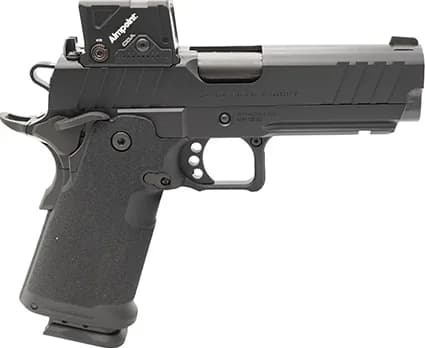
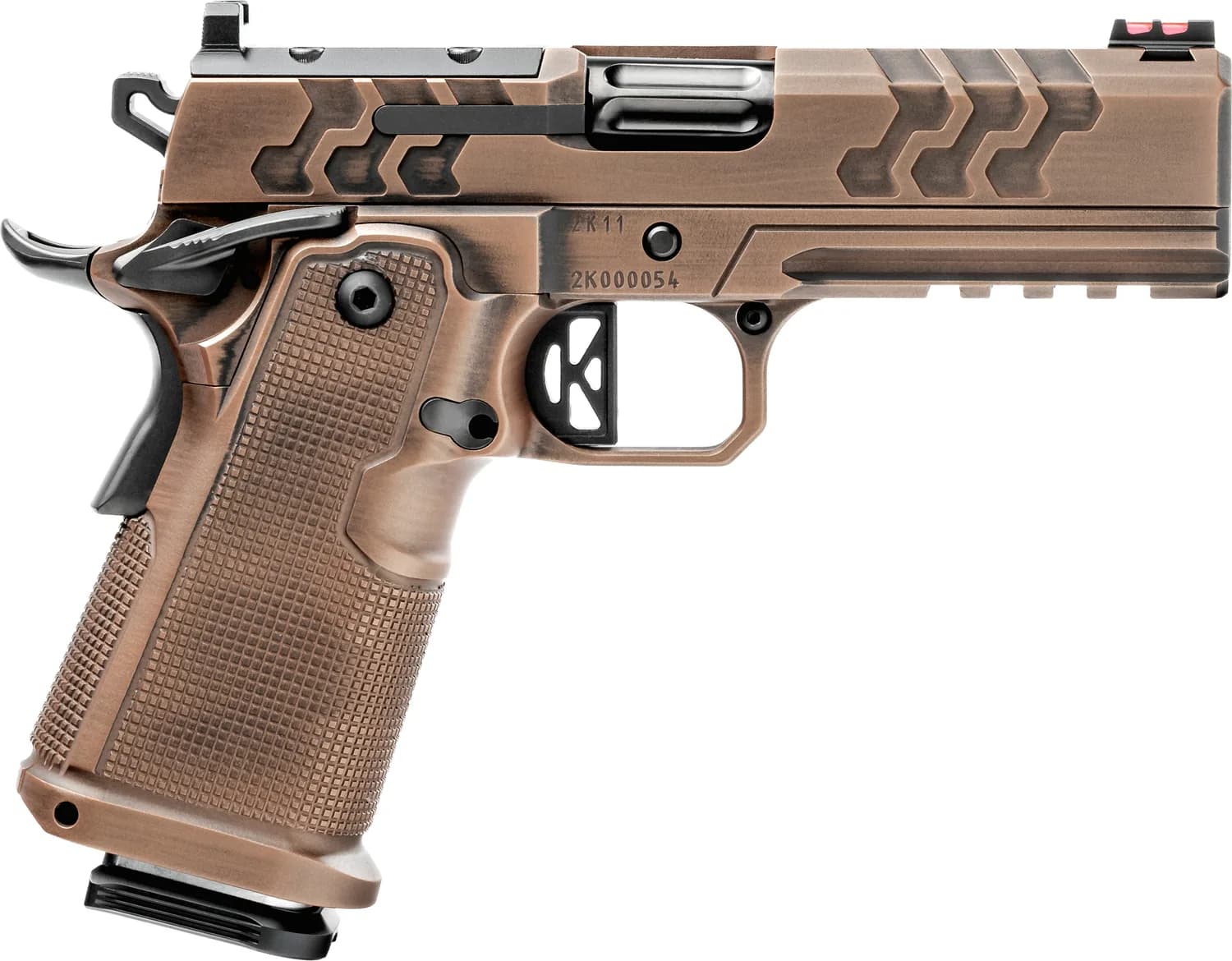
In the current marketplace the eXperior Elite Commander sits squarely in the premium tier of double‑stack 1911/2011‑style pistols. It competes more on fit, finish and Wilson’s custom pedigree than on price. That means it is aimed at buyers who have considered or own Staccato, high‑end Kimber/ Nighthawk offerings, the Springfield Prodigy family, or other premium double‑stack 1911s and want Wilson’s blend of aesthetics and features. Industry analysts note that the double‑stack 1911/2011 segment is one of the most contested in handguns today—Staccato has long set the duty‑grade benchmark, while newer entries and value models have pushed into the market at a range of price points. Wilson’s eXperior Elite Commander differentiates itself by emphasizing Wilson’s traditional approach to fitment, a match‑grade barrel and the company’s direct‑mount optics solution. For buyers who value Wilson Combat’s brand and the single‑action 1911 experience with modern capacity, the eXperior Elite Commander belongs on the shortlist; for those who prioritize the absolute lightest, slimmest concealed‑carry package or the lowest possible entry price, other designs will be more suitable.
For readers evaluating the platform: the eXperior Elite Commander is a contemporary answer to a familiar question—how to preserve the handling and trigger feel of a 1911 while adopting the firepower and practical features modern shooters expect. Early hands‑on reports and manufacturer testing indicate that Wilson has delivered on that promise; longer‑term independent testing will ultimately define how the pistol ranks for reliability and lifecycle value against the other premium entries in the 2011/double‑stack market.
Start with a practical guide if you want a faster way to narrow the field before comparing specific models.
Learn how to choose the right 9mm handgun based on size, budget, and how you plan to use it.
Read guideHome-focused buyersLearn how to choose the right handgun for home defense based on safety, ease of use, and practical everyday considerations.
Read guideComparison-focused shoppersA practical guide to comparing handguns the right way: what actually matters, what to ignore, and how to use comparison tools effectively.
Read guide